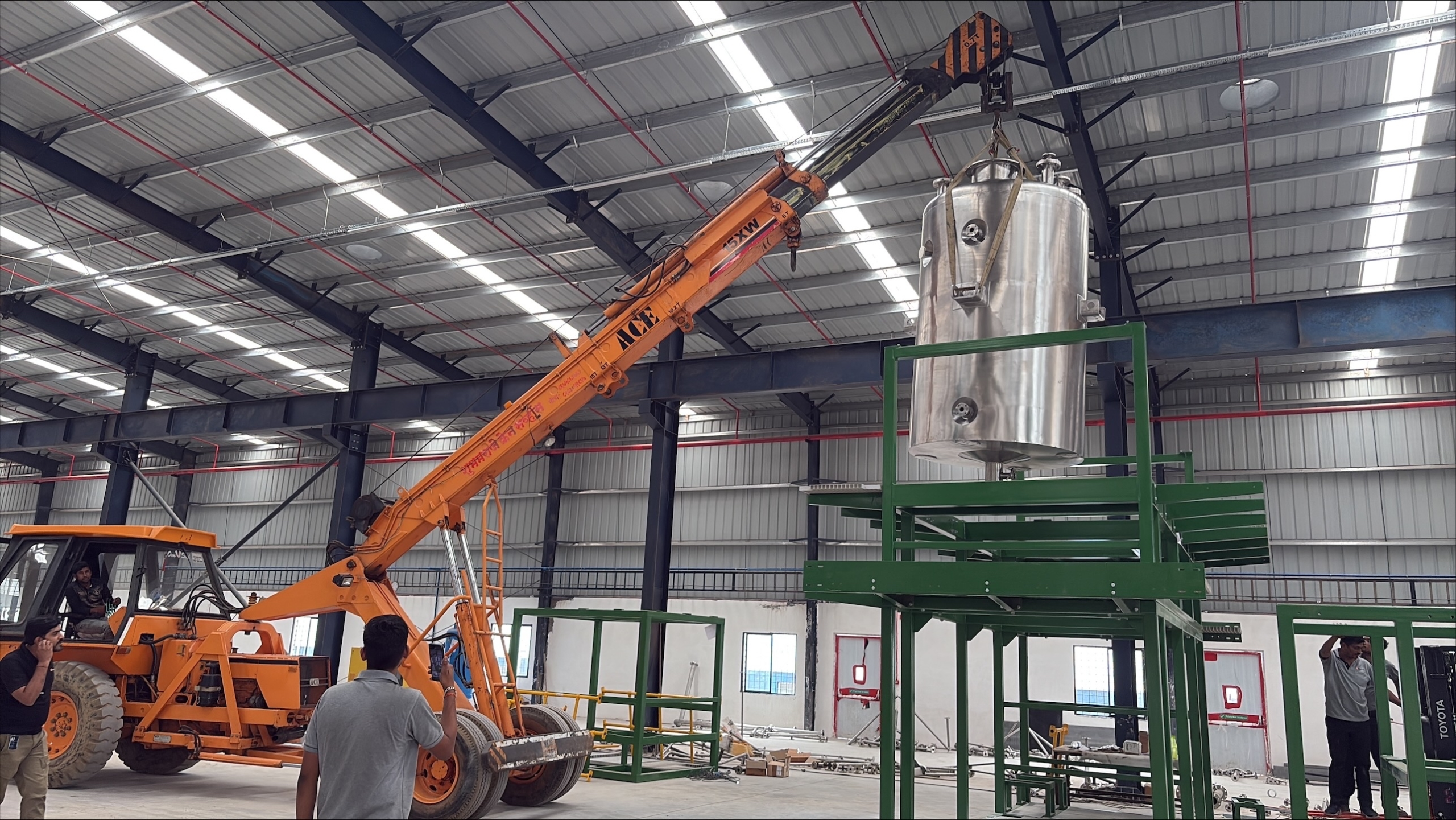
Epoch Biodesign is establishing a nylon 6,6 biorecycling demonstration plant at Grapht Works in North Acton, London, with operations due to begin in the third quarter of 2026. The facility is intended to process hundreds of tonnes of post-consumer nylon 6,6 waste each year, marking a significant step in the company’s effort to move enzymatic textile recycling from pilot scale into commercial industrial use.
The plant will target waste streams from apparel, automotive, military, and industrial applications, including technically difficult inputs such as coated fabrics, blended textiles, and post-consumer garments. Epoch says its AI-engineered enzymes break nylon 6,6 down into virgin-quality monomers at low temperatures, creating feedstock that can re-enter the material supply chain without the performance compromises often associated with downcycling. If the process proves robust at demonstration scale, it would offer manufacturers a route to recover one of the more challenging engineering textiles in circulation.
The London location is notable in its own right. Grapht Works, Imperial College London’s new advanced manufacturing hub, is being positioned as a pilot and demonstration site for cleaner industrial processes that do not require the footprint, energy intensity, or siting assumptions associated with conventional heavy chemical infrastructure. Epoch is making the case that biological recycling can operate closer to urban manufacturing and consumption centres, which would alter the economics and logistics of textile waste handling as much as the chemistry itself.
The timing also aligns with tightening regulatory pressure in Europe. From July 2026, new requirements under the Ecodesign for Sustainable Products Regulation will ban the destruction of unsold garments, increasing the need for credible end-of-life routes for textiles that cannot simply be reused or exported. Nylon 6,6 has long sat at the harder end of that challenge. A demonstration plant capable of handling mixed post-consumer streams at meaningful volume would give brands, manufacturers, and recyclers a clearer view of whether circular nylon recovery can be built into mainstream industrial practice rather than remaining a niche technical claim.