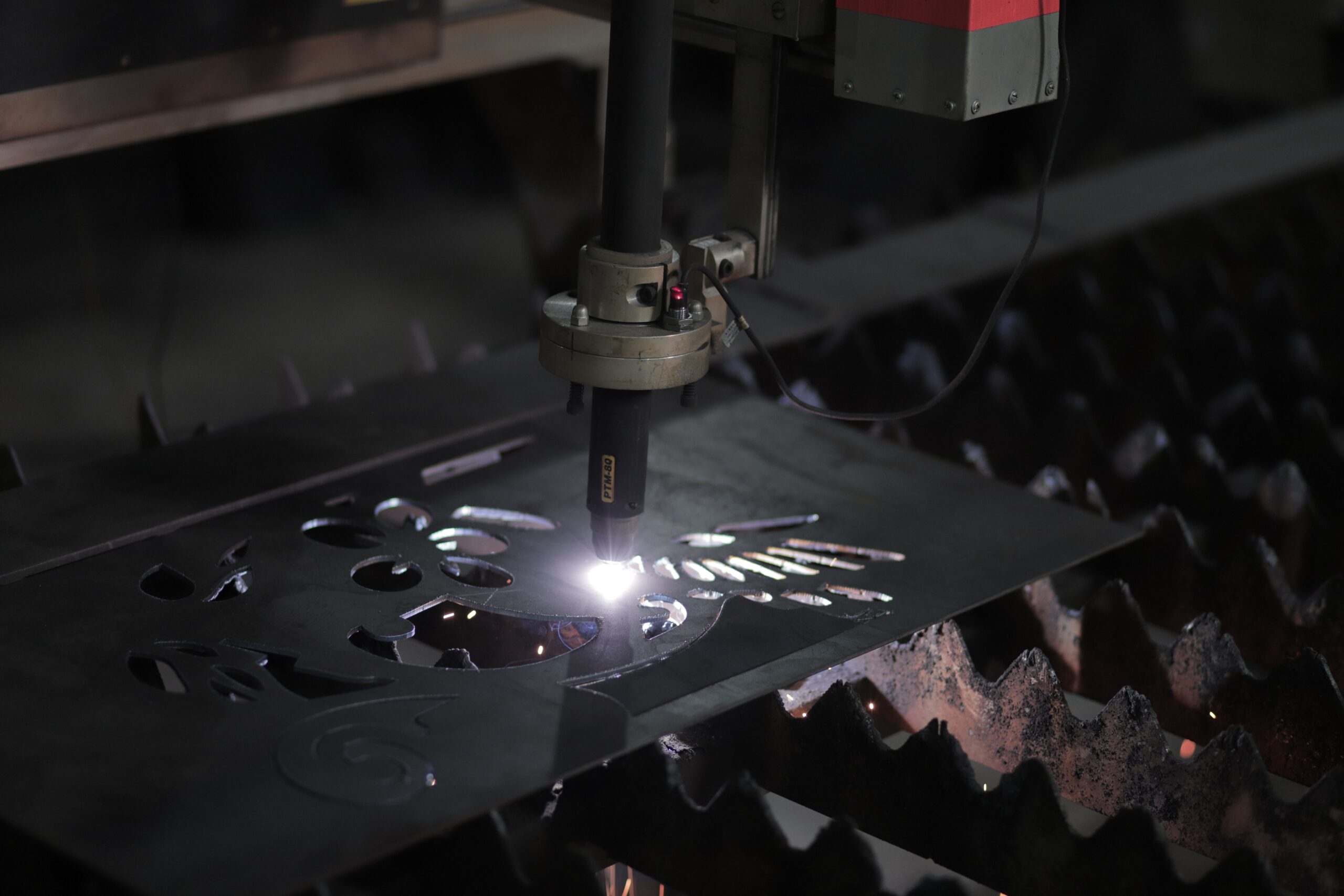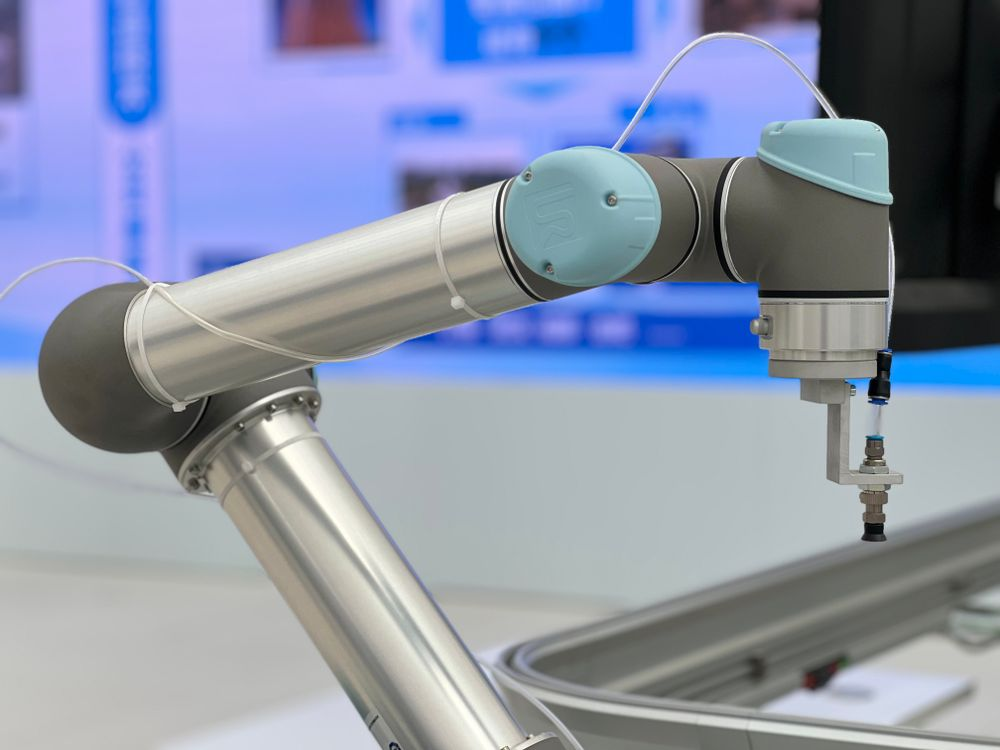
Element Materials Technology has commissioned an automated specimen machining cell at its Lancaster materials testing laboratory, combining two Mazak CNC machines with RoboJob robotic handling and Pryor marking equipment. The installation is designed to prepare samples for subsequent materials tests through day and night, including periods without continuous operator attendance. Element has identified shorter specimen preparation times as an aim of the investment but has not released a quantified output or throughput figure.
The equipment comprises a Mazak CV500 five-axis machining centre and an Integrex 200HST, which combines turning and milling functions. Five-axis milling allows cutting operations to be carried out at different orientations to a workpiece, while a mill-turn machine can perform operations requiring both a rotating part and rotating cutting tools. Together, they provide differing machining capabilities for the geometries required in laboratory test specimens.
RoboJob automation handles parts within the programmed machining sequence, reducing the need to load each component manually during a run. Fixtures, cutting programmes and any tool changes still have to suit the material and specimen being prepared. The robotic handling arrangement enables the unattended periods described by Element; a stated capability for 24/7 operation is not equivalent to a measured machine utilisation rate.
Before mechanical testing can begin, material received by the laboratory may need to be machined into standardised specimens. Tensile, fatigue and other tests can require specified dimensions, orientation and surface finish, with preparation and inspection carried out to the applicable test method. Element says expert checks remain part of the process even where the machining and handling steps are automated.
Pryor marking equipment provides a means of identifying individual specimens before they move into testing. Where programmes involve different material batches or test conditions, each result must remain traceable to the sample from which it was obtained. Element also refers to digital traceability, although the detailed link between the marking equipment and its laboratory record systems has not been published.
The cell is intended to accommodate both specialist batches and larger specimen preparation programmes. Khadar Basha Abdul, technology programme manager at Lancaster, has described overnight machining as allowing specimens to be prepared and testing to start within hours rather than days, while retaining expert checks. That is the company’s account of the workflow rather than a published before-and-after turnaround study.
Craig McKenzie, general manager for Element’s Lancaster, Sheffield and Teesside laboratories, has connected the installation with the time between receiving materials and beginning tests. The Lancaster laboratory operates under ISO/IEC 17025 and Nadcap accreditations and holds approvals from aerospace manufacturers including Airbus, Rolls-Royce, Pratt & Whitney, Boeing, MTU, Safran and BAE Systems. The CNC cell provides an additional preparation route for the laboratory’s existing testing work, with its two machining platforms, robotic handling and marking equipment forming the disclosed installation.