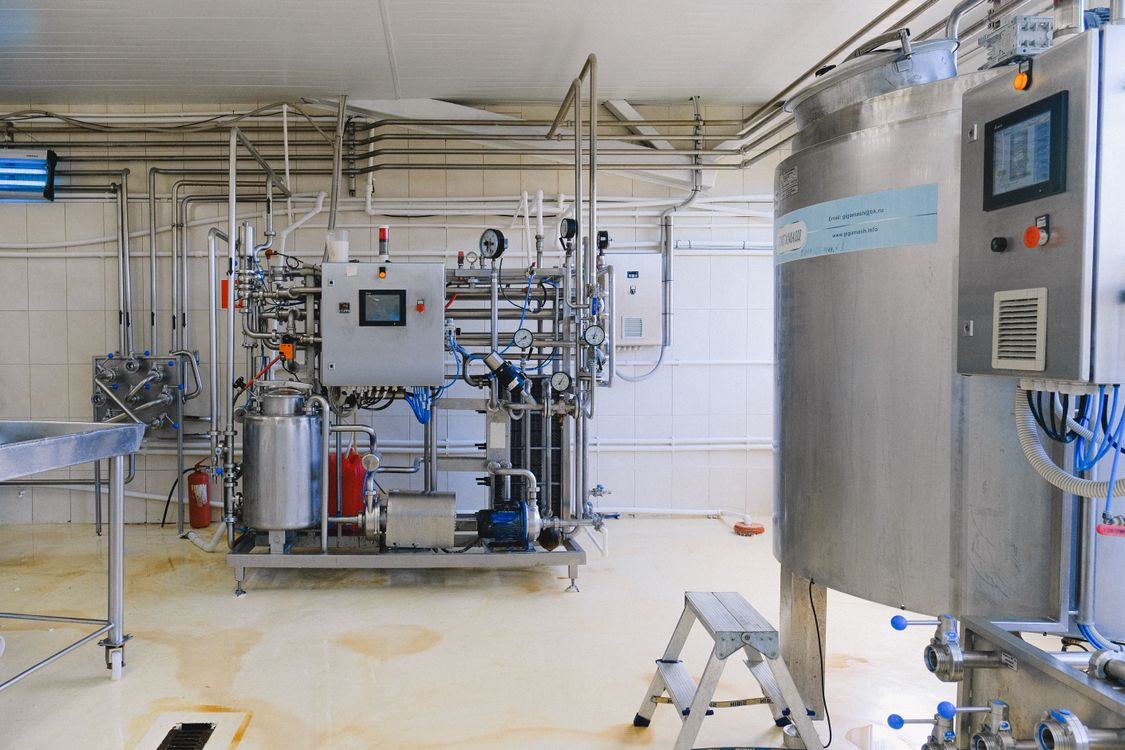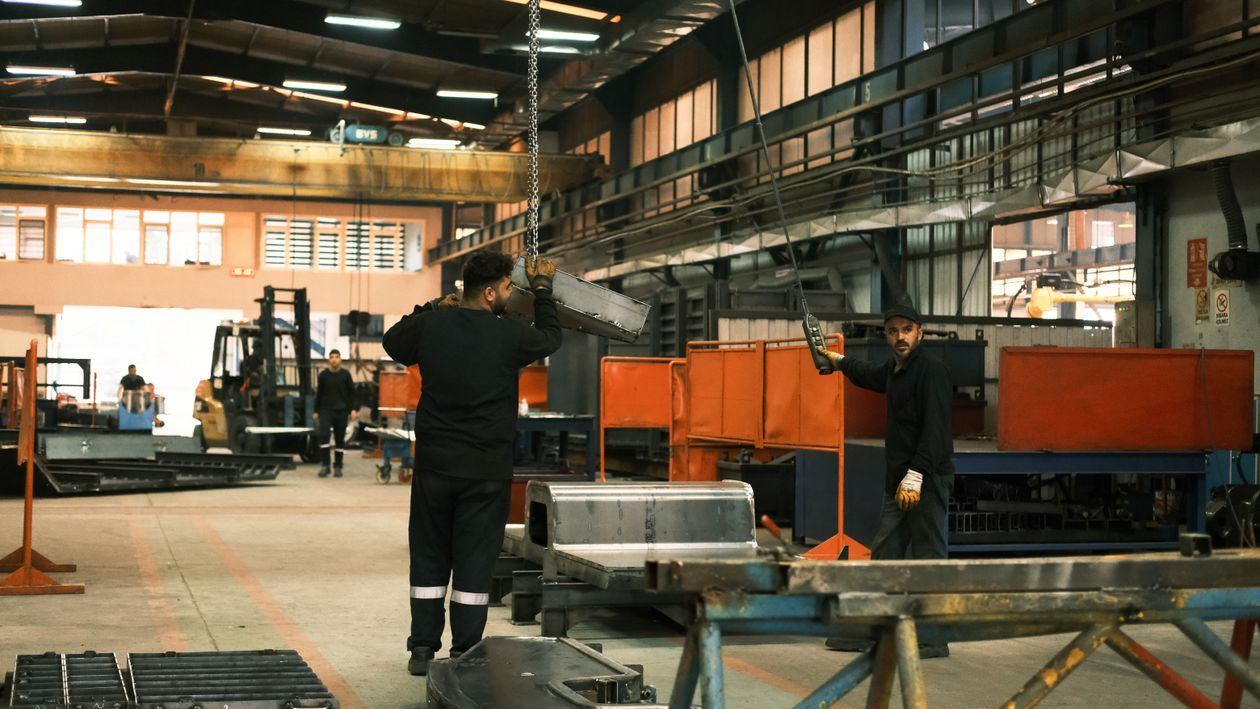
The INFINITY advanced manufacturing initiative has opened the £1.5 million Infinity Prototype Centre at Infinity Park in Derby, providing new workspace and teaching facilities for companies, researchers and engineering trainees.
The centre occupies a redeveloped building previously used by the Nuclear Advanced Manufacturing Research Centre. The East Midlands Combined County Authority provided the investment, working with the University of Derby, Derby City Council and INFINITY to establish the facility within the East Midlands Investment Zone.
Its immediate purpose is to bring together industrial organisations involved in the nuclear supply chain and other advanced manufacturing activities. The centre provides accommodation for collaborative work and technical training; larger manufacturing installations envisaged elsewhere at Infinity Park remain part of a separate development programme.
INFINITY is planning a 200-acre technology development at the site, intended to support research, prototyping, testing and eventually the manufacture of large, complex components for nuclear fission, fusion, aerospace and defence. The prototype centre establishes an early operating location for that ambition rather than marking completion of the wider industrial campus.
Derby’s engineering base includes businesses involved in aerospace, rail and nuclear technologies, all of which depend on specialist manufacturing capabilities and skilled technical labour. The new accommodation is intended to connect industrial demand with researchers and smaller suppliers that may lack the resources to undertake development work independently.
Professor Gary Jones, chief executive officer of INFINITY, described the opening as “an important early step in developing the future technologies, manufacturing capability and skills required by UK industry”.
The University of Derby already maintains a presence at Infinity Park through the Nuclear Skills Academy. Its involvement in the new centre provides an opportunity to bring training activity into closer contact with companies developing or assessing manufacturing processes, without assuming that all specialist equipment planned for the wider site is already installed.
Industrial prototyping involves more than producing the first physical example of a component. A design must be assessed for repeatability, dimensional control, material behaviour and the inspection methods needed to demonstrate that it meets the intended requirements.
Large components for nuclear or aerospace programmes present particular challenges. Material properties must remain suitable throughout the part, and manufacturing processes may have to accommodate complex shapes, thick sections and stringent requirements for defects or dimensional variation. These constraints can determine whether a design can move economically from laboratory development to production.
Testing and validation are therefore closely connected to the manufacturing route. Inspection methods need to establish the properties of the finished part, while records of the material, processing conditions and any subsequent treatment support traceability and technical assurance.
The wider INFINITY programme includes proposed capabilities in additive manufacturing, specialist joining and hot isostatic pressing. Additive processes build components from deposited material, potentially supporting geometries that would be difficult to machine from a single billet. Their suitability depends on the material, component size, production rate and required post-processing.
Hot isostatic pressing uses elevated temperature and gas pressure to consolidate material or reduce certain internal defects. It can be applied to some castings and additively manufactured components, although the process does not replace the need for an appropriate starting material, correct component design and subsequent verification.
Specialist joining methods, including power beam welding, may support the fabrication of large or intricate structures. Their use requires control of joint preparation, heat input and inspection, particularly where the joint is expected to operate under demanding thermal or mechanical conditions.
These technologies are part of the development ambition for Infinity Park. The newly opened centre’s confirmed facilities consist of redeveloped workspace and teaching accommodation, and no commissioning date has been announced for the full proposed manufacturing equipment programme.
INFINITY has separately formed a partnership with UK Fusion Energy to explore capabilities required for STEP, the proposed prototype fusion plant at West Burton in Nottinghamshire. The collaboration is intended to inform future manufacturing, inspection and validation capacity for large, high-integrity components.
STEP is a long-term engineering programme, and its future production needs will be shaped by design development, qualification and procurement decisions. The partnership does not mean that components for the plant are already being manufactured at the new Derby centre.
The Manufacturing Technology Centre is also involved in the broader development. Its chief executive, Dr Graham Hoare, has highlighted the opportunity to bring complex-component development, validation and manufacturing capacity together with specialist skills and supplier participation.
Access to shared expertise and development facilities can help smaller manufacturers undertake trials before committing to dedicated equipment. The effectiveness of that approach depends on whether projects can progress from a promising prototype to a verified process suitable for the customer’s planned volumes.
The £1.5 million investment has brought the first dedicated accommodation into use, but the number of jobs and additional industrial projects that will follow has not been quantified in the opening announcement. Nor has a construction timetable been provided for the entire 200-acre proposal.
The centre now offers a base for industrial and academic collaboration at Infinity Park. Further expansion will depend on the financing, equipment decisions, project partnerships and technical milestones required to establish the larger manufacturing capability envisaged for the site.