Baltimore Aircoil Company has started construction of a $150 million manufacturing and engineering facility in Malaysia as demand grows for cooling equipment serving data centres, industrial plants, and commercial infrastructure across Asia-Pacific.
The ten-year investment is being developed on an 18.2-acre site at Nilai in Negeri Sembilan. BAC plans to build the project in two phases, combining regional production with engineering, product development, testing, and research capability.
The first phase is scheduled for completion by the end of 2027. It will include a 30,000-square-metre manufacturing building and a regional engineering and manufacturing office.
A second phase will add a research and development centre and further manufacturing technology. The core production facility is expected to be completed by 2030, with continued investment in automation and advanced manufacturing planned through 2035.
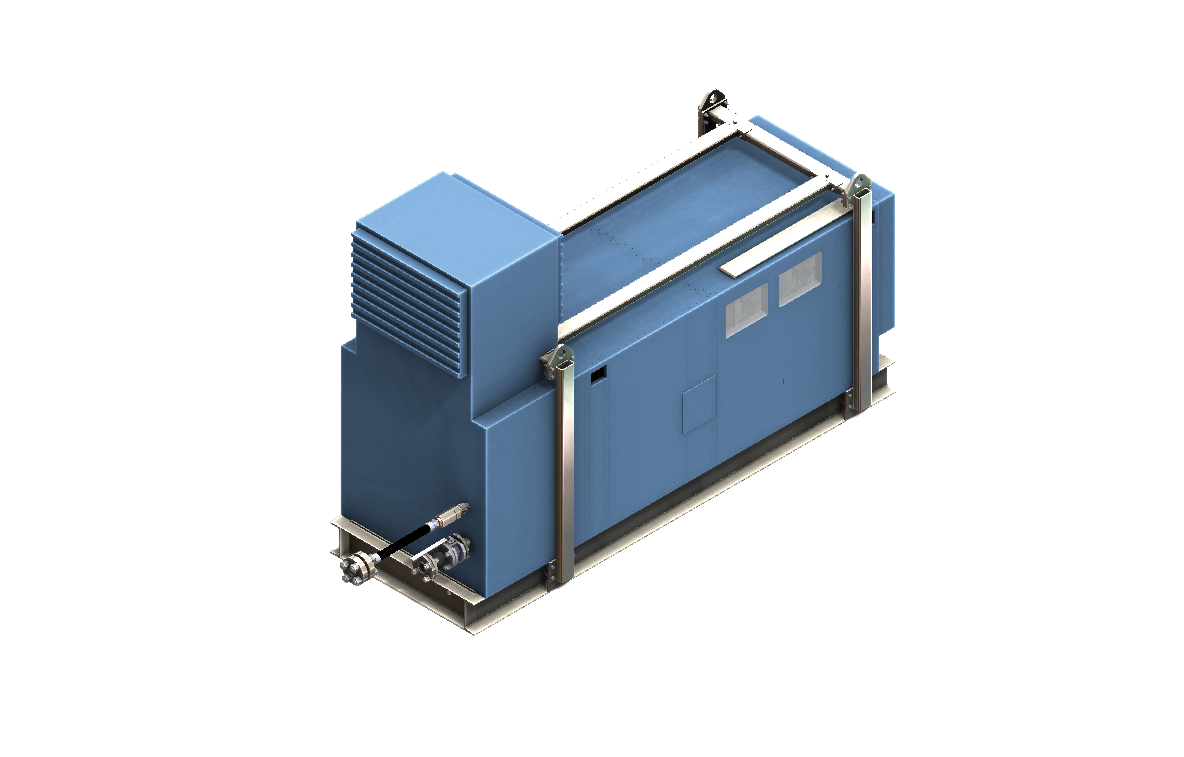
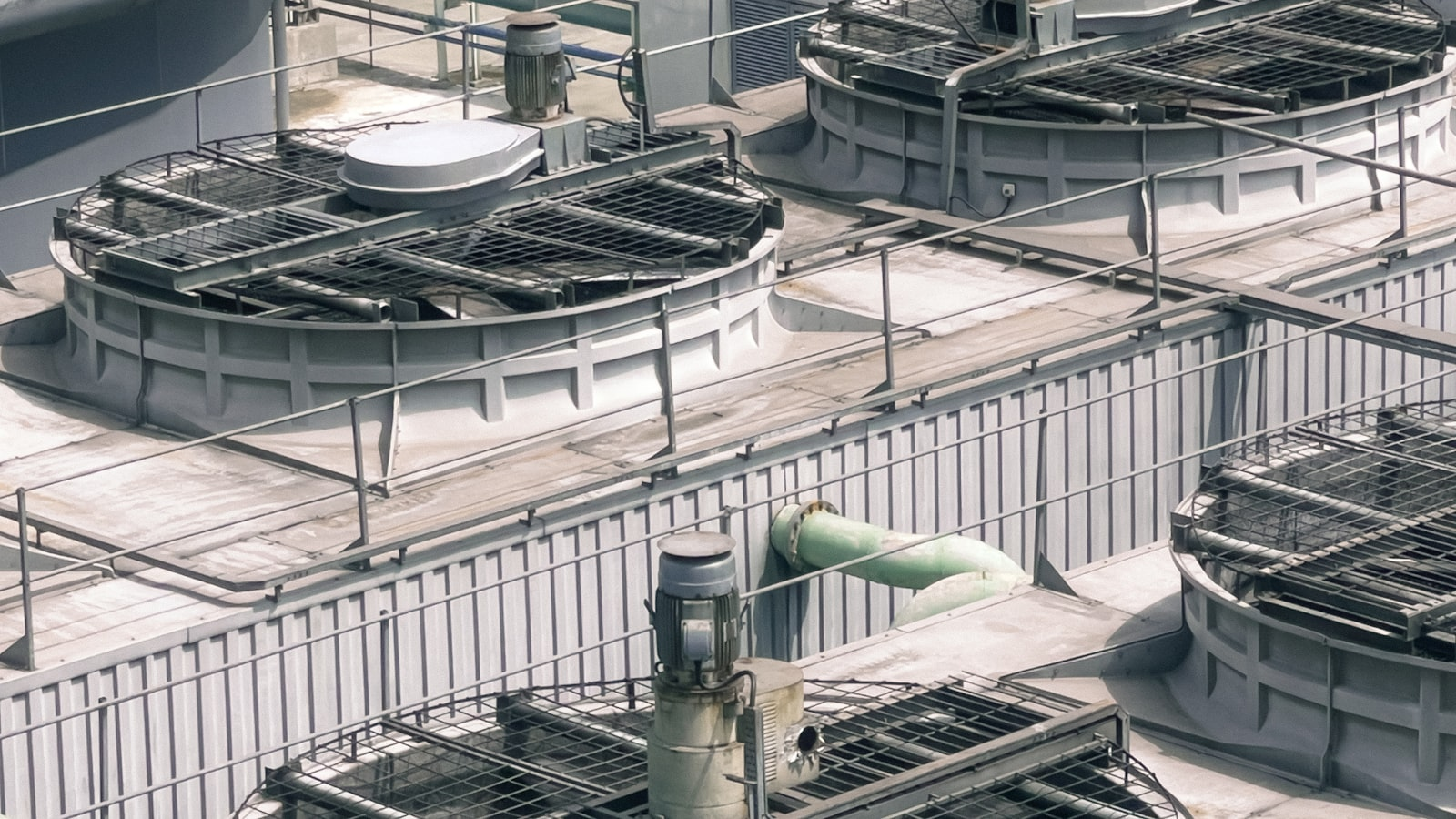
The plant will manufacture closed circuit cooling towers, adiabatic coolers, hybrid cooling systems, and liquid cooling equipment. These products remove heat from industrial processes, buildings, power systems, and digital infrastructure using different combinations of air, water, heat exchangers, and evaporative processes.
Cooling has become a more prominent industrial constraint as electrical and computing loads increase. Data centres, in particular, concentrate large quantities of heat within comparatively small areas and require cooling systems capable of maintaining stable conditions throughout changes in workload and ambient temperature.
High density computing is also altering equipment requirements. Conventional air based approaches remain important, but liquid cooling is being adopted for installations where heat loads exceed the practical limits of standard room or cabinet cooling.
BAC’s decision to manufacture liquid cooling systems alongside established cooling tower and adiabatic products indicates that the facility is intended to serve both traditional infrastructure and emerging high density applications.
The Malaysian operation will include a climate controlled product development and testing facility. Local engineers will use the laboratory to develop and validate systems for tropical climates and other demanding operating conditions.
Testing equipment close to the target market can reduce the gap between nominal product performance and the conditions encountered at customer sites. Temperature, humidity, water quality, equipment loading, and maintenance practices can all affect the output and efficiency of cooling systems.
Tropical environments create particular challenges because high ambient temperatures and humidity can limit heat rejection and alter the performance of evaporative or adiabatic processes. Product validation must therefore consider operating conditions rather than relying solely on standard laboratory ratings.
The facility is also intended to shorten regional lead times. Large cooling systems can be costly and complicated to transport, while final configurations may vary according to capacity, materials, noise requirements, water conditions, and site layout.
Manufacturing closer to Asian customers should allow BAC to reduce transport distances, collaborate more closely during project design, and respond faster to changes in specification. It could also reduce the amount of finished equipment held in transit or stored while construction programmes progress.
Regional production does not eliminate supply chain exposure. Cooling equipment depends on fabricated steel, heat exchanger components, motors, fans, drives, pumps, controls, coatings, and water management equipment sourced from multiple suppliers.
BAC plans to use the investment to strengthen links with Malaysian small and medium sized companies. Local supplier development will depend on whether those businesses can meet technical, quality, delivery, and documentation requirements consistently enough to enter the manufacturer’s production system.
The project is expected to create up to 200 skilled roles by 2035, including engineering and professional positions. BAC also plans university partnerships and internship programmes intended to support local recruitment.
The relatively modest employment figure compared with the size of the investment reflects the planned use of automation and advanced manufacturing. A plant producing configured industrial systems requires fabrication, assembly, testing, engineering, quality, and logistics capability, but capital equipment limits the number of repetitive production roles.
The development is targeting LEED Gold and FM Approved standards. LEED assesses aspects of building sustainability, while FM approvals generally relate to tested products, materials, and systems used in risk sensitive industrial and commercial environments.
Meeting those targets will require the project to address both the building and the equipment installed within it. Energy use, water management, fire protection, materials, internal environmental conditions, and operational controls will form part of the facility’s performance.
Malaysia has attracted investment from electronics, data centre, electrical equipment, and advanced manufacturing businesses. The cooling project sits within that wider expansion because many of those facilities require substantial heat rejection and environmental control infrastructure.
Local cooling capacity may consequently support sectors beyond BAC’s direct operations. Manufacturers, contractors, and engineering companies involved in data centre and industrial projects will gain access to a regional source of equipment, testing, and technical support.
The investment also reflects a change in how manufacturers approach Asia-Pacific. Serving the region solely through exports is becoming less attractive where customers expect shorter delivery schedules, local engineering support, and equipment adapted to regional climate and regulatory requirements.
Phase 1 completion in 2027 will be the first major delivery test. Constructing the building is only part of the programme; BAC must install production equipment, establish suppliers, recruit and train employees, qualify processes, and demonstrate that locally manufactured systems meet existing product standards.
The longer timetable to 2035 gives the company room to expand as demand develops, but it also leaves the project exposed to changing technology and infrastructure cycles. Data centre cooling, in particular, is evolving quickly as computing density increases.
BAC is therefore building more than additional manufacturing capacity. The Nilai project combines regional production with the engineering and test capability needed to modify that capacity as cooling technology changes — a useful precaution when today’s advanced system can become tomorrow’s undersized plant utility.