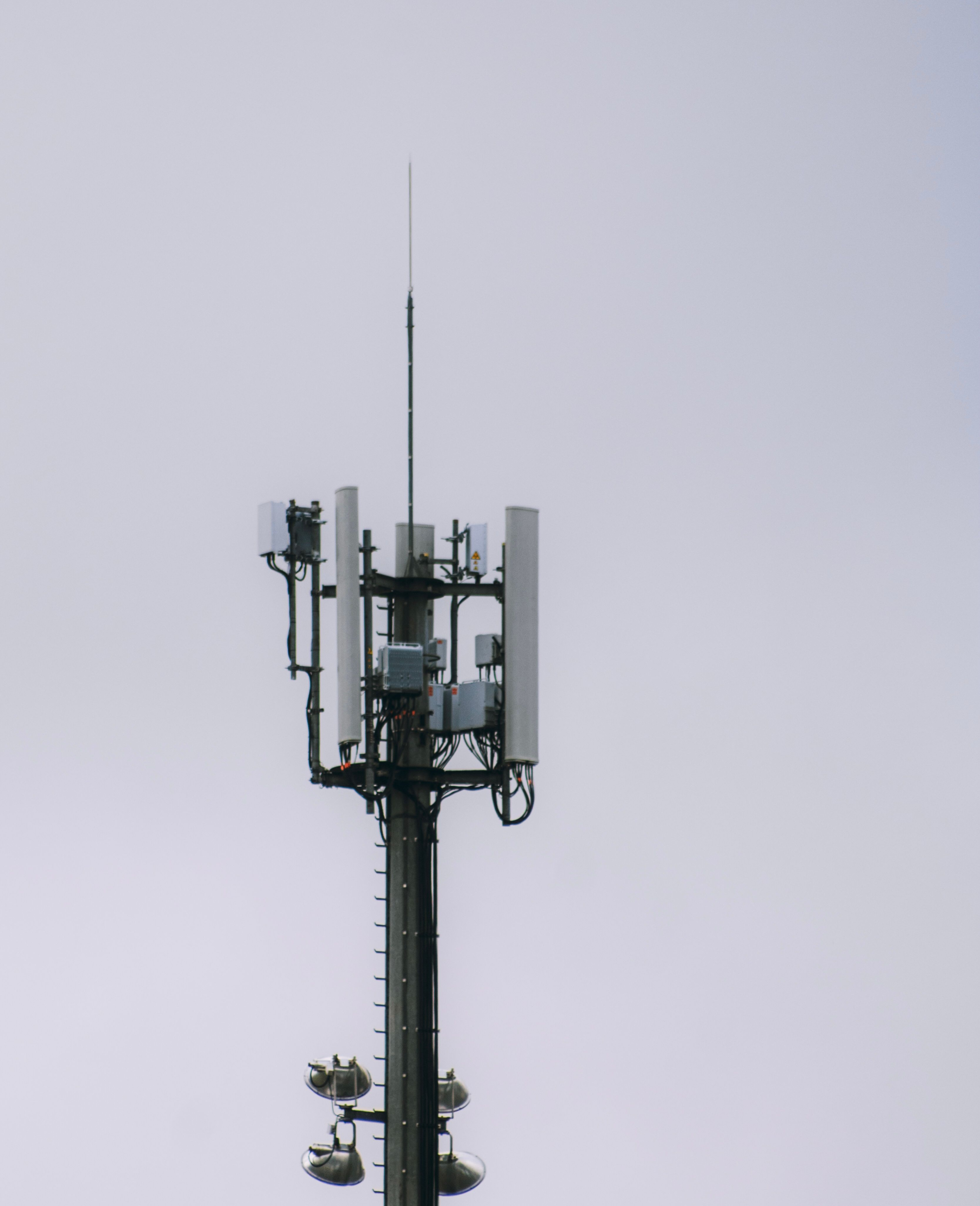
Askey has introduced the SCU5050 outdoor small cell for private 5G networks, using a four-transmit, four-receive MIMO radio arrangement to extend dedicated wireless coverage at industrial and enterprise sites. The 5G base station targets manufacturing plants, warehouses, logistics facilities and campuses that require controlled connectivity for mobile equipment and connected devices.
The SCU5050 supports 3GPP Release 16, standalone 5G operation and time division duplex transmission. Askey lists regional configurations for n48, n77, n78 and n79 frequency bands, with external antennas and transmission power up to 5W per port. Installations must use the variant permitted for the intended country and the spectrum available to the network operator.
Four-by-four multiple-input, multiple-output operation provides several radio paths for transmission and reception. Where compatible devices, radio conditions and channel resources permit, spatial layers can improve spectral efficiency and the amount of traffic handled by a cell. Metal structures, surrounding radio transmissions and the number of connected devices will affect the achievable improvement.
Factories and logistics sites often require coverage across yards, gates and loading areas as well as indoor working spaces. Buildings, storage racks and mobile metal equipment alter how radio waves propagate, so an outdoor cell may need to be combined with other access points or radio units. Coverage and handover should be verified through a survey of the full operating area. Network designers also need to identify which corridors and loading bays have simultaneous users, as those locations may need additional cell capacity even when the signal remains detectable.
Askey’s technical information gives a line-of-sight coverage planning range of roughly 500 metres to one kilometre, subject to frequency, antenna gain and installation conditions. Actual service distance inside a dense industrial site will depend on obstructions, antenna placement and the signal quality each application needs. Plant operators will have to assess coverage alongside the capacity required at busy work areas.
The radio has external antenna connections and an IP65-rated enclosure for exposed installation, with a published operating temperature range from −30°C to 55°C. Wall or pole mounting provides options for positioning the unit near the coverage area. Power, surge protection, earthing, cabling and maintenance access remain part of the site installation design.
Its backhaul options include 10Gbps Ethernet WAN and 10Gbps SFP+ connections linking the cell to the rest of the network. Those are wired interface ratings; individual wireless devices share the cell’s available radio resources. Traffic engineering also has to account for signalling, uplink requirements and any external connectivity used by site applications.
Private 5G allows an organisation to plan coverage, subscriber access and traffic handling for its own operating environment. The SCU5050 forms the radio access element of that arrangement, alongside a compatible core network, device identities and operational security policies. End-to-end resilience depends on all those elements and how the service is managed.
Askey supplies a local web configuration interface and its Device Management Platform for provisioning, alarms, performance data and software maintenance. Management can be deployed through cloud or on-premises options, allowing system integrators to align operational access and monitoring with the site’s security arrangements. Site maintenance procedures should also govern firmware updates, fault escalation and recovery so changes to radio settings do not interrupt production traffic unexpectedly.
The same plant might run mobile inventory terminals, industrial cameras and autonomous materials-handling equipment over its private network. Video applications demand sustained bandwidth, while moving machinery needs dependable coverage and handover between cells. The radio plan must reflect those distinct traffic patterns as well as any safety-related control restrictions imposed on the equipment.
Standalone 5G architecture enables the cell to operate with a suitably configured 5G core without relying on a 4G radio anchor. Device compatibility, subscriber provisioning and fallback planning remain necessary, especially where interruption could halt material handling or lose inspection records.
The product information specifies power consumption below 200W and supplies throughput examples under different downlink/uplink transmission patterns. These figures are equipment and configuration specifications, with application throughput affected by channel bandwidth, interference, traffic loading and the capabilities of connected devices. Measurements taken during commissioning will be needed to establish realistic uplink and downlink performance under the expected device load.
Askey says the SCU5050 is immediately available, although its product page marks certification for certain regional variants as pending. Frequency rights, approval status and equipment selection must therefore be confirmed for each intended deployment. The wider network design will determine whether the new radio delivers the coverage and service quality needed by the plant.