Amentum is preparing to begin NASA Langley’s Center Maintenance, Operations, and Engineering II programme, a contract valued at approximately $974m covering research facilities, utilities, maintenance, and specialist engineering support.
CMOE II is due to enter its main performance period on 1 October 2026 and run through September 2036. The ten-year structure combines core services with task-order mechanisms, allowing NASA to maintain day-to-day technical operations while adding individual engineering and construction requirements as research priorities change.
The scope covers institutional facilities as well as highly specialised research infrastructure. Amentum identifies wind tunnels, laboratories, test stands, central utilities, instrumentation, controls, data systems, facility automation, design engineering, construction management, configuration management, and pressure-system recertification among the areas supported by the contract.
That combination makes the work substantially broader than conventional building maintenance. A research wind tunnel, for example, depends on drive machinery, airflow systems, instrumentation, pressure and temperature measurement, electrical equipment, control software, structural systems, test fixtures, and data acquisition operating within closely defined tolerances.
A breakdown in a supporting system can therefore invalidate an aerospace test even when the main research hardware remains physically intact. Reliability of compressed air, electrical power, cooling, sensors, controls, or calibration services can determine whether a scheduled programme runs as planned.
The same applies to laboratories and test stands. Research infrastructure often remains scientifically useful for decades, but the electrical, electronic, mechanical, and software systems supporting it can become obsolete several times during the life of the underlying facility.
Engineering support consequently involves both preservation and modernisation. Teams have to keep established assets available while replacing controls, upgrading instrumentation, modifying utilities, changing test configurations, and adapting facilities for research programmes that may not have existed when the original infrastructure was built.
Pressure-system recertification is one example of the specialist work included in CMOE II. NASA facilities use compressed gases, vacuum equipment, hydraulic systems, pressure vessels, and process piping that require documented inspection and engineering assessment throughout their operating lives.
Those systems cannot be treated as ordinary building services because failure can affect both personnel safety and research hardware. Modifications also need to retain configuration records so that future engineers understand exactly which equipment, materials, limits, and approvals apply to a particular installation.
Central utilities create a similar industrial problem at campus scale. Steam, compressed air, electrical distribution, potable water, and other services have to support routine buildings and mission-critical research equipment whose demand can be unusually large or highly variable.
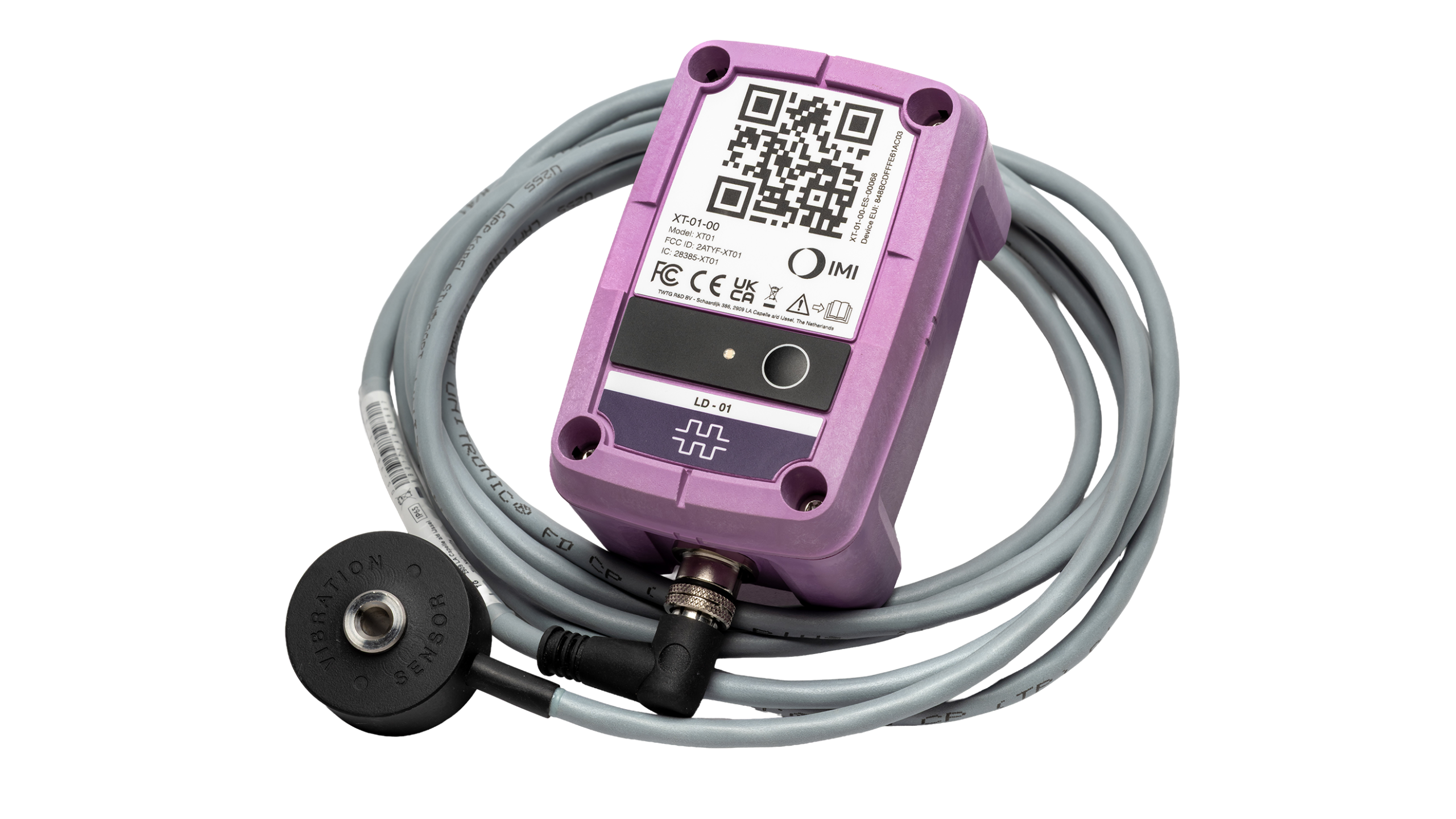
Amentum’s published CMOE II material also emphasises condition-based and reliability-centred maintenance. The aim is to identify deterioration before equipment fails rather than depending only on fixed intervals or reactive repairs, an approach widely used in process plants and other asset-intensive industries.
At a research centre, the economic value of that approach extends beyond the replacement cost of a failed motor or sensor. A delayed test may involve aircraft models, experimental hardware, researchers, technicians, programme schedules, and other resources that have been assembled for a limited operating window.
Digital systems increasingly sit behind that maintenance strategy. Facility automation, data acquisition, asset information, work-order systems, and condition-monitoring data allow maintenance teams to compare equipment behaviour over time and prioritise intervention where changing measurements indicate developing problems.
CMOE II was awarded following full and open competition. Federal award records list Amentum Technology under contract number 80LARC24DA009 with a reported value of $973.78m, combining cost-plus-award-fee core work with fixed-price and other task-order structures.
The award itself dates to 28 April 2026, with the notice posted in May. The current industrial milestone is therefore the move towards the October start of the main ten-year programme rather than a new August contract award.
A short extension to the preceding CMOE arrangement has been used to maintain service through the transition. That bridge reflects the difficulty of changing responsibility at a research centre where utilities, facility maintenance, safety systems, and technical operations cannot be paused while a new contractual structure beds in.
NASA Langley’s work spans aeronautics, aerospace structures, atmospheric research, and space exploration, giving the supporting infrastructure a wide range of operating requirements. CMOE II has to serve all of those activities without turning each laboratory or test asset into a completely independent facilities system.
The ten-year horizon gives Amentum time to standardise maintenance and engineering processes, but it also guarantees that the programme will encounter technology and research requirements that are not yet known. The contract’s real challenge is therefore to keep old assets dependable while modifying them for future work without interrupting the research they already support.