AM Green has secured a ten-year agreement worth at least €585 million to supply renewable ammonia to Germany after winning the Asian lot in a H2Global auction operated by Hintco.
Hintco, the trading subsidiary used by the H2Global mechanism, will purchase Renewable Fuels of Non-Biological Origin compliant ammonia from AM Green. Additional quoted volumes may be bought using proceeds generated when the product is resold into the European market, while full auction results are due after the remaining regional tenders conclude.
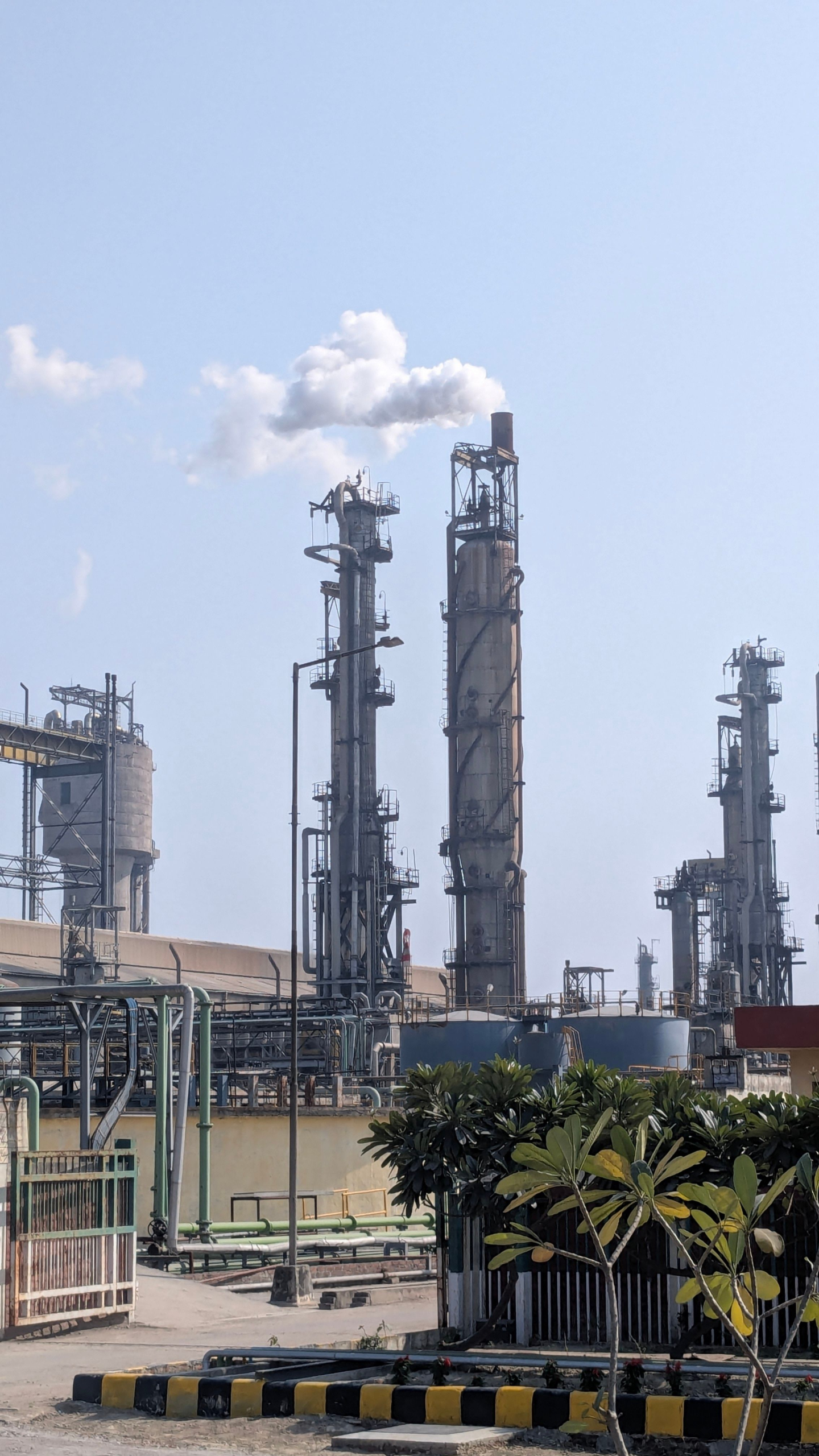
Production is planned at AM Green’s Kakinada Phase 2 project in Andhra Pradesh, where an existing natural gas based ammonia and urea complex is being converted for renewable ammonia production. The new process will use alkaline electrolysis supplied through a round-the-clock renewable electricity architecture backed by pumped hydro storage.
First deliveries to Germany are expected in 2029. The production site sits directly beside Kakinada Seaports, giving the project access to the export infrastructure required to move ammonia from India’s east coast into European markets.
The industrial significance lies as much in the contract structure as in the chemistry. Renewable hydrogen and ammonia projects require substantial capital spending before customers consume material at scale, while potential buyers are often reluctant to accept long contracts at prices that may change as technology, electricity supply, and production volumes develop.
That creates a familiar financing problem. Developers need committed demand before lenders will support a plant, but buyers want confidence on price and supply before making long commitments. H2Global is designed to bridge that gap through an intermediary that signs longer-term purchase agreements with producers and subsequently resells the product through shorter-term demand auctions.
Public funding can cover the difference between the purchase and resale prices, allowing early production capacity to secure a bankable revenue route while the market develops. The model does not remove project risk, but it changes the commercial basis on which developers can approach financiers and equipment suppliers.
For AM Green, the ten-year contract provides a demand anchor around which engineering, conversion work, power supply, and financing can be organised. The detailed economics of the winning bid have not yet been released, so the contract value alone does not establish the eventual production cost or subsidy per tonne.
Using an existing ammonia and urea complex gives the project a different industrial profile from a completely new site. Selected infrastructure, utilities, logistics, land, and operating experience can be reused, while the hydrogen production and electricity system have to be replaced or reconfigured to meet the renewable fuel requirements attached to the contract.
Ammonia is also easier to trade internationally than many proposed hydrogen carriers because a mature production, storage, shipping, and handling system already exists around the fertiliser industry. Renewable production changes the upstream energy source without requiring an entirely new commodity logistics chain.
That does not make the conversion straightforward. Certification, renewable electricity matching, electrolyser operation, nitrogen supply, synthesis performance, storage, and shipping all have to remain aligned with European RFNBO requirements. Any break in that chain can affect whether the delivered product qualifies under the contract.
The Kakinada design also highlights the challenge of operating electrolysers against variable renewable generation while supplying a chemical process that benefits from continuity. AM Green plans to combine renewable generation with pumped hydro storage to provide the round-the-clock electricity profile needed by the plant, effectively creating an industrial power system around the ammonia process.
European demand will depend on where renewable ammonia can justify its additional cost. Existing fertiliser use provides one market, while ammonia is also being considered as an energy carrier and as a potential fuel for difficult to electrify sectors. Each route has different technical, infrastructure, and certification requirements.
Germany’s use of H2Global reflects that early market problem. Waiting for renewable molecules to reach fossil based prices before contracting them risks leaving projects without sufficient demand to reach scale; guaranteeing high prices indefinitely would expose governments and buyers to equally obvious cost problems. Competitive tenders are intended to reveal the price producers are prepared to accept while longer contracts provide enough certainty to finance capacity.
The €585 million minimum award is therefore significant without yet revealing the cost per tonne. By 2029, the more important measure will be physical: whether converted production at Kakinada is operating to specification, renewable power is available at the required profile, and certified ammonia is moving through the adjacent port towards German customers.