Actemium UK has completed an 18-month automation upgrade across two high-capacity frozen food production lines in Britain, replacing ageing controls and connecting equipment from multiple suppliers to improve fault diagnosis and manufacturing performance.
The programme was delivered by Actemium Automation Peterborough for a customer whose identity has not been disclosed. The facility has a reported finished product throughput range of 15 to 25 tonnes per hour, although the supplier has not specified whether that figure applies to each line or to the operation as a whole.
Engineers integrated more than 150 variable speed drives, at least 16 motor control centre sections and more than 40 remote control nodes. Each line also contained equipment from more than six specialist suppliers, requiring the control system to coordinate machinery with different interfaces and operating sequences.
Recurring stoppages had been affecting the manufacturer’s existing operation, while limited diagnostics made it difficult for maintenance staff to establish the initiating fault. Production reporting provided insufficient detail to determine where capacity was being lost or whether a particular part of the process was restricting output.
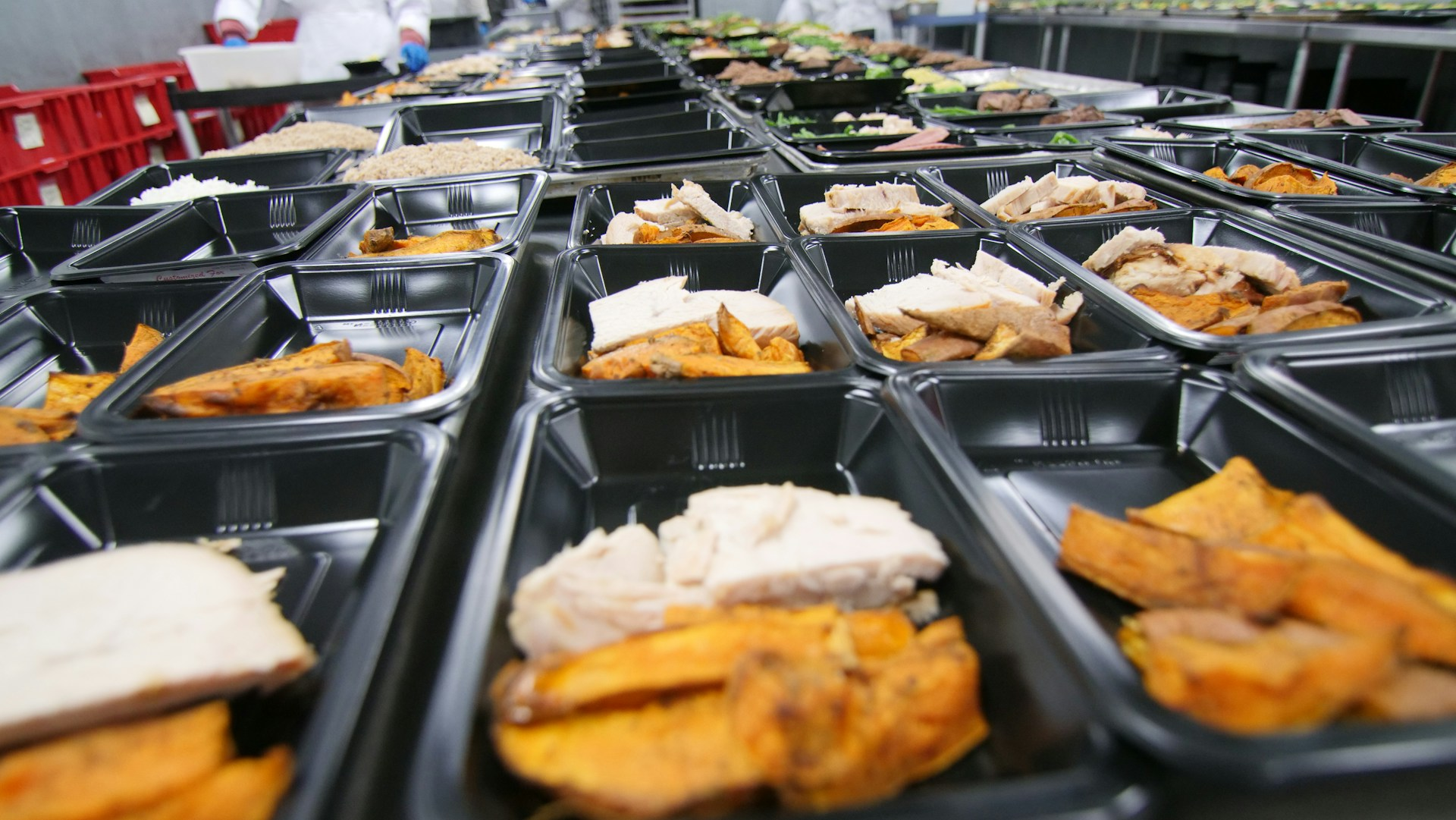
The upgrade extended from raw material reception and washing through preparation, cooking, freezing and packaging, with subsequent connections to palletising and transfer to cold storage. Those stages place different demands on conveyors, processing equipment and handling machinery, so a change in speed or an interruption at one point can affect the movement of product elsewhere.
Actemium developed a coordinated operating strategy for the two lines, linking equipment sequencing, safety interlocks, recipe selection and changeover functions. The intention was to make production stages respond consistently to each other rather than operate as a collection of separate machines with limited information exchange.
Rockwell Automation ControlLogix programmable logic controllers provide the principal process coordination. FactoryTalk View human-machine interfaces present operating information to production staff, while EtherNet/IP links compatible devices and controllers through an industrial network.
The motor control equipment includes Rockwell PowerFlex 525 and ABB variable speed drives. A drive can vary the electrical supply to a motor, allowing conveyors and other equipment to operate at speeds appropriate to the process. Coordinating those speeds helps prevent product accumulating between stages or leaving downstream machinery without sufficient feed.
Distributed input and output equipment brings information from sensors, actuators and machine interfaces into the wider control arrangement. Managed network switches support communication between devices, while suitable network design and maintenance remain necessary to avoid introducing new points of failure.
Food production also depends on repeatable operating conditions. Recipe management and coordinated process sequences can help maintain the settings required for different products, although the quality of the final output still depends on raw material characteristics, the equipment and the manufacturer’s inspection procedures.
During the redesign, engineers examined the existing interfaces and assessed how the new controllers would connect with specialist equipment. The project included electrical design, control panel manufacture, software engineering and the testing needed to bring the separate systems together.
Both lines were upgraded concurrently, increasing the importance of planned shutdowns and installation sequencing. Actemium manufactured control panels in-house and conducted factory acceptance tests on the panels, software and interfaces before equipment was installed at the production site.
Factory testing allows a supplier to identify some connection and software problems without interrupting a live production facility. It cannot reproduce every site condition, so the programme also required electrical inspections, network validation, drive commissioning and safety verification after installation.
Commissioning progressed from dry running without product to controlled trials with product. Engineers subsequently adjusted the new systems during the production ramp-up, while operator training formed part of the handover to the manufacturer’s own teams.
Diagnostic improvements were a central part of the work. First-out fault identification records the condition that initially triggered a shutdown sequence, helping distinguish an initiating event from the secondary alarms that may follow when neighbouring equipment stops.
Event logs, maintenance notifications and networked drive diagnostics give engineers additional information when investigating recurring faults. Although this can shorten fault finding, the customer and supplier have not published a measured reduction in repair time or unplanned downtime following the upgrade.
The new platform also supports production tracking, throughput reporting, downtime analysis and overall equipment effectiveness monitoring. These functions combine equipment and operating data to help production managers identify availability losses, reduced running speeds and potential quality-related interruptions.
Overall equipment effectiveness measurements require consistent definitions and accurate collection of the underlying information. A dashboard alone does not establish why equipment performs poorly; production and maintenance teams must still investigate the conditions behind recorded losses.
Actemium reports more stable manufacturing conditions, improved fault visibility and faster changeovers following completion. Those benefits are described qualitatively, with no independently verified before-and-after figures for finished output, product waste or energy consumption in the project account.
The controls have been designed with capacity for subsequent changes, including spare network capability and software that can accommodate additional manufacturing equipment. That flexibility should allow later upgrades without reconstructing every part of the automation architecture, provided new machinery is assessed against the installed system’s capacity and safety requirements.
The completed project has replaced an ageing, fragmented control arrangement across two operating lines. Its longer-term effect on manufacturing performance will be established through production and maintenance data collected as the customer operates the new platform.