ABB and Ørsted are piloting an AI-based fault prediction solution at Avedøre Power Station in Denmark, using operational data from electrical systems to detect early signs of developing faults.
The system will be installed as part of an ongoing relay replacement programme at the Danish power station. ABB’s protection relays and centralised control system will collect operational data, which will then be analysed using AI to identify subtle changes that may indicate emerging electrical issues.
The pilot is designed to give site teams earlier warning before faults become disruptive. Electrical faults often build gradually through insulation degradation, thermal stress, contact wear, load changes, environmental conditions, or equipment ageing. Earlier detection gives operators more scope to plan maintenance, prioritise interventions, and reduce unplanned outage risk.
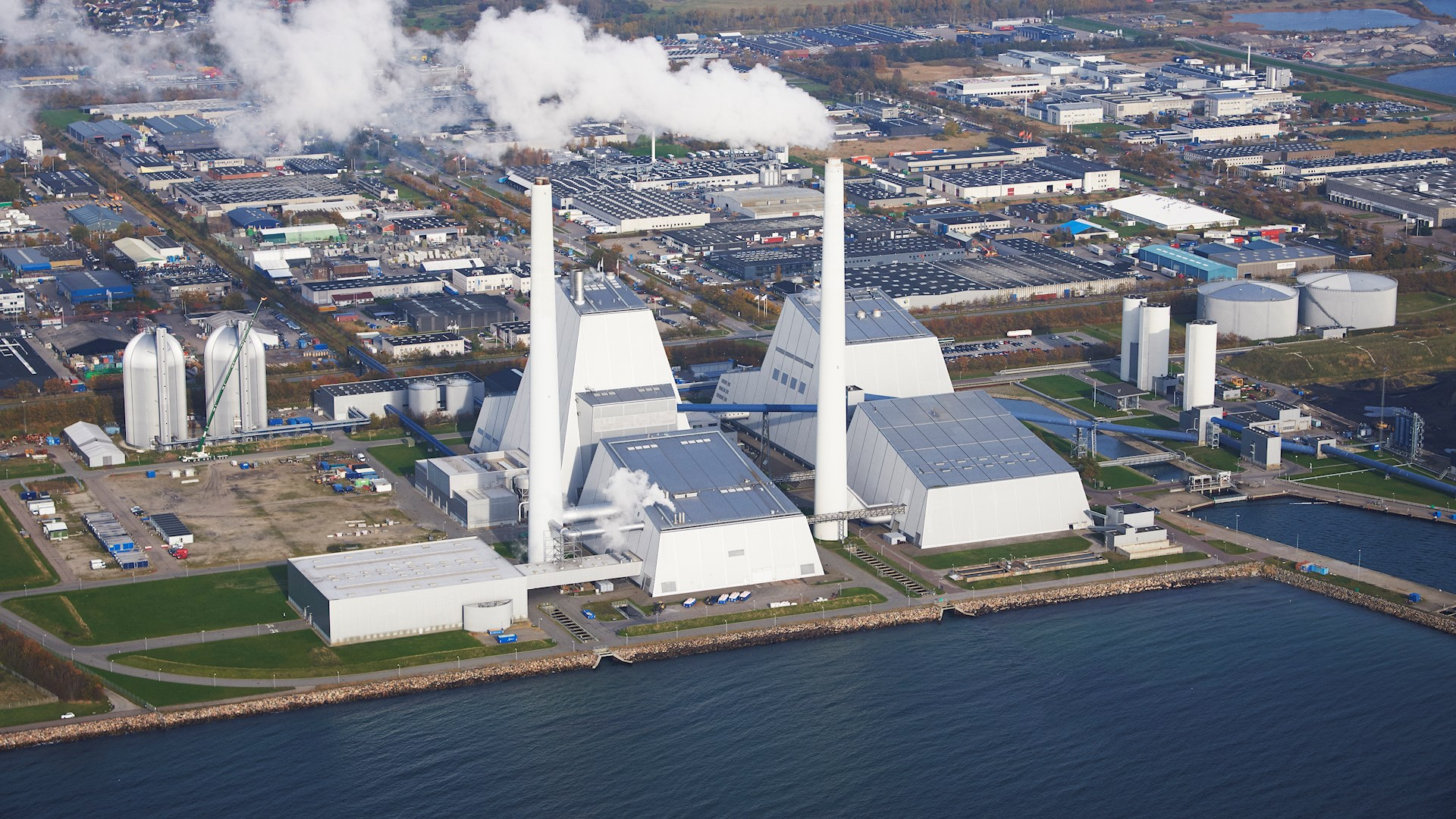
Avedøre Power Station plays a significant role in Denmark’s energy infrastructure. The plant supplies electricity and district heating to the Greater Copenhagen area, supports wider grid stability, and has transitioned from coal to primarily sustainably sourced biomass. Carbon capture development is also underway at the site. The station supplies heat to more than 215,000 homes and electricity equivalent to more than 600,000 households.
Reliability requirements are rising as electricity demand grows across transport, heating, industry, data infrastructure, and building systems. Existing assets now have to operate with higher availability while supporting a more dynamic power system. Maintenance strategies built around fixed inspection intervals are increasingly being supplemented by systems that can detect deterioration while equipment remains in service.
The pilot uses data already available in the plant’s electrical systems rather than relying on a large new sensor deployment. That makes the approach more practical for brownfield infrastructure, where adding complexity can be expensive, disruptive, or difficult to justify. A fault prediction system that works with existing relays, control systems, and operational data has a clearer route to wider deployment.
The project also reflects the move from periodic inspection toward condition-based and predictive maintenance. Traditional electrical maintenance relies on scheduled checks, testing intervals, thermal inspection, and reactive response. Those methods remain necessary, but they can miss issues that develop between inspections or provide warnings too late for controlled intervention.
AI-based analysis can identify patterns that are difficult to see manually, particularly when electrical systems generate continuous operational data. A useful signal may appear as a small behavioural change, a deviation from normal load response, a repeated transient, or a combination of parameters that becomes meaningful only over time. The operational value lies in turning those signals into maintenance decisions rather than simply increasing alarm volumes.
The pilot fits directly into the wider shift toward more intelligent energy infrastructure. As energy security moves deeper into industrial control environments, generation assets, grid systems, software, and operational technology are becoming inseparable parts of resilience. Avedøre provides a live test of that principle inside a critical power station.
Connected electrical systems also need strong operational governance. Greater visibility can improve reliability, but it expands the operational technology environment that has to be secured, monitored, and maintained. Industrial cyber incidents are already creating direct downtime, and the same concerns raised in recent OT security analysis apply to energy assets as they become more data-driven.
The first year of the pilot will depend on whether the system produces insights that site teams can act on with confidence. False positives create alert fatigue, while missed issues weaken trust. Predictive systems succeed when they support engineering judgement, fit existing maintenance workflows, and provide enough context for operators to make controlled decisions.
Earlier detection, faster diagnosis, and better prioritisation are becoming part of energy security. ABB and Ørsted’s Avedøre pilot will show how far existing electrical infrastructure can be made more resilient through analytics, without waiting for wholesale asset replacement.