Gold Hydrogen has recovered and separated natural hydrogen from formation fluids during appraisal testing at its Ramsay 3 well on South Australia’s Yorke Peninsula. The measured tests establish that hydrogen can be brought to the surface from the Parara Limestone, while the company’s estimate of around 100kg per day concerns a modelled future development well, not a rate sustained or measured during the October test.
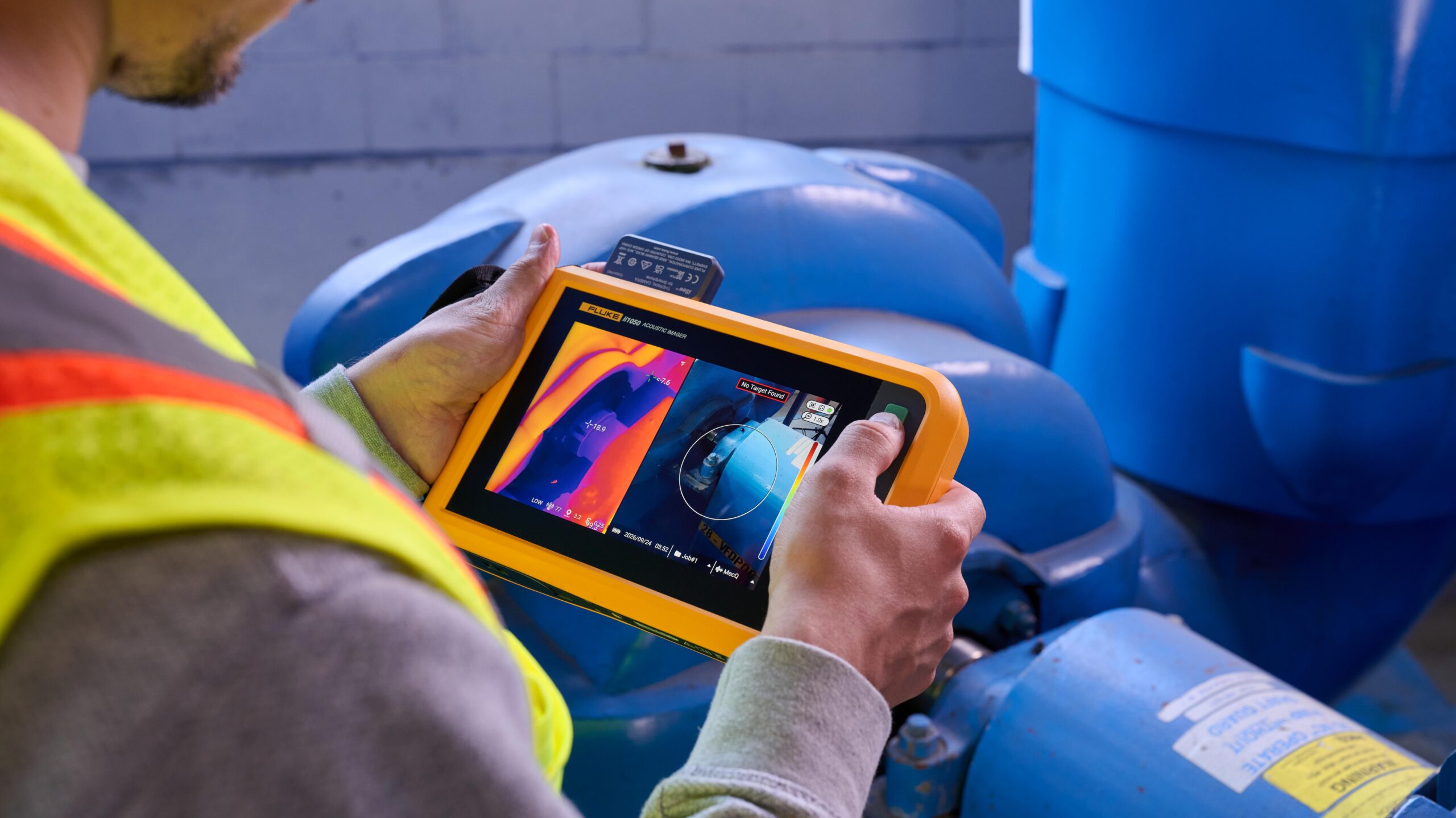
Testing of the Parara Limestone ran from 13 to 16 October 2026, following a separate programme investigating helium in the deeper Kulpara Dolomite. At Ramsay 3, the company isolated the earlier completion, perforated a 69m interval of the hydrogen-bearing formation and used an electrical submersible pump to recover formation water containing dissolved gas. The fluid was brought to the surface, where gas could be separated for measurement and analysis.
Across the 13–16 October test, the well delivered a maximum gross fluid rate of approximately 1,700 barrels per day at an implied pressure drawdown of around 400psi. Most of the stream was formation water: the number is a total fluid rate, not a measured hydrogen output. Pressure, temperature and flow measurements were taken while gas and water samples were collected for independent compositional and isotopic analysis. Gold Hydrogen has yet to establish a sustained hydrogen production rate in kilograms per day.
A separate measurement during Ramsay 3 drilling recorded up to 97% air-corrected hydrogen in sampled gas. That maximum came from drilling measurements and cannot be treated as the composition of a continuously produced stream. Gas concentrations reported across Ramsay wells and testing methods vary considerably, so both the amount of fluid produced and the proportion of hydrogen recovered from it will determine potential gas yield.
Gold Hydrogen is investigating a development scheme in which hydrogen-bearing gas is recovered as formation water is pumped to the surface and passed through separation equipment. Moving large volumes of water would create pumping, handling and disposal or reinjection duties alongside gas separation. Those demands affect the electrical load, equipment sizing and economics of any future production installation; a promising sample concentration alone does not determine the output available to an industrial customer.
The company’s development modelling combines flow and pressure observations from the 2024–2026 testing campaigns with a proposed 500m horizontal well. That theoretical completion assumes 20,000 barrels per day of gross fluid, a gas–water ratio of roughly three standard cubic feet per barrel and a field-wide average hydrogen concentration of approximately 78%. The 20,000-barrel throughput corresponds to the nominal capacity of the pumping system installed at Ramsay 3, but it has not been achieved in natural hydrogen testing of the Parara Limestone.
Applying those assumptions produces an estimated 112kg of natural hydrogen per day, which Gold Hydrogen rounds to approximately 100kg. A well delivering 100kg every day for a full year would yield 36.5 tonnes, but that annual figure is likewise conditional on sustained operation. The assumed 78% concentration is an arithmetic average derived from different sampling methods and may not represent future produced gas. No horizontal development well has yet been drilled at Ramsay, and the model is neither a reserve estimate nor evidence of commercial recovery.
A horizontal completion could contact more of the productive rock than a vertical well and potentially deliver higher fluid volumes at lower pressure drawdown. That benefit depends on how the well intersects permeable intervals and fractures, the reservoir’s vertical connectivity and the eventual completion design. The company intends to refine its productivity calculations as further sample analyses and geological work become available, including possible drilling beyond the existing cluster of Ramsay wells.
Natural hydrogen is also being assessed alongside helium, which Gold Hydrogen has encountered in the Ramsay wells and is examining as a separate potential development. The two gases have different reservoir intervals and commercial uses. Any shared infrastructure would need to reflect the pressures, produced fluids, separation steps and processing specifications associated with the respective production schemes, rather than assuming that results from one zone can be applied directly to the other.
The production assumptions will inform a feasibility assessment with Japan’s Mitsubishi Gas Chemical for a possible green methanol facility on the Yorke Peninsula. Under a non-binding agreement reached in June, the companies are examining natural hydrogen alongside South Australian renewable electricity and locally available biogenic carbon, potentially including agricultural straw. An indicative plant output of around 20,000 tonnes of methanol a year depends on a reliable supply from multiple development wells, the actual hydrogen concentration and the design and economics of the proposed process.
Methanol manufacture would require a consistent hydrogen feed, a carbon source, suitable synthesis equipment and processing utilities. With the company’s proposed extraction approach, the upstream plant would also need to separate and condition the gas while managing substantial formation-water volumes. Deliverability therefore affects more than well selection: it sets the feedstock assumptions for the chemical plant, its energy requirements and the arrangement of shared infrastructure.
The feasibility assessment is targeted for the first quarter of 2027, later than the previous end-2026 objective. Gold Hydrogen is also completing independent testing of Ramsay 3 samples, updating reservoir models and ranking further well locations along the Parara Limestone trend. The formation has been encountered at several wells, but its hydrogen yield, lateral variability and ability to support a connected production scheme require further appraisal.
Gold Hydrogen compares its modelled well rate with the Bourakébougou field in Mali, where a producing well has reportedly supplied fuel for local electricity generation. The comparison offers a reference production scale, while Ramsay’s different reservoir conditions require testing of a development completion at the proposed duty.
Independent sample results, improved estimates of gas and water deliverability and decisions on additional drilling will provide the next tests of the concept. Those steps will determine whether the modelled well performance can be translated into a dependable hydrogen feedstock for industrial processing.