Reflex Aerospace is planning to expand satellite manufacturing in Bavaria with the support of a proposed minority investment from NVIDIA. The German manufacturer announced the arrangement on 19 October as it works towards production for satellite constellations, with development of onboard data processing another stated use of the funding. Neither the investment amount nor a completion date has been disclosed.
Reflex designs spacecraft platforms around the needs of particular payloads, including instruments for Earth observation, surveillance and communications. The platform supplies the supporting structure and spacecraft systems, while the payload carries out the mission-specific work. Producing variants of a common platform for different customers demands control of mechanical and electrical interfaces, software integration and qualification, especially where multiple spacecraft are intended to operate as part of one constellation.
The company says delivery of a first-of-a-kind satellite typically takes nine to twelve months from order, compared with the two-to-four-year timescales it associates with conventional programmes. Those figures describe Reflex’s own delivery model and comparison rather than measured industry-wide performance. The company has not announced a production rate for the proposed Bavarian expansion, which makes its future output difficult to quantify from the financing proposal alone.
The planned investment follows a completed €50 million Series A financing round in November 2025. NVIDIA would join an investor group that includes Alpine Space Ventures, Human Element, Bayern Kapital and HTGF. The earlier funding and the newly proposed stake are separate transactions, and the terms of NVIDIA’s participation do not establish that a particular processor, computing module or software stack has been ordered for Reflex spacecraft.
Onboard processing is one of the capabilities being developed through the satellite platform architecture. An imaging payload may collect more raw information than can be transmitted during a given ground-station contact, particularly when communications bandwidth is limited or a spacecraft has only short downlink windows. Processing data before transmission can reduce the information that needs to travel to the ground, provided the mission can achieve its objectives without retaining every raw measurement.
Putting additional computing capability into a spacecraft also adds engineering demands. Power is supplied by a limited electrical generation and storage system, while unwanted heat has to be removed through spacecraft thermal control rather than conventional air cooling. Electronics must tolerate the radiation environment and operate without routine physical maintenance. Reflex has not identified a specific onboard processor or published the thermal, electrical or fault-tolerance design planned for the expanded architecture.
Constellation supply requires different production planning from a programme built around an occasional specialised satellite. Several spacecraft must be integrated and tested to consistent requirements, while replacement units may need to be produced as satellites reach the end of their service lives. Standardising parts of a platform can reduce repeated design work, but the integration and testing of customer payloads remains necessary when sensing instruments, communications equipment and operating profiles differ.
Reflex previously reached a development agreement with US company Orbital concerning a proposed orbital data centre constellation. The September arrangement names Reflex as its exclusive satellite platform partner for development of the initial Orbital-1 spacecraft and possible subsequent units. It provides an example of the company’s intended market, without establishing that a full constellation has been ordered or launched. The October NVIDIA proposal has no disclosed allocation to that particular project.
Manufacturing activity in Germany is part of Reflex’s stated emphasis on European control of spacecraft development, production and operations. This involves more than locating assembly equipment domestically: component availability, specialist testing, licensing and access to launch services can affect the timetable between completion of a satellite and its deployment. A shorter assembly cycle can help fleet replenishment, but launch availability and acceptance testing remain separate constraints.
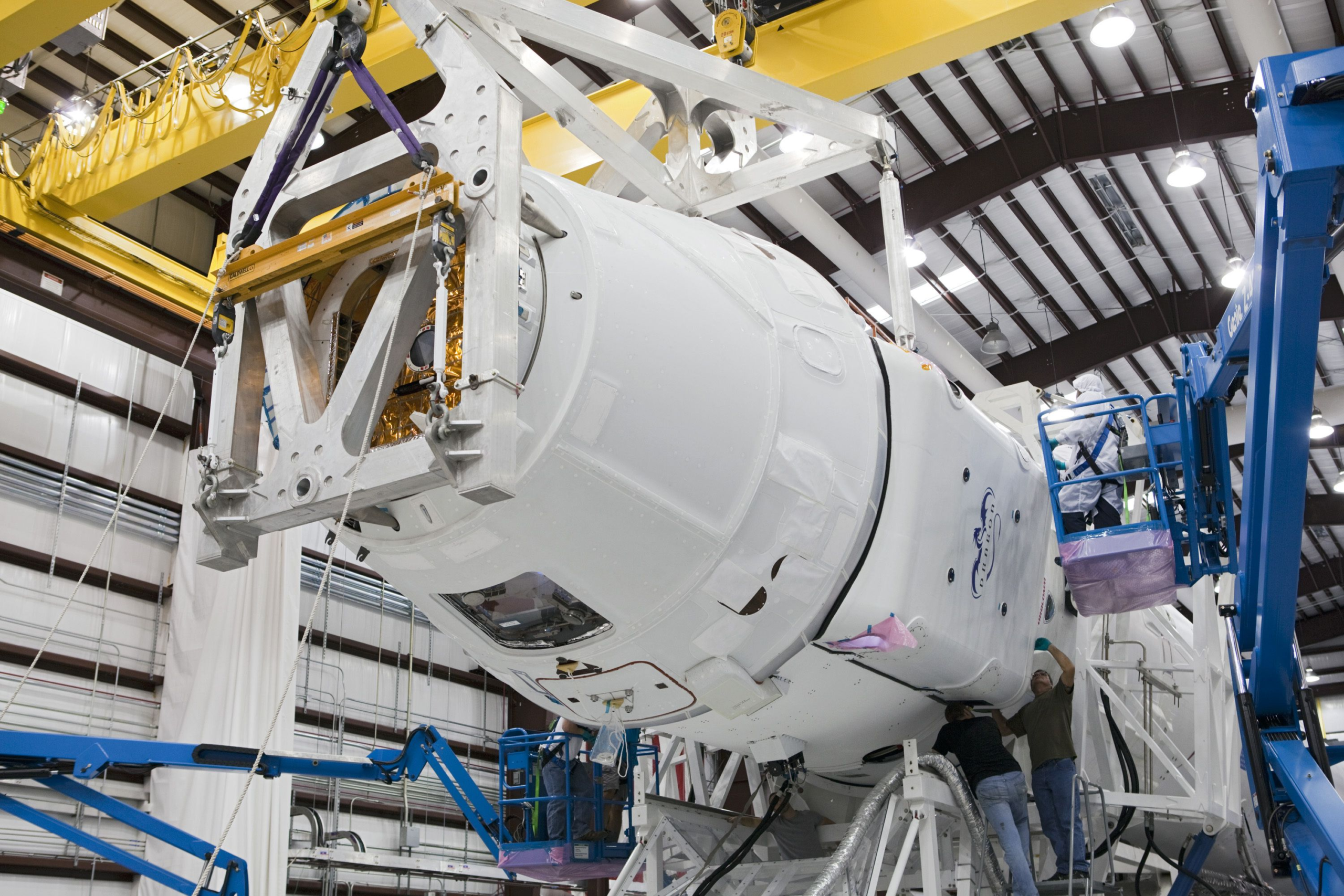
A manufacturing programme serving multiple constellations will have to coordinate repeatable assembly with mission-specific testing. Electrical checks establish that power and data paths function as designed; mechanical and environmental testing then examines how integrated equipment responds to conditions expected during launch and in orbit. These stages create an acceptance record for each spacecraft and can constrain the rate at which completed structures become ready for delivery, even when the main platform design is reused.
Reflex intends to use the proposed investment to move from individual missions towards supplying repeated spacecraft for low Earth orbit constellations. Its €50 million financing round and existing mission work provide the established base; the new capital would support production in Bavaria and further onboard processing development. Progress towards that model will be visible through completed investment arrangements, expanded production activity and spacecraft successfully delivered after qualification.