A union representing workers at Micron Technology in Taoyuan, Taiwan, plans to strike on Thursday 22 October as a dispute over bonuses and profit sharing continues. The proposed action is timed to coincide with another round of mediation involving Micron and a separate union at its Taichung operations. The Taichung union has not declared its own strike, while participation levels, the duration of the Taoyuan action and any effect on chip production have not been confirmed by the union or company.
The Taoyuan union announced the plan after mediation with Micron ended without agreement in September. Workers authorised industrial action earlier in October: of 2,012 votes cast, 1,994 supported a strike. The ballot established authority to take action, rather than proving that every employee will participate on 22 October. The union has said it wants management to present a concrete proposal at the Taichung mediation meeting, where discussions are continuing.
Micron’s Taiwanese operations have distinct employment groups and unions. The Taiwanese Central News Agency reports approximately 3,000 employees at Taoyuan and 12,300 at Taichung, with membership of roughly 2,400 and 11,000 respectively. Those figures describe the wider workforces and union membership, not the number expected to leave work. The Taoyuan action is presented as solidarity with Taichung employees, but the two unions are following separate labour procedures and their next decisions should not be conflated.
At the centre of the dispute is a demand for a transparent, lasting mechanism allocating 15 per cent of Micron’s operating profits to employees. Micron has already announced substantial fiscal 2026 compensation for its Taiwanese workforce, including cash payments and benefits that may include shares. The unions distinguish these awards from an agreed formula that would determine future profit sharing. The negotiations therefore concern how compensation is calculated and communicated as well as the amount distributed in a particular financial year.
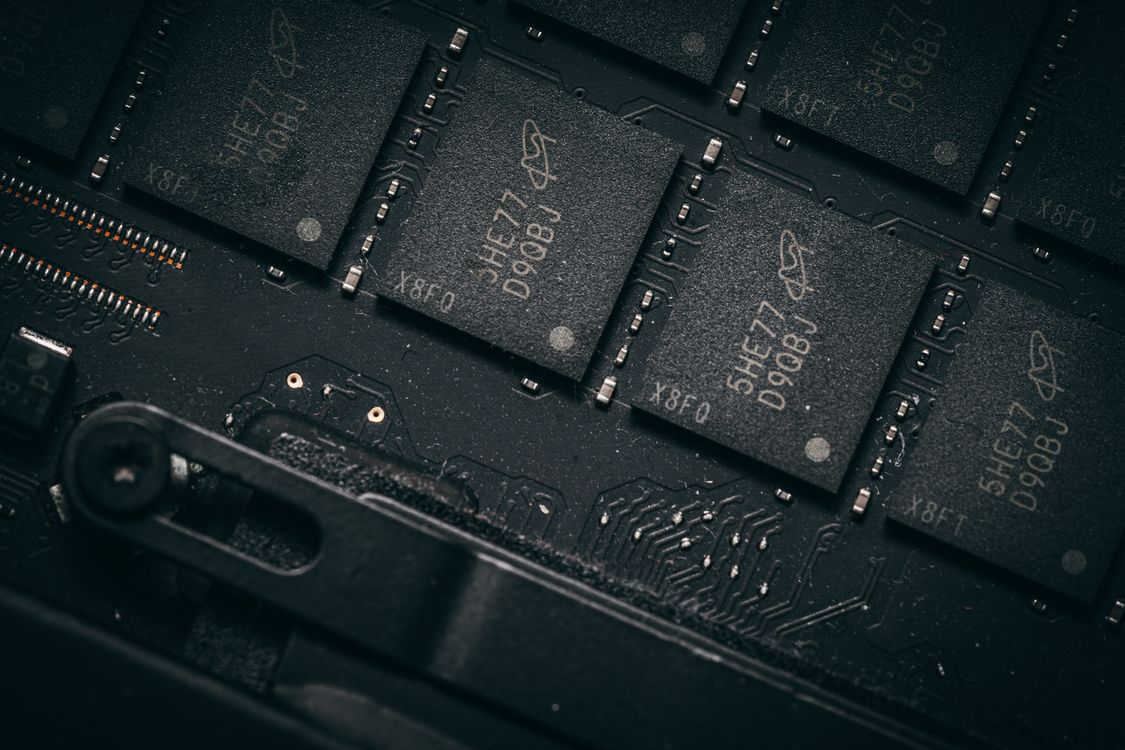
Taiwan is a major base for Micron’s dynamic random-access memory, or DRAM, and high-bandwidth memory production. DRAM holds data while computing systems operate and must be refreshed electrically; high-bandwidth memory packages stack multiple memory dies to provide very wide connections close to a processor. These products feed server, accelerator and other electronics supply chains, so changes to manufacturing schedules can have consequences beyond a single site even when the initial dispute concerns employee rewards.
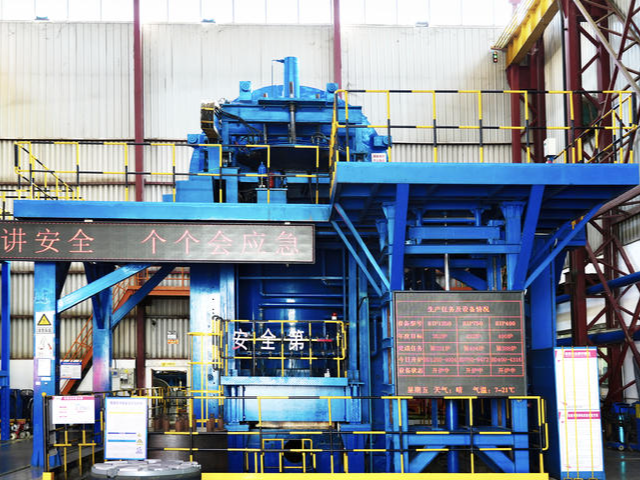
Memory fabrication requires successive deposition, lithography, etching, cleaning, metrology and testing steps under tightly controlled conditions. Wafers may remain in a factory’s production flow over extended periods, with automated handling and machine operation supported by technicians, maintenance workers and engineers. A labour interruption could affect equipment availability, movements between process stages or packaging schedules, depending on which teams participate and what contingency arrangements are in place. None of those possible effects establishes that Micron has already lost output.
The Taichung complex also includes advanced memory packaging and testing. Assembly of stacked memory involves different equipment and process controls from wafer fabrication, and an interruption at one point does not necessarily translate into an identical effect elsewhere. Finished or partly processed inventory, machine status, staffing for critical functions and the length of any stoppage would all influence the operational impact. Micron has not released an estimate of lost production or identified which manufacturing operations might be affected.
Micron said it respects employees’ lawful rights and intends to continue constructive discussions with the unions. Taiwanese President Lai Ching-te has urged both sides to negotiate sincerely, most recently during a visit linked to the opening of an advanced packaging and testing facility at Taichung. The company’s cumulative investment on the island exceeds NT$1.6 trillion, according to Micron, underlining the scale of an operation that also employs roughly 15,000 people across Taiwan.
The planned action follows a 7 October strike authorisation and a 19 October demonstration that was separately described as a rally, not a walkout. Local reporting has characterised the proposed 22 October action as lasting one day, but the Taoyuan union had not specified its duration or expected participation when its statement was reported on 20 October. The terms of any strike, and the outcome of the simultaneous mediation, require separate confirmation as events unfold.
Thursday’s immediate questions are whether the Taoyuan action takes place as announced, which employees participate and whether management and the Taichung union reach an agreement. An actual stoppage, its industrial impact and any change to compensation terms will be distinct developments. Until those outcomes are established, the verified position is a scheduled Taoyuan strike during continuing labour negotiations, not a confirmed disruption to memory production.