Cornish Metals has proposed raising approximately £135 million to develop the South Crofty tin mine in Cornwall, with Glencore conditionally committing about £11.2 million and entering into a six-year agreement to purchase tin concentrate from the operation. The equity financing is not yet complete and remains subject to shareholder approval and other conditions. The company continues to target first tin concentrate production in mid-2028.
The fundraising, announced on 20 October, is structured around an institutional placing, direct subscriptions and an accompanying retail offer. New ordinary shares are being offered at 60p each. Glencore has agreed conditionally to subscribe for 18,718,319 shares, while the National Wealth Fund may take up to approximately 29.5% of the total amount subscribed under the proposed financing. Existing backer Vision Blue Resources is also involved, with its final subscription amount subject to confirmation.
Glencore’s prospective shareholding and concentrate offtake serve different functions. As a proposed shareholder, it would subscribe for 18,718,319 new shares; as an offtake customer, it would buy all tin concentrate produced by South Crofty Limited for six consecutive years after commercial production begins, subject to the contract’s commercial and volume terms. Concentrate is a processed mineral product containing tin, not finished refined metal. The agreement connects the proposed mine to a commercial buyer while leaving product quality, shipment arrangements and downstream treatment to the detailed supply process.
The planned equity raise is also linked to finance secured earlier in 2026. Cornish Metals placed US$210 million of senior secured Nordic bonds in May, but proceeds are held in escrow until specified conditions have been met. One important requirement is an equity raise of at least US$161 million by 21 November, unless bondholders agree an extension. The company states that the proposed sterling fundraising would satisfy that threshold at the exchange rate used in its announcement.
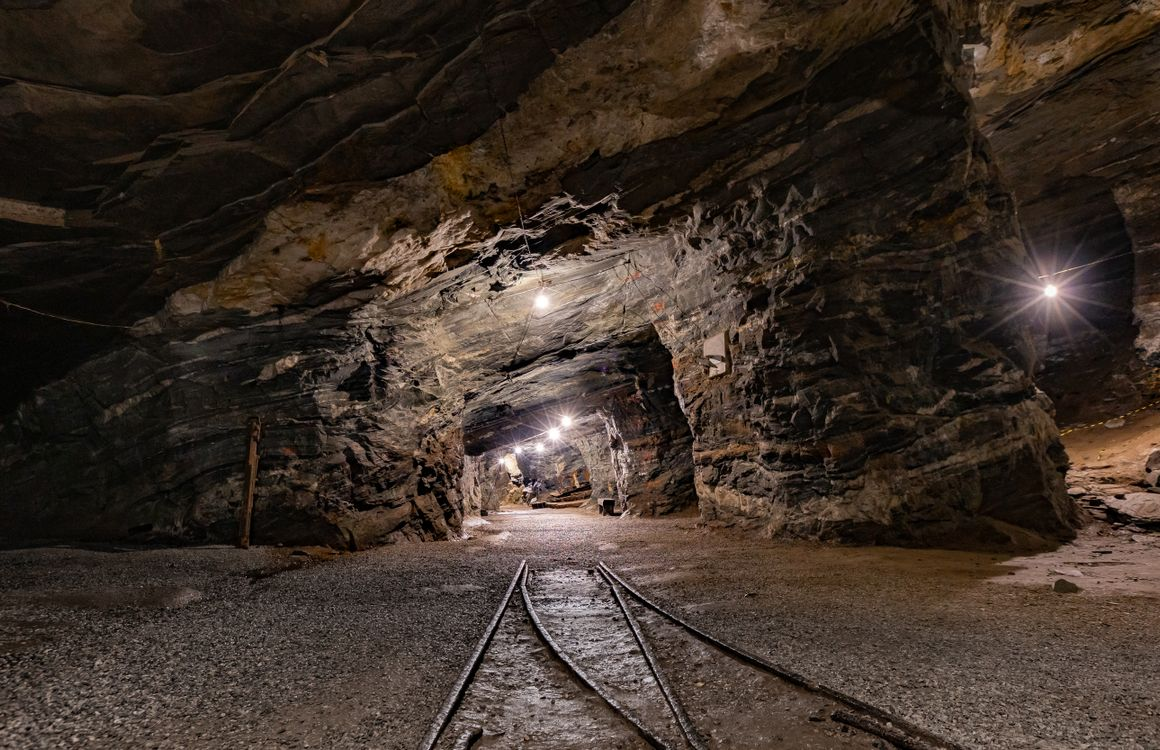
The proposed equity financing would help move an established redevelopment programme through several interdependent engineering stages. South Crofty requires dewatering at depth, restored underground access, dependable hoisting equipment, ore handling facilities and an operating processing plant before concentrate can be produced at commercial scale. Pumping and rehabilitation govern when construction teams can reach lower workings. Shaft systems then determine how equipment and extracted material can move, while plant commissioning determines when mined ore can become a saleable concentrate.
Recent operations have included pumping through the mid-shaft station at the New Cook’s Kitchen shaft, with dewatering continuing towards deeper levels. The company has also advanced shaft refurbishment and work on production and service winders. Front-end engineering design for the processing plant is complete, detailed engineering is under way, and civil work has progressed at surface facilities. These activities reduce development risk but do not remove the remaining requirements for engineering completion, approvals, testing and commissioning.
Crushing and grinding the extracted ore will have to expose minerals containing tin sufficiently for separation and concentration, with recovery affected by feed grade, mineralogy and circuit performance. Tin is widely used in solder for electronics, alongside other industrial applications, creating an end market for contained metal rather than a direct outlet for untreated ore. South Crofty last produced tin before its closure in 1998, and the proposed restart would re-establish mined output in Cornwall after nearly three decades.
Cornish Metals’ September interim results forecast approximately 4,700 tonnes of tin contained in concentrate annually during production years two to six. That is a development forecast rather than current output, and the company continues to target first concentrate in mid-2028. The intervening programme includes continued dewatering, underground and surface construction, installation of equipment with long procurement lead times, and completion of outstanding planning and environmental approvals or variations. The production forecast will ultimately depend on ore delivery, recovery through the processing circuit and the actual commissioning timetable.
Concentrate sold under the Glencore agreement will need assay, sampling and shipment controls appropriate to a mineral commodity. Commercial acceptance depends on contained tin and impurities as well as moisture and handling requirements, giving the processing plant an important role beyond producing a nominal tonnage of material. Mine production, concentrate recovery and third-party treatment form different parts of the metal supply chain; Cornish Metals has not specified the final smelting destination. This distinction also separates the project’s proposed Cornish mining jobs from any additional refining capacity elsewhere.
Completion of the equity offer and satisfaction of the bond escrow conditions are the next financial milestones. Those decisions will determine when the previously raised debt becomes available alongside new shareholder funds to pay for construction, equipment and commissioning. At the site, dewatering and shaft work are already providing measurable progress towards underground access. The sequence from capital availability to installed plant, mining and concentrate shipments remains the company’s route towards its mid-2028 target, with each operational milestone subject to its own engineering and regulatory requirements.