Studsvik has signed a long-term framework agreement with Norwegian Nuclear Decommissioning covering the management of spent nuclear fuel from Norway’s former research reactors at Halden and Kjeller. The agreement establishes a route for the fuel to be transported to Sweden, inspected, treated where necessary, and held in interim storage before eventually being returned to Norway for final disposal.
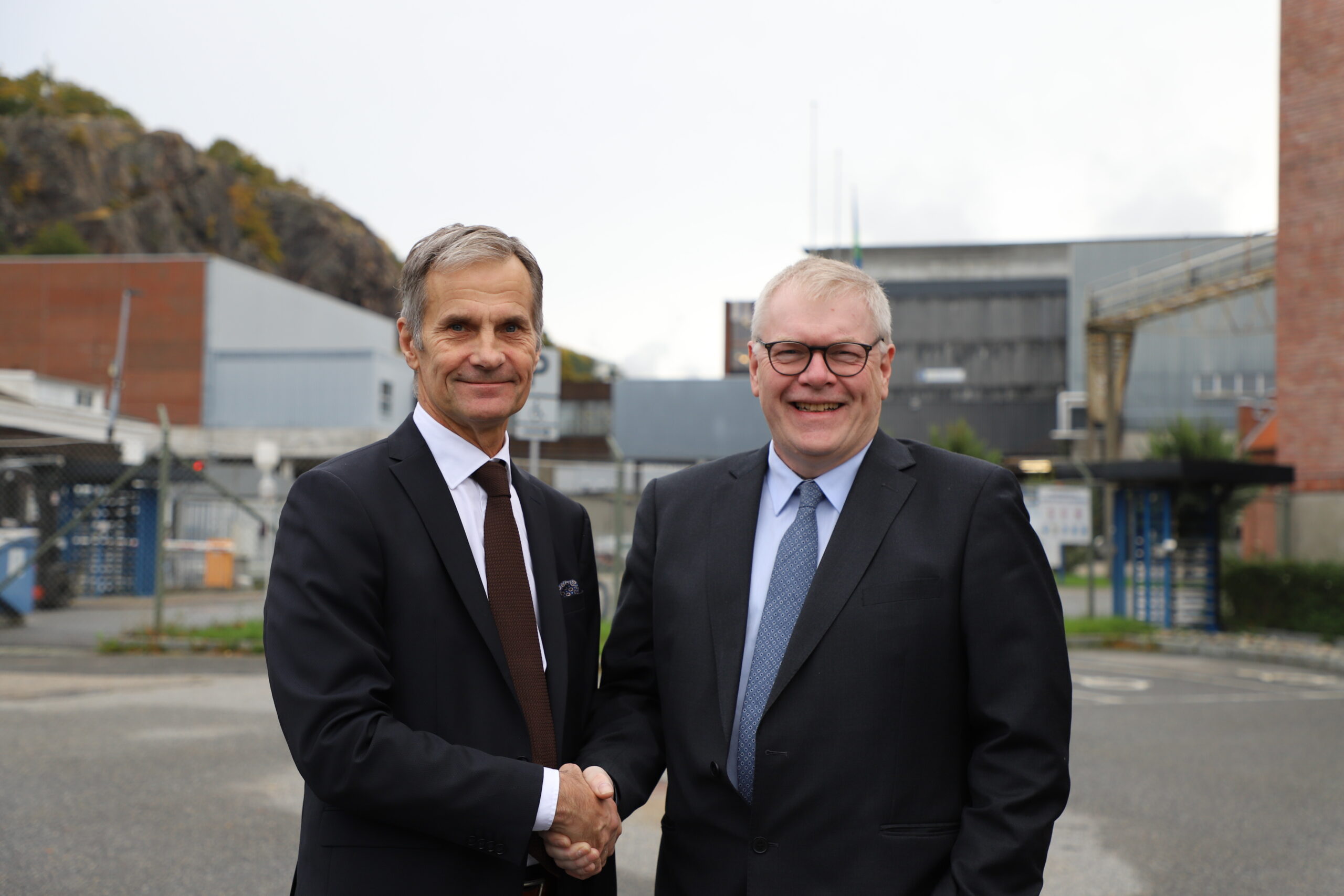
The framework runs until 2055 and begins with a preparatory study to define the detailed project plan and budget. The agreement was signed in Halden on 16 October by Studsvik chief executive Karl Thedéen and Norwegian Nuclear Decommissioning director general Pål Mikkelsen. Physical transport and treatment will depend on subsequent work orders and the necessary regulatory approvals in both countries.
Studsvik estimates the total potential value at SEK3 billion to SEK4 billion over the duration of the agreement, including anticipated future work orders. Norwegian Nuclear Decommissioning has identified an estimated contractual minimum commitment of approximately SEK875 million under specified assumptions. Neither figure should be described as a fully committed order book or guaranteed revenue.
The estimated minimum assumes that the relevant fuel inventory has been transferred to Sweden by 2035, while the agreement includes termination arrangements that could prevent the full minimum from being realised. The Norwegian agency may terminate after the preparatory study with 12 months’ notice, and other termination provisions apply later in the agreement. Studsvik does not expect the framework to have a material effect on its financial results for 2026 or 2027.
Norway retains approximately 16.5 tonnes of spent nuclear fuel from more than six decades of research reactor operations. The material includes metallic uranium fuel, aluminium-clad assemblies, and experimental fuel types, creating a varied inventory that cannot necessarily be managed through one uniform treatment and packaging route.
The former research facilities at Halden and Kjeller were developed for experimental and research activities rather than the standardised operation of a large commercial reactor fleet. Differences in fuel design, materials, irradiation history, and storage condition complicate the technical assessment needed before individual items can be moved or conditioned for longer-term management.
Studsvik intends to receive material at its licensed facilities outside Nyköping in Sweden. The proposed sequence involves preparing fuel for transport in Norway, transferring it in approved packages, examining its condition after receipt, and carrying out treatment appropriate to the material before placing it into interim storage.
The preparatory study will determine the detailed arrangements for collecting, handling, transporting, and returning the inventory. It will also establish what equipment, facilities, inspections, and regulatory applications are necessary for different stages of the work. Agreement on a possible process is not equivalent to authorisation for every fuel movement or treatment activity.
Spent fuel management requires several protective functions to be maintained throughout handling and storage. Radioactive material must remain contained, personnel and the environment need suitable radiation protection, and the arrangement must prevent unintended criticality. Fuel condition, thermal characteristics, and package design influence how those requirements can be satisfied.
Because the Norwegian inventory contains different fuel types, the characteristics of individual assemblies and storage packages must be considered before suitable treatment is selected. Some material may require additional inspection or conditioning, while particular fuel compositions can create chemical stability concerns that need to be addressed before extended storage.
Metallic uranium presents one such challenge. Its chemical reactivity depends on factors including the surrounding environment and material condition, and contact with water or other substances can produce reactions that complicate safe storage. Treatment may be required to convert material into a more stable form before it is placed into an approved long-term management arrangement.
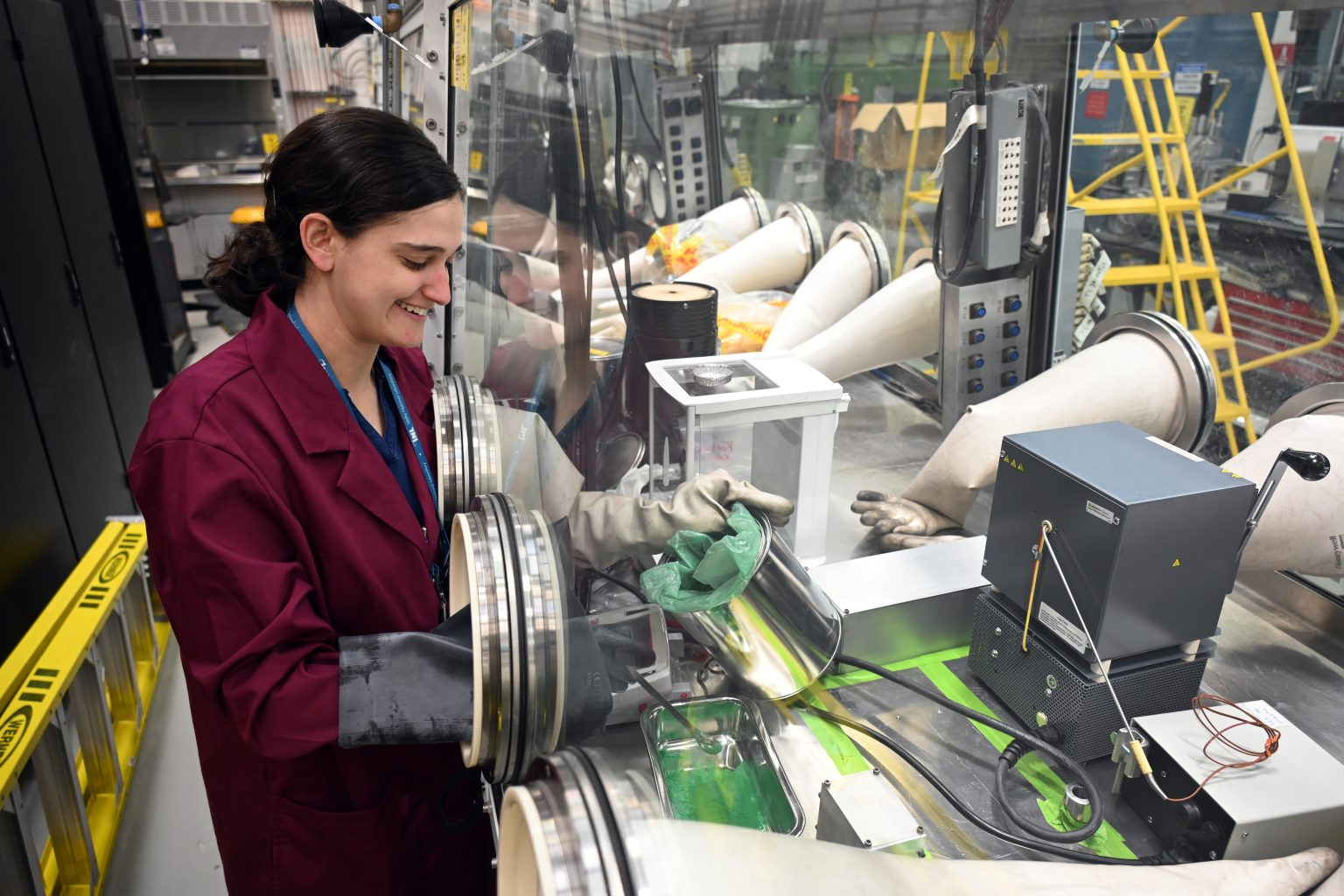
Studsvik has identified oxidation of metallic uranium fuel among the processes that could be used where appropriate. The treatment changes the chemical form of the material, but its application must be controlled and qualified for the specific fuel involved. The announcement does not indicate that the entire 16.5-tonne inventory will undergo oxidation or that identical treatment conditions will be suitable for every assembly.
Fuel with aluminium cladding or experimental materials may require different handling and conditioning arrangements. The cladding, residual contents, and condition of the assembly influence how it can be inspected and repackaged. Establishing a reliable record of the material is particularly important where the components have been stored for many years after their original research use.
Transport introduces another set of engineering and regulatory requirements. Packages must be appropriate to the radioactive contents and the planned movement, with arrangements for containment, shielding, securing the load, and responding to relevant transport conditions. The procedures for loading and transferring material must also account for the facilities available at the sending and receiving locations.
Cross-border transport requires coordination between Norwegian and Swedish authorities. Approvals for handling fuel at one licensed nuclear site do not automatically authorise its export, movement, treatment, and storage elsewhere. Each stage must satisfy the regulatory requirements applying to the organisations and installations involved.
Interim storage in Sweden is distinct from permanent disposal. Under the framework, treated material will remain at Studsvik until it is returned to Norway. Norwegian Nuclear Decommissioning retains responsibility for the national programme and the arrangements ultimately needed for final disposal of the country’s legacy fuel.
The duration of the agreement reflects the scale and complexity of that programme. Work may be carried out over many years as technical information becomes available, treatment requirements are finalised, and permissions are obtained. The framework provides an organisational basis for those activities without fixing every individual work package at the outset.
Norwegian Nuclear Decommissioning has indicated that using Studsvik’s established facilities offers a faster and less costly route than developing comparable fuel treatment capability domestically. That is the agency’s assessment of the available options, rather than a demonstrated saving calculated from completed transport and treatment work.
Studsvik’s industrial experience extends across nuclear fuel handling, waste treatment, engineering, and decommissioning services. Applying that experience to the Norwegian inventory will nevertheless require project-specific verification because the materials and their history differ from those encountered in other contracts.
The agreement also provides a possible basis for coordinating treatment with Norway’s longer-term disposal planning. Treatment decisions need to account for the requirements of the subsequent storage and disposal route, while packaging arrangements must remain compatible with the facilities that will eventually receive the conditioned material.
With the preparatory study beginning immediately, the first milestones will concern agreement on the project plan, budget, and proposed work sequence. Individual work orders, permits, and physical fuel transfers will follow only when the necessary conditions are satisfied. The reported SEK3–4 billion remains Studsvik’s estimate of potential activity through 2055, not an amount already earned or irrevocably contracted.