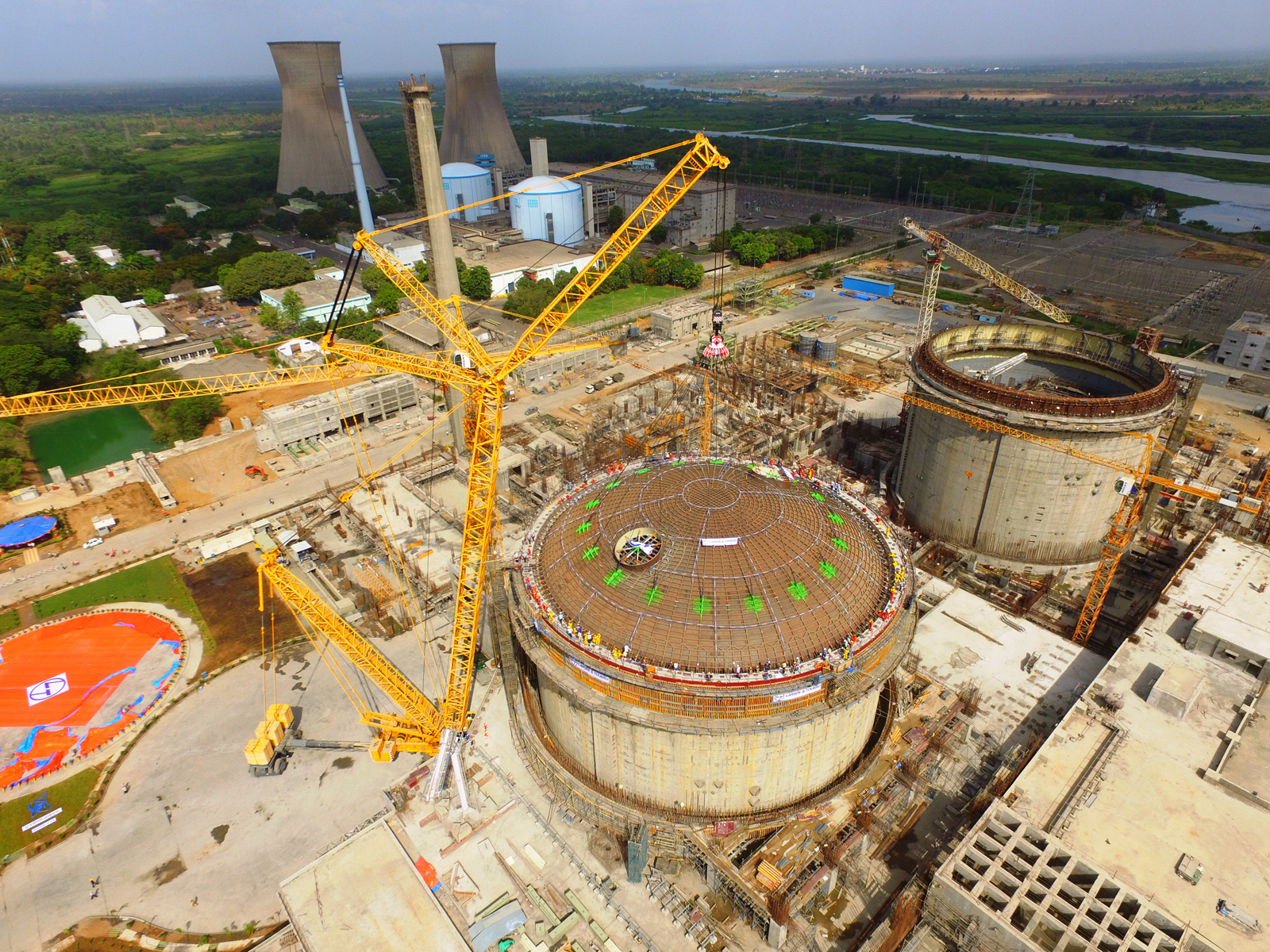
Slovenské elektrárne has connected the fourth reactor at Slovakia’s Mochovce nuclear power station to the electricity grid for the first time, following synchronisation of its first turbogenerator on 15 October 2026. The connection took place at 20:41 local time with the reactor operating at approximately 20% of nominal thermal power, marking the beginning of electricity delivery during the unit’s staged commissioning programme.
Mochovce 4 is a 471MW nuclear generating unit equipped with two turbogenerators. The first was connected to the Slovak transmission system following checks of the electrical equipment and generator protection arrangements. Although the connection demonstrates that the unit can generate electricity under the tested conditions, it does not mean that full commercial operation has begun.
The operator expects the completed reactor to generate approximately 3.5 million megawatt-hours of electricity annually, equivalent to around 13% of Slovakia’s current electricity consumption. These are forecasts for full operation rather than quantities delivered during the first connection. Actual annual output will depend on the completion of commissioning, operating availability, and subsequent maintenance requirements.
The grid milestone had been expected earlier in the week, but synchronisation planned for 13 October was postponed after testing identified an unusual response in voltage measurement circuits associated with equipment outside the nuclear part of the plant. Slovenské elektrárne continued its verification programme before proceeding with the successful connection on 15 October.
The postponement illustrates the need to establish the condition of both nuclear and conventional generating equipment before increasing output. A reactor may be producing the heat required for generation while electrical circuits, protective devices, or turbine equipment still require further examination. Each system must satisfy the relevant acceptance criteria before the unit is permitted to progress.
Grid synchronisation is a tightly controlled electrical operation. Before a generator is connected to an operating power network, its voltage, frequency, and phase must be aligned with the corresponding conditions on the grid. Closing the connection at an unacceptable difference can produce severe mechanical and electrical stresses, potentially damaging the turbine generator or associated equipment.
Engineers establish the required conditions through coordinated control of turbine speed, excitation, and generator protection systems. The synchronising sequence is brief, but it follows extensive preparation and testing of equipment that must operate together when the generator begins transferring power to the network.
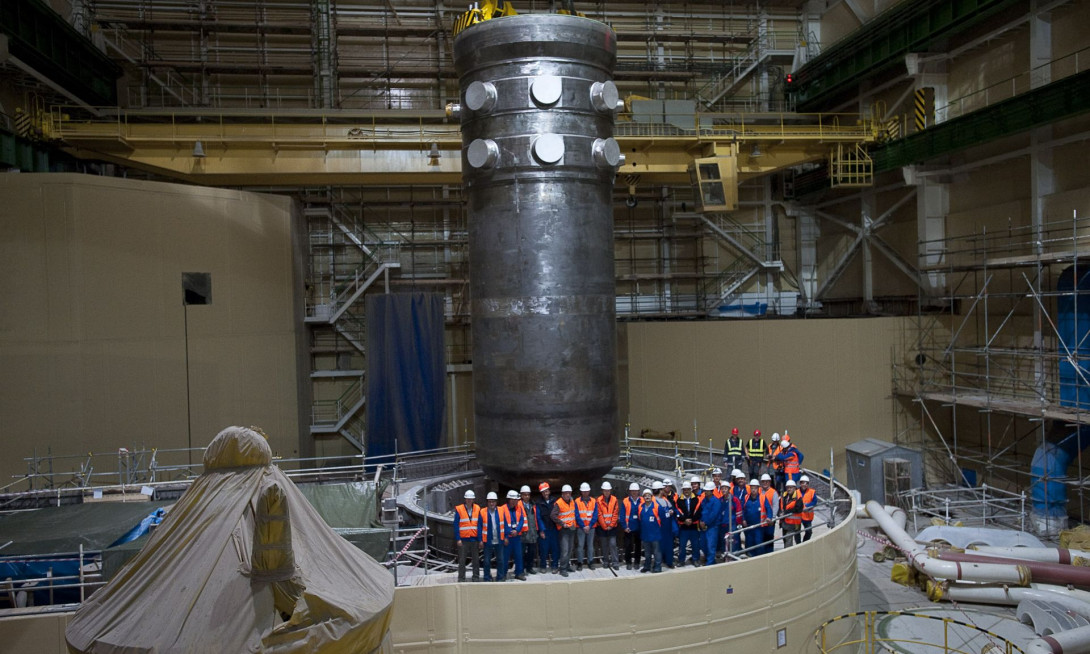
Mochovce 4 uses a VVER-440 pressurised water reactor design. Heat generated in the reactor core is transferred through the primary coolant system to steam generators, where it is used to produce steam in a separate secondary circuit. That steam drives turbines connected to electrical generators.
Keeping the primary and secondary circuits separate is a fundamental feature of the plant’s thermal design. The reactor coolant carries heat away from the fuel assemblies, while the steam system transfers energy into mechanical rotation and subsequently electrical power. Pumps, valves, control systems, and heat exchangers maintain the operating conditions required across the two circuits.
At reduced reactor power, the available steam flow is sufficient for selected turbine and generator tests, but the equipment is not yet operating at the conditions associated with its full electrical rating. The first synchronisation therefore took place with only one of the two turbogenerators connected and with reactor output deliberately restricted.
Reactor thermal power must also be distinguished from electrical output. The reported 20% figure describes the reactor’s thermal operating level, not a measurement showing that the station was delivering exactly 20% of its installed 471MW electrical capacity. Conversion losses and the conditions of the turbine cycle mean that the relationship between heat generated and electricity exported is not a direct one-to-one calculation.
Further commissioning will involve operating the reactor at progressively higher power levels and verifying the response of its technological and safety systems. Slovenské elektrárne has outlined stages at 35%, 55%, 75%, 90%, and eventually 100% reactor power, with the relevant regulatory permissions needed before advancing between stages.
Testing at several power levels provides information about behaviour that cannot be established from low-power operation alone. As thermal output increases, steam conditions and equipment loads change, while pumps, controls, protection systems, and other plant equipment must remain within their specified operating limits.
Dynamic tests also establish how systems respond when operating conditions change. Turbine and reactor controls must coordinate power changes, while protection systems have to recognise specified fault conditions and respond appropriately. The results form part of the evidence required before the regulator can accept the unit’s operation at higher output.
Slovenské elektrárne’s start-up programme includes a final demonstration run at full nominal power. The company has identified a 144-hour test as an important step in confirming that the new unit meets its design parameters. That test remains ahead of Mochovce 4 and should not be confused with the successful first connection at 20% reactor power.
The power station has a long development history. Mochovce’s first two generating units entered service in the 1990s, while the third unit progressed into electricity generation in 2023. Completion of the fourth unit will extend the site’s generating capability using a reactor design familiar to the operator and its engineering workforce.
Construction and commissioning nevertheless remain distinct undertakings even when related units use broadly similar equipment. Individual components must be installed, inspected, tested, and accepted, while the behaviour of each assembled system has to be demonstrated under the conditions applicable to that specific unit.
The new capacity will add to Slovakia’s domestic electricity supply once the unit has completed the required tests. Nuclear generation can provide substantial output without direct carbon dioxide emissions from fuel combustion during operation, although overall lifecycle impacts and operating performance depend on a wider range of factors.
Manufacturing and process industries depend on reliable electrical supply for motors, heating, pumping, control systems, and continuous production equipment. An additional generating unit may strengthen national supply availability, but its eventual contribution to prices, imports, and system operation will depend on demand, dispatch conditions, and the performance of the wider power network.
The successful first synchronisation establishes a significant technical milestone for Mochovce 4. The operator must now complete the remaining staged tests, obtain the necessary regulatory acceptance, and demonstrate performance at full power before the unit can enter normal commercial operation.