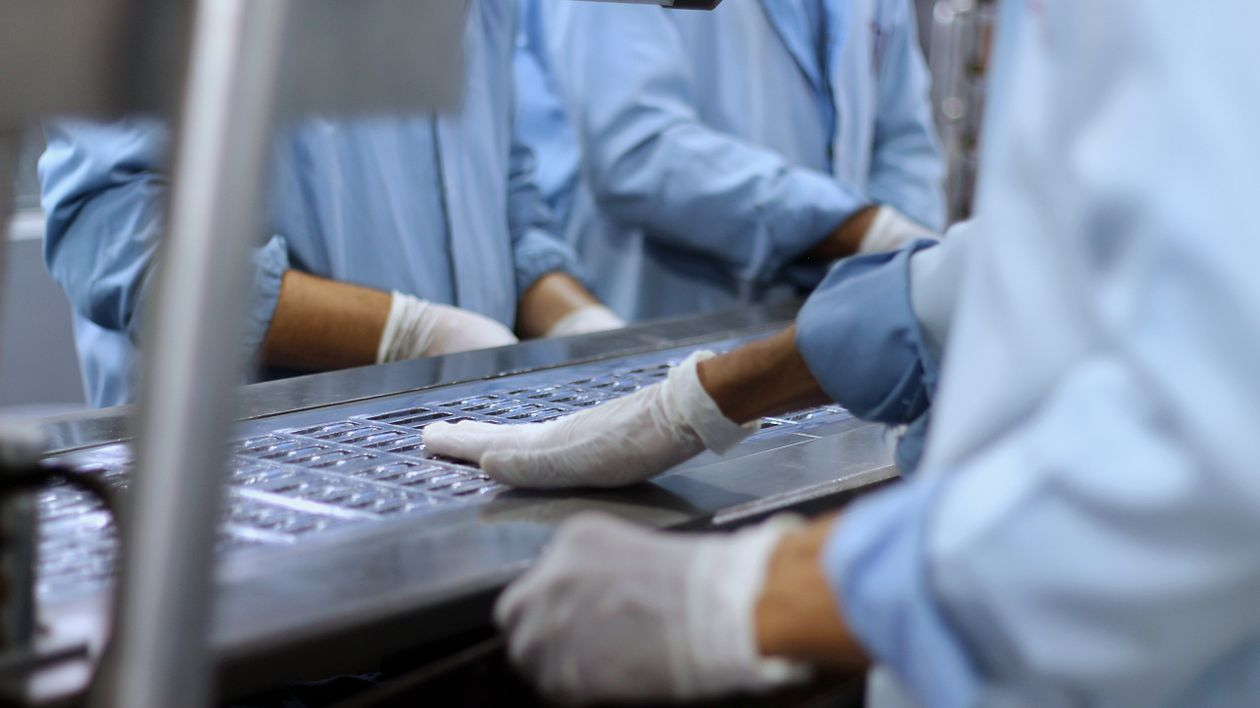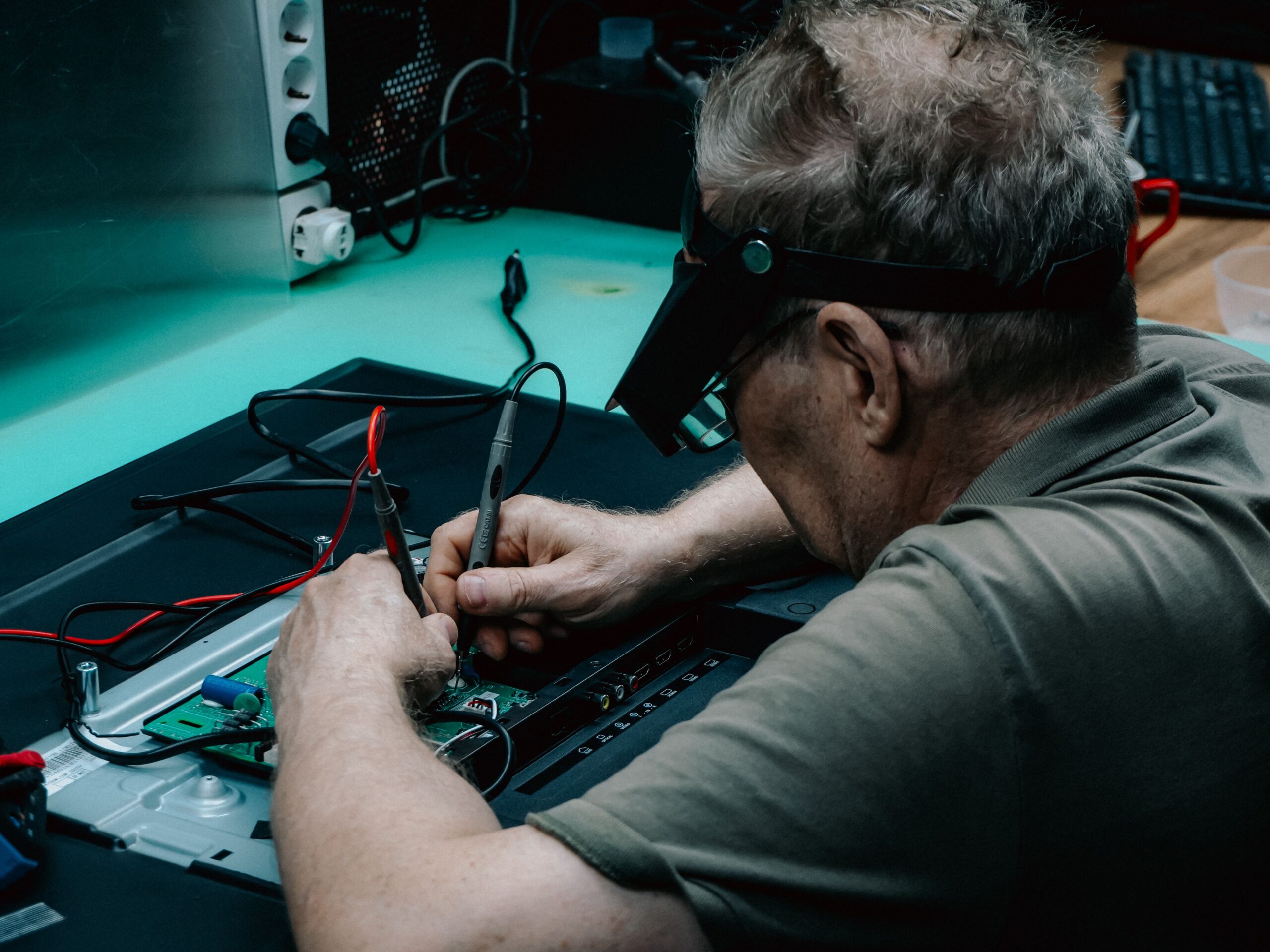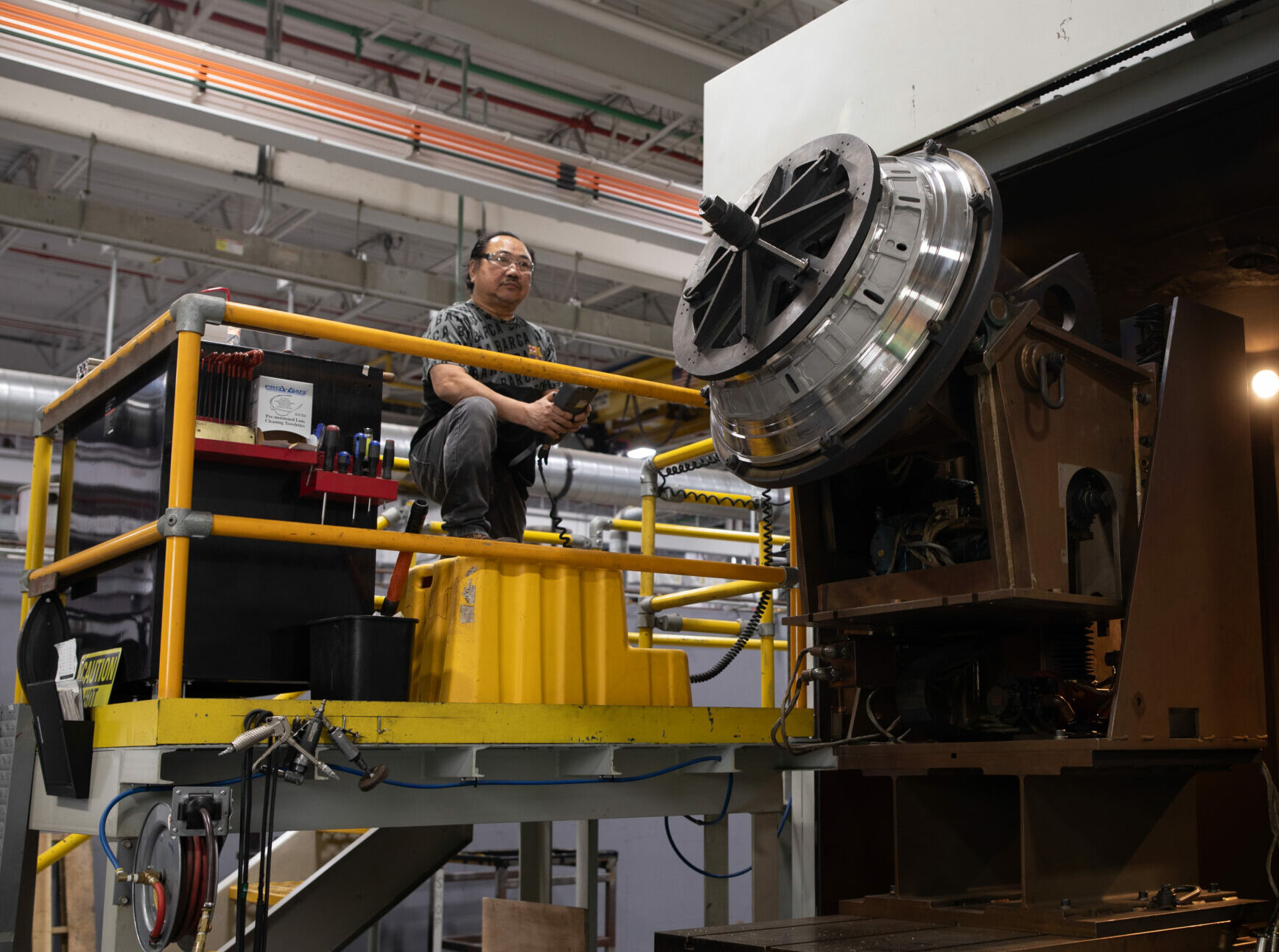
Barnes Aerospace has acquired Dundee-based ATL Turbine Services, giving the US aerospace group its first dedicated component repair and overhaul operation in Europe while adding established capability across turbine inspection, restoration and surface treatment.
ATL has spent more than 30 years working across civil aerospace, defence aerospace, industrial turbines and marine applications, with the Dundee operation covering component assessment, machining, welding and brazing, heat treatment, non-destructive testing, metallurgical laboratory work and specialist coatings. Barnes already manufactures aerospace components at several European sites, including facilities in Burnley, Motherwell and Newton Abbot, but the Scottish acquisition adds an aftermarket operation rather than another new component factory.
Gas turbine blades, vanes and related hardware operate under high temperatures, repeated thermal cycling and substantial mechanical loads, while their surfaces are exposed to oxidation, corrosion and erosion. Damage can develop through dimensional loss, cracking or deterioration of protective coatings, so components entering a repair shop must be cleaned, inspected and measured against approved limits before any restoration route can be selected.
Where repair remains permissible, machining can recover required geometry, welding or brazing can rebuild specified areas and heat treatment can restore material properties affected during the process. Non-destructive testing is then used to check for cracks or other defects without sacrificing the component, while coatings can be reapplied where the original design relies on them to protect the underlying alloy during subsequent service.
Keeping several of those processes inside one operation reduces the number of transfers between specialist suppliers and gives the repair organisation greater control over work in progress. A component that would otherwise move separately through inspection, machining, heat treatment and coating can follow a shorter route, provided ATL holds the necessary customer approvals and technical data for the work involved.
Repair economics are strongest where the original component contains expensive materials or difficult manufacturing features, because replacement can involve long lead times as well as substantial material and processing cost. Many turbine parts use advanced alloys and complex geometries, while some incorporate internal cooling features that increase manufacturing difficulty before the component has even entered service.
The Dundee site also gives Barnes a European location for work that would otherwise have to move through a more distant part of its aftermarket network. Components removed during an overhaul already pass through identification, transport, inspection, repair, release and return stages, and additional international movements can extend turnaround before engineering work begins.
Routing suitable European work through Scotland can reduce part of that transport burden, although the amount of additional volume ATL can handle will depend on the balance between its individual processes. Extra machining capacity has little value if inspection, heat treatment or coatings become the queue, so usable output is determined by the slowest required stage rather than the overall size of the workshop.
Barnes has been expanding its aftermarket activities through acquisitions as well as investment at existing operations, including the purchase of Jet AirWerks in the US earlier in 2026. Adding established businesses provides qualified processes, equipment and experienced technicians without the longer route involved in creating a repair operation from an empty building and qualifying each capability afterwards.
ATL also brings exposure to several turbine markets beyond commercial aviation, with defence, industrial and marine equipment all forming part of its workload. Although the machines differ in duty cycle and application, their components face related problems as repeated heat, loading and environmental exposure gradually alter material condition and surface geometry.
Integrating the Dundee business will require Barnes to align quality systems, customer approvals and allocation of work across its wider network without interrupting the operation already in place. Skilled technicians and approved processes place practical limits on expansion, because repair capacity cannot be increased simply by filling unused floor area with additional parts.
ATL enters Barnes with an existing customer base, operating equipment and a body of turbine repair knowledge already established in Dundee. Barnes can now route suitable European component work through that capability, while the volume the site ultimately handles will depend on turnaround times, process capacity and the pace at which further programmes are qualified for repair in Scotland.