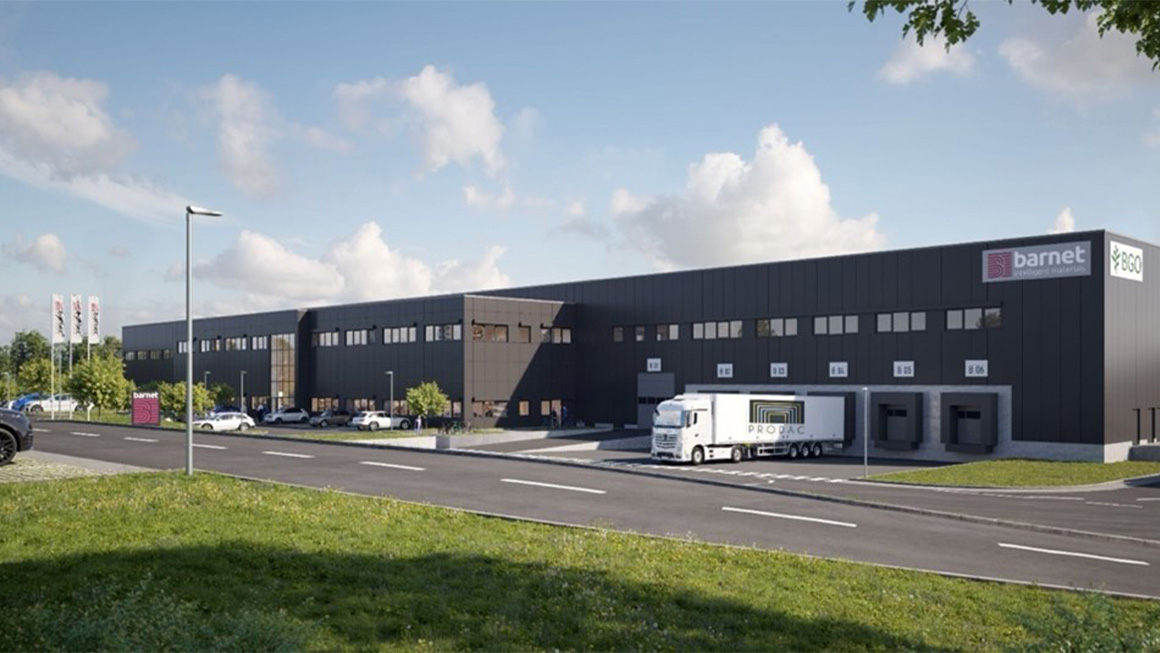
Bull has opened a new production building at its Angers factory in France, doubling capacity for supercomputers and AI infrastructure as part of an €80 million redevelopment of the computing site.
The 20,000 sq m building provides 10,700 sq m of production space and forms a major stage of a wider reconstruction programme due to finish in 2028. Bull is targeting a 30% increase in productivity alongside a 30% reduction in building maintenance costs, while reported output has already risen from six to 12 supercomputer racks a month.
Supercomputer manufacture combines repeatable assembly with project specific integration because each installation can use a different mix of processors, memory, interconnect hardware, power distribution and cooling. Racks must be assembled, configured and tested in a controlled sequence, yet the factory also has to accommodate changes in architecture as accelerator generations and customer workloads evolve.
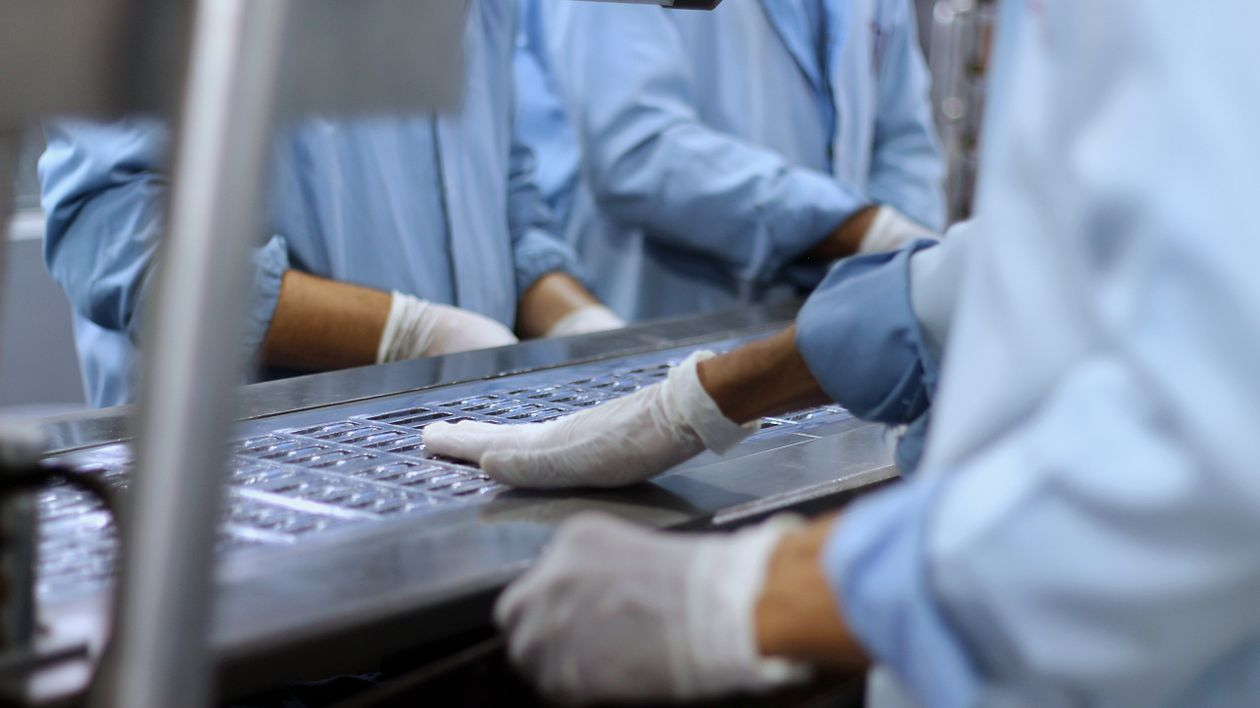
The new Angers production areas have therefore been designed to be reconfigurable rather than tied to a single fixed line, with Bull incorporating greater automation, virtualisation and collaborative robots into the building. Repetitive handling and assembly tasks can be standardised while engineers retain control over the system integration work that varies between programmes.
Large projects will test that arrangement quickly, with the factory contributing to systems including JUPITER and preparing future work for France’s Alice Recoque supercomputer and Finland’s LUMI AI infrastructure. Individual programmes consume substantial floor area during assembly and test, so additional capacity reduces the risk that one contract blocks the next because racks have nowhere to be integrated.
As AI systems place more power into each rack, electrical and thermal design become increasingly important inside the factory as well as at the final data centre. Dense accelerator systems may require liquid cooling, higher capacity power distribution and more demanding test procedures before shipment, meaning production equipment has to accommodate changes extending well beyond the electronics themselves.
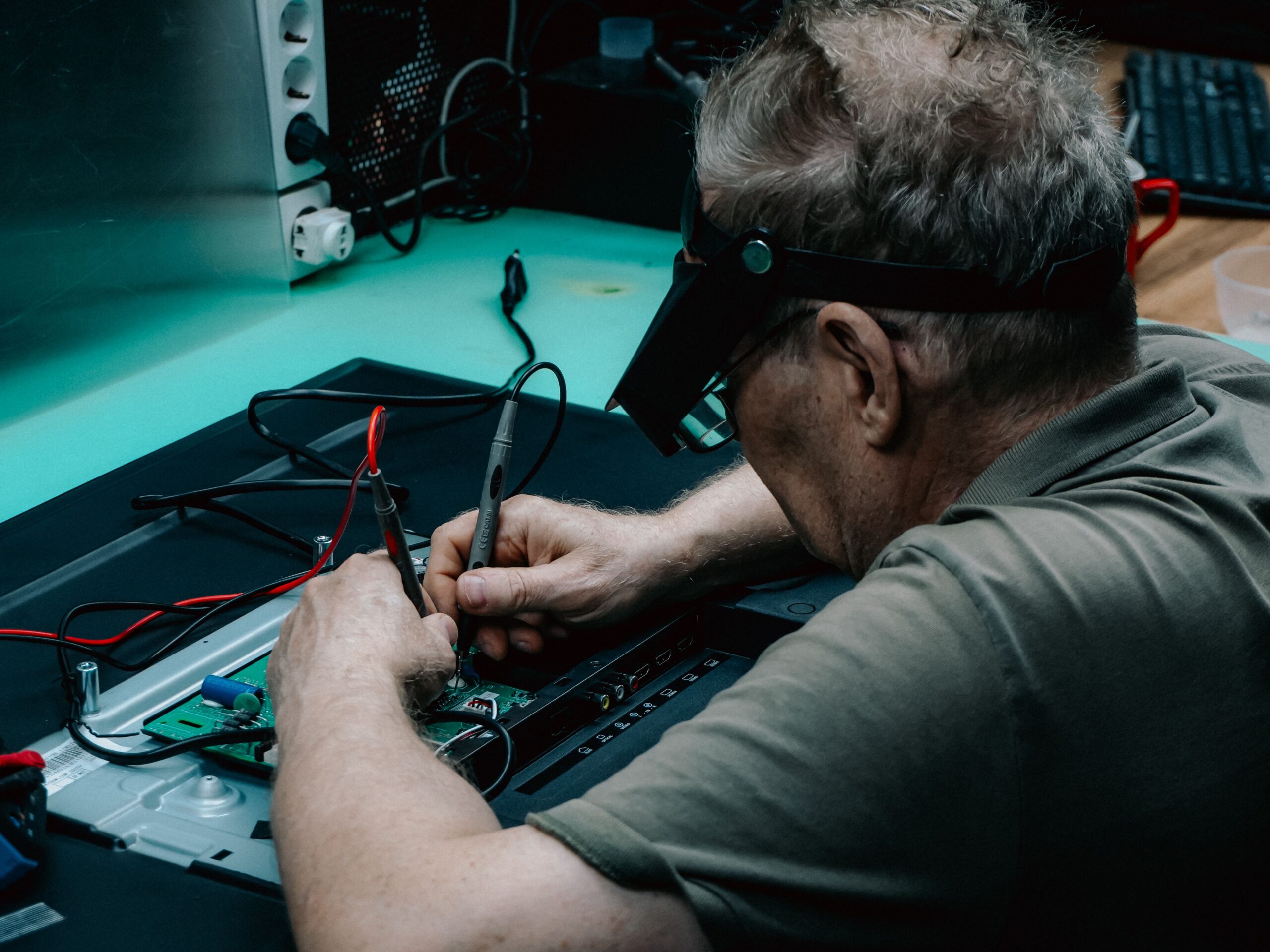
System level testing creates a temporary data centre load inside the manufacturing site because complete racks have to be powered, configured and exercised before acceptance. Electrical infrastructure, network connections and cooling therefore form part of the production process, while a constraint in test capacity can slow finished output even when mechanical assembly is running ahead.
Bull’s Open Factory programme is intended to make the Angers operation available to other developers of AI, high performance computing and quantum systems that have moved beyond prototype work but do not possess equivalent industrial infrastructure. External systems still have to pass through assembly, configuration, electrical checks, cooling validation and final acceptance, so the service extends well beyond providing manufacturing floor space.
The partnership with Foxconn provides one route into that model, with the companies planning European manufacture of AI servers based on Nvidia’s Vera Rubin NVL72 platform. Bull contributes system integration and factory capability, while Foxconn brings a much broader electronics manufacturing base that can support production further upstream.
Energy infrastructure has been incorporated into the redevelopment because computing hardware generates substantial heat during validation. More than 3,500 photovoltaic panels cover around 7,000 sq m and provide 1,500 kWp of peak capacity, while Bull is targeting recovery of 5 GWh of heat a year for the local district heating network.
Recovering heat turns part of the validation load into a useful output, although the production process still depends on sufficient electrical and cooling capacity being available when racks enter test. As system density rises, the infrastructure required per rack can increase even where the physical dimensions of the machine remain broadly similar.
Angers also places research and manufacturing in close proximity, with Bull saying around 800 research and development engineers contribute to technologies that eventually move through the site. Changes to rack design, cooling or system architecture can move into industrialisation without a lengthy transfer between separate engineering and production organisations.
The redevelopment increases both floor area and flexibility, while the 30% productivity target depends on assembly, configuration and test capacity improving together. Faster mechanical assembly cannot raise final throughput when racks subsequently wait for electrical or thermal validation, leaving the complete manufacturing route to determine how much useful output the expanded factory can sustain.
Output has already increased to 12 racks a month, and the large systems scheduled through Angers during 2027 will provide the next production test. Delivery of Alice Recoque and LUMI AI will show whether the additional space, automation and test infrastructure can maintain that higher rate as AI hardware places greater demands on integration and cooling.