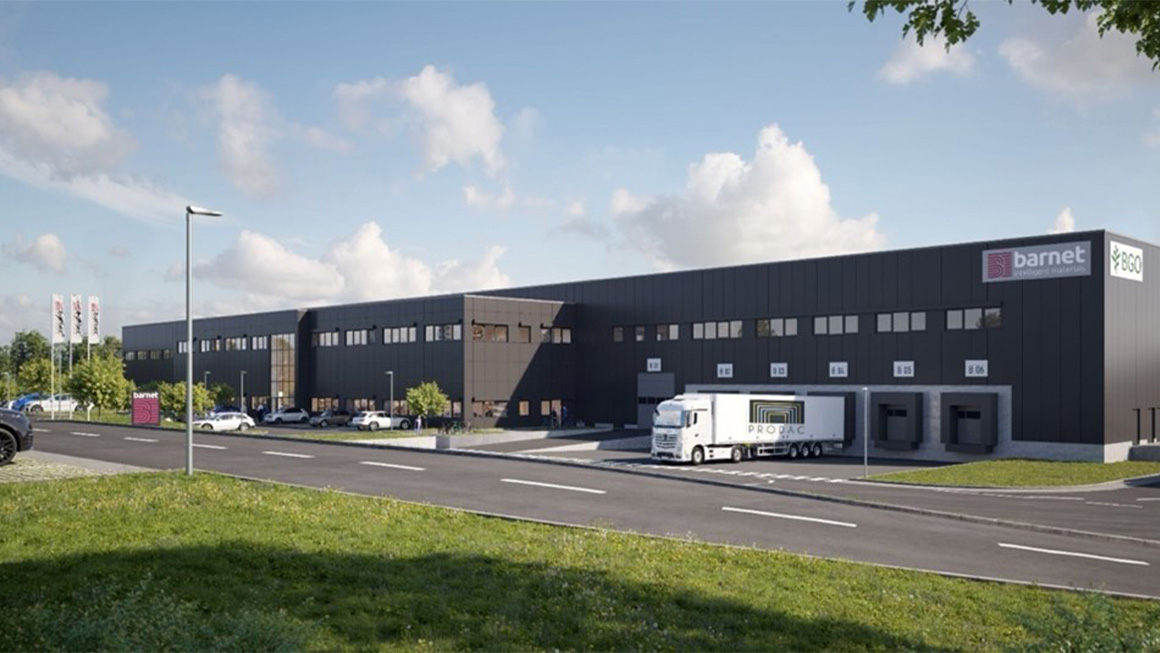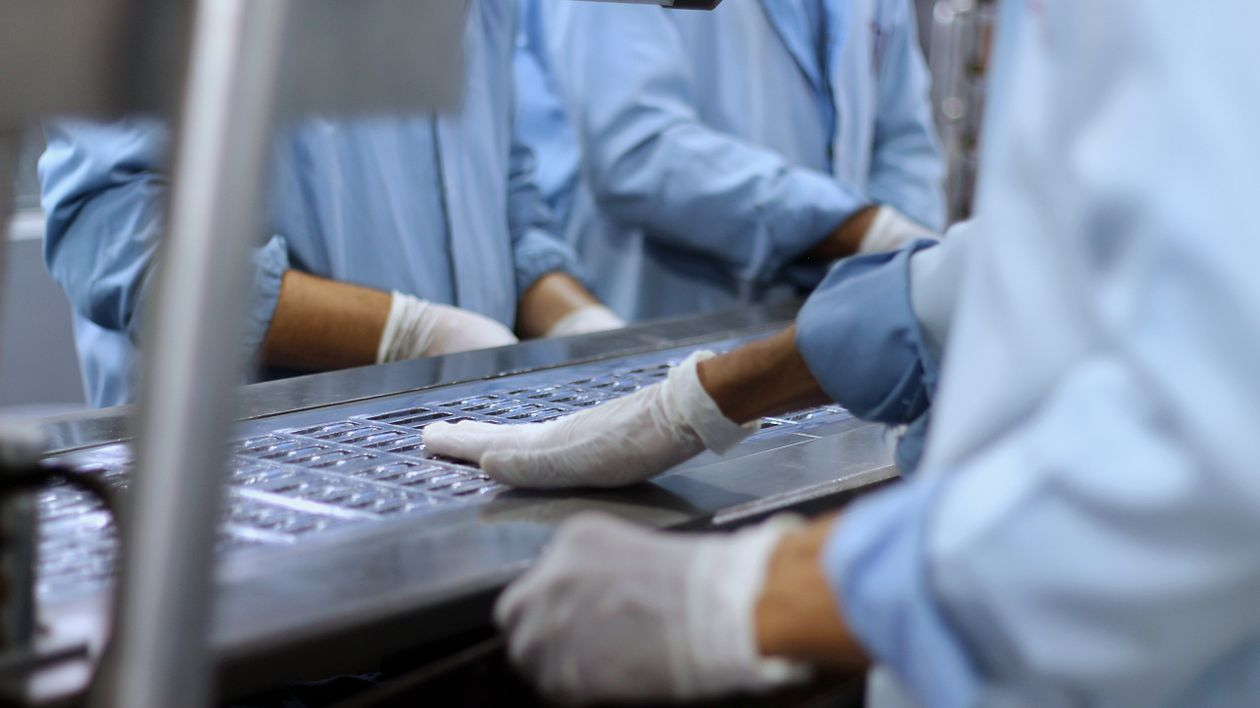
Authorities in Katwijk have approved permits for Eli Lilly and Company‘s planned $3 billion pharmaceutical manufacturing facility, advancing a project intended to expand European production of oral medicines and create around 500 permanent jobs.
The decision follows technical studies, public consultation and a positive binding recommendation from Katwijk’s municipal council on 1 October, after Lilly submitted its permit application in April. The company announced the investment in November 2025 and has said construction could begin towards the end of 2026 once the remaining project conditions are satisfied.
The factory will form part of the Leiden Bio Science Park and is intended to manufacture oral solid medicines across cardiometabolic health, neuroscience, oncology and immunology. Lilly has also identified the site as one of the planned manufacturing locations for orforglipron, its oral small molecule GLP-1 receptor agonist.
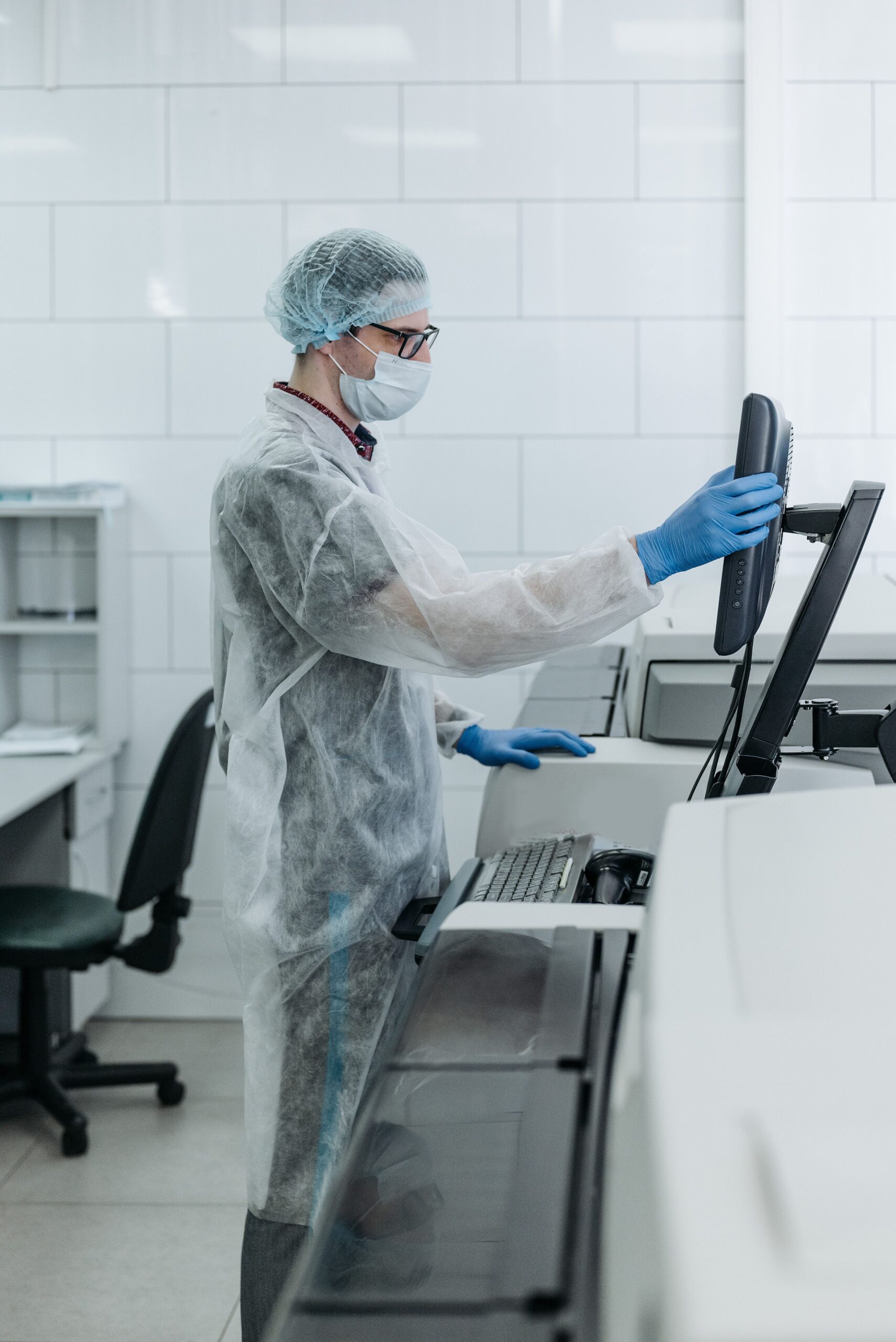
Several technologies planned for Katwijk are intended to reduce manual movement and increase process visibility, including dock to dock automation, automated material handling, paperless manufacturing systems, process analytical technology and spray-dried dispersion capability. Designing those systems into a greenfield plant allows production flow to be built around them rather than fitted around equipment and utilities installed for an earlier manufacturing model.
Automated material handling changes how ingredients and intermediate products move between receiving, dispensing, processing, storage and packaging, with identification and location data travelling alongside the physical material. Fewer manual transfers can reduce handling errors, although the automation itself has to remain synchronised with production because a failed vehicle, conveyor or control system can stop several downstream stages.
Paperless production moves the same discipline into batch records, where pharmaceutical manufacturers have to show which materials, equipment settings, operators and quality checks were involved in each lot. Electronic systems can capture data directly from equipment and prevent some process steps from being completed out of sequence, but the software and access controls must themselves be validated.
Process analytical technology places selected measurements closer to production, allowing material or process attributes to be monitored while manufacturing is under way instead of relying entirely on samples tested later in a laboratory. Faster information can support tighter process control when the measurement method has been shown to represent the attribute it is intended to track.
Spray-dried dispersion addresses poor water solubility in some active pharmaceutical ingredients by combining the active material with a carrier and atomising the mixture into a heated gas stream. Solvent is removed rapidly as the droplets dry, leaving particles that can then move into subsequent manufacturing stages for an oral medicine.
Feed composition, temperature, droplet size and drying conditions influence the resulting material, so the process has to reproduce the same operating conditions from batch to batch. Variation during spray drying can affect dissolution and later tablet or capsule manufacture even where downstream equipment is operating correctly.
Building those technologies into one site gives Lilly greater control over the relationships between material movement, processing and quality data, while increasing the amount of equipment that must work together before commercial production begins. Utilities, environmental systems, process machinery, laboratories, automation and electronic records all require installation and qualification as part of the start up sequence.
A highly automated pharmaceutical factory cannot simply bypass an unqualified system to maintain production because each stage has to operate within its approved state. Delays in software validation, clean utilities or environmental control can therefore hold back manufacturing even when the principal process equipment is mechanically complete.
The development is expected to create around 1,500 construction roles before supporting about 500 permanent jobs across engineering, operations, science and laboratory functions. Automation changes the tasks performed inside the plant, but maintenance, calibration, laboratory testing, quality review and investigation remain necessary whenever equipment or process data move outside expected limits.
Katwijk commissioned external assessments covering environmental, geotechnical and social issues during the permitting process, while a request for a local referendum was rejected before the council issued its recommendation. The size of the development means utility demand, traffic, construction activity and long term operation all extend beyond the production equipment inside the factory.
Once construction begins, Lilly will have to move through equipment installation, commissioning, qualification and process validation before medicine from the plant can enter commercial supply. The permit removes a major planning barrier, while manufacturing capacity will only exist once those systems operate together under validated conditions and repeatable batches begin leaving Katwijk.