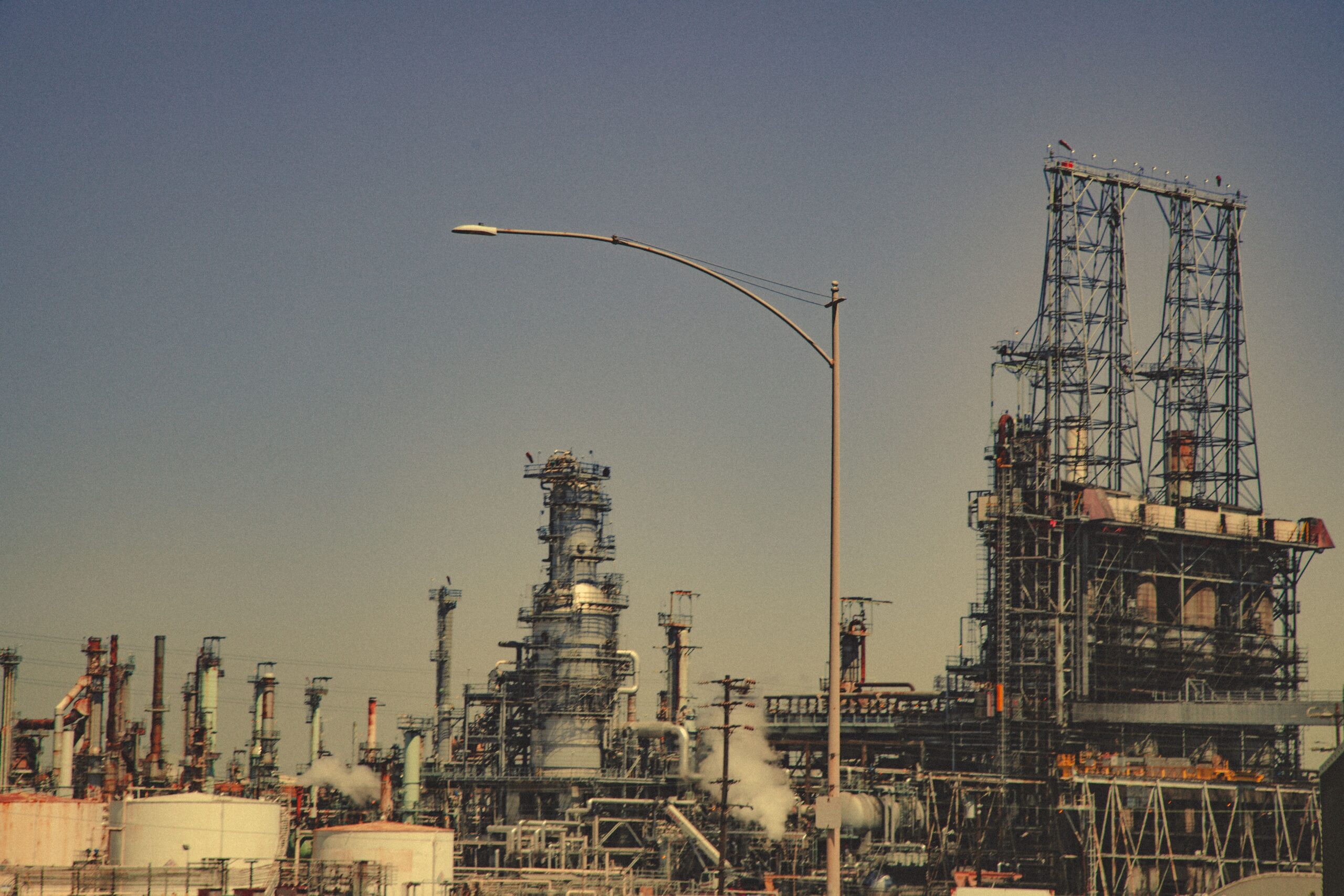
Avantium has completed the contractual close-out of the construction phase of its Delfzijl FDCA flagship plant with EPC partner Worley, resolving outstanding commercial and engineering matters as the company works to finance start-up and production ramp-up.
The agreement, signed on 29 September, addresses outstanding invoices and claims, responsibilities associated with remediation work, titanium welding matters, and the formal conclusion of the EPC relationship. It also establishes a framework for possible future cooperation between the two companies.
The close-out removes one source of uncertainty that followed the project through commissioning. Avantium encountered construction quality problems involving titanium welds in process piping, which required inspections and remediation before affected sections of the plant could move through commissioning.
Those issues added cost and delay to a project already carrying the normal risks of moving a new chemical process from pilot scale into commercial production. The contractual settlement does not complete that industrialisation task, but it defines responsibility for legacy construction matters more clearly as operational control moves fully towards Avantium.
The agreement follows the production of the first FDCA batch at Delfzijl. That milestone demonstrated integrated operation of the main process units, but the plant still has to produce further batches, complete customer qualification, and establish the stable operating conditions required for commercial deliveries.
First product is therefore the beginning of a different phase rather than the end of commissioning. Operators must demonstrate repeatable output, product quality, equipment reliability, maintenance requirements, and control stability while increasing operating duration. Those factors determine whether a first of its kind facility can move from technically producing material to manufacturing it consistently.
Avantium expects first commercial deliveries under existing offtake agreements towards the end of 2026. The company reports 23 offtake agreements linked to material from the flagship plant, alongside 17 capacity reservation agreements representing more than 150,000 tonnes of potential annual production capacity from future licensed facilities.
Delfzijl consequently matters beyond its own 5,000 tonne annual design capacity. The plant is intended to establish commercial operating evidence for Avantium’s YXY technology, which converts plant derived sugars into furandicarboxylic acid. FDCA can then be used to manufacture polyethylene furanoate, or PEF, which Avantium markets under the releaf brand.
Reliable operating data is central to the licensing strategy because future facilities are expected to be substantially larger than the flagship plant. Potential licensees need evidence covering yields, equipment behaviour, purification, maintenance, product consistency, and process economics before committing capital to higher capacity.
The engineering programme now sits alongside a more immediate financing requirement. Avantium reported first-half 2026 revenue of €4.7 million, EBITDA of minus €18.8 million, and cash including restricted cash of €23.9 million at the end of June. Its interim statements include a material uncertainty related to going concern and identify additional funding, plant start-up, product sales, and compliance with existing debt conditions among the assumptions supporting continued operation.
The company is preparing a financing package consisting of an intended equity raise of at least €55 million and a proposed €20 million Nij Begun facility. Discussions with shareholders, prospective investors, financial institutions, and regional stakeholders are continuing, with the equity transaction currently expected to launch during the fourth quarter subject to approvals and stakeholder decisions.
That links the manufacturing programme closely to the balance sheet. A first of its kind process plant consumes cash while production is stabilised, customers qualify material, and sales remain below eventual capacity. Delays increase that burden because staff, utilities, maintenance, financing, and technical work continue before the asset generates its intended revenue.
Avantium has been reducing expenditure elsewhere while protecting the FDCA programme. The company says its workforce has fallen by about 15% over the past 12 months through restructuring, portfolio changes, and technology spin-outs, while management concentrates resources on FDCA and PEF commercialisation.
The Worley settlement therefore matters because it closes a group of unresolved construction exposures just as Avantium approaches investors for additional capital and moves the plant into commercial qualification. The next evidence will come from longer operating runs, customer qualification, product sales, and the completion of the financing package.
Delfzijl still has substantial work ahead, but the division between building the plant and operating it is becoming clearer. With the EPC close-out completed, the industrial risk now shifts more decisively towards whether the process can deliver dependable production and support the larger licensed plants on which Avantium’s commercial model depends.