Bentley Motors has completed £350 million of investment at its Crewe manufacturing site as the company prepares to build its first fully electric model, the Torcal. The programme has delivered new manufacturing, design and logistics capabilities alongside workforce training, with the new vehicle due to be designed, engineered and produced in Britain.
The investment supports around 4,000 existing jobs at Crewe and forms part of the wider transformation of Bentley’s Pyms Lane campus. The company has progressively reworked the site for electric vehicle production, including changes to the A1 building for future assembly and investment in new paint and quality facilities. Completion of the £350 million programme brings those projects into a single manufacturing platform tied directly to the Torcal launch.
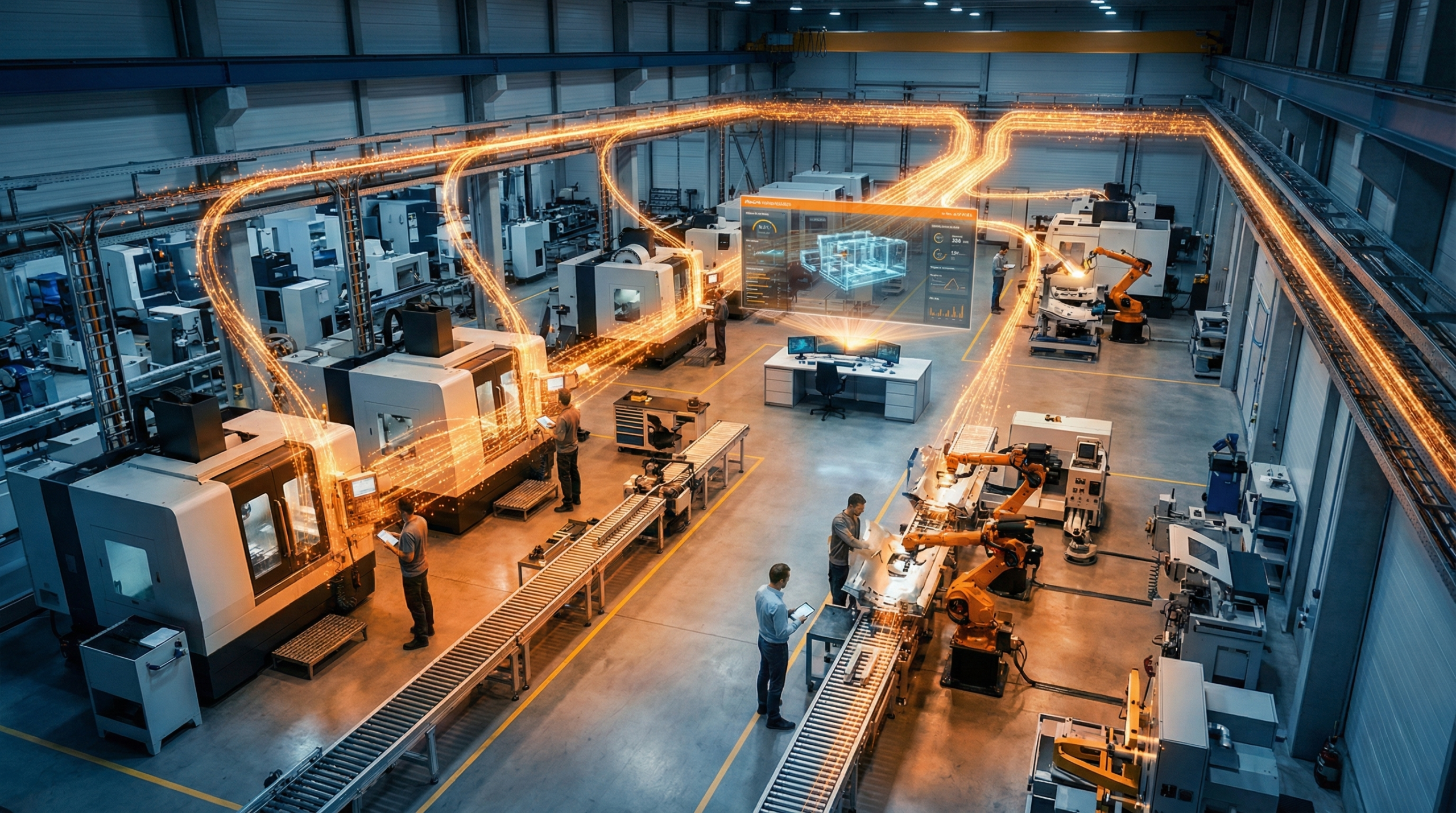
Crewe is being asked to support two transitions at once. Bentley is changing the propulsion technology of its future products while also changing the way vehicles move through design, manufacturing and logistics operations on the site. The production system still has to accommodate extensive customer specification, craft processes and a high degree of model variation, even as battery, power electronics and software content increase.
The Torcal will be the first fully electric Bentley produced at Crewe, creating new requirements around battery integration, electrical architecture, end of line verification and workforce competence. Bentley has described its future factory model as digital, flexible and high value, reflecting the need to combine traditional low volume manufacturing with new powertrain and software systems. The completed investment gives the company a physical base for that transition rather than leaving electrification dependent on product engineering alone.
The site changes have been delivered over several years rather than through one construction project. Bentley has adapted the A1 building for future electric assembly while adding quality and paint capacity elsewhere on the campus. That staged approach allows existing vehicle production to continue while new process capability is installed, but it also requires legacy operations and future systems to coexist during the transition.
The announcement also forms part of a broader period of UK automotive investment. Government figures put the combined value of recent announcements from Bentley, McLaren and Nissan at just over £1 billion across seven days, with Bentley accounting for £350 million of that total. The programmes differ in scope, but all involve capital being committed to retain vehicle engineering and manufacturing capability in Britain as product portfolios change.
Flexible manufacturing will become increasingly important while combustion, hybrid and fully electric models coexist rather than moving through a clean one for one replacement cycle. Assembly, logistics and quality systems need to handle a changing product mix without creating excessive duplication of equipment or process steps. That places more value on adaptable tooling, digital production control and workforce training than a conventional model change built around one stable architecture.
The skills element is equally practical. Electric vehicle production introduces high voltage safety requirements, new diagnostics and different testing disciplines, while increased software content changes the work carried out in engineering and quality functions. Training alongside investment in buildings and equipment reduces the risk of installed capacity running ahead of the people required to operate it, particularly at a site where much of the value added depends on specialist production knowledge.
Bentley’s Crewe programme also changes purchasing requirements across its UK supply chain. Electric vehicle programmes replace or supplement mechanical systems with batteries, power electronics, electrical distribution, thermal management and software intensive control systems. Suppliers that have historically served premium combustion engine vehicles therefore face a mixture of new demand and declining legacy content, making the pace and localisation of new model programmes commercially important.
The completed programme also gives Bentley a clearer basis for future model allocation at Crewe, because the site now contains the production, logistics and workforce capability required for its first fully electric vehicle.
The £350 million programme does not settle the rate at which premium customers will move to battery electric vehicles, and Bentley has previously adjusted the cadence of its longer term electrification plans in response to market conditions. It does, however, establish the manufacturing base from which the company can launch its first fully electric model while retaining Crewe as the centre of design, engineering and production. With the capital programme complete, the next test moves from construction and installation to production readiness, launch execution and utilisation of the new capabilities.