Hexagon has agreed to acquire Leicester-based Guidance Marine, adding relative-positioning sensors for vessels to its existing portfolio of satellite navigation, correction, anti-jamming, and assured-positioning technologies.
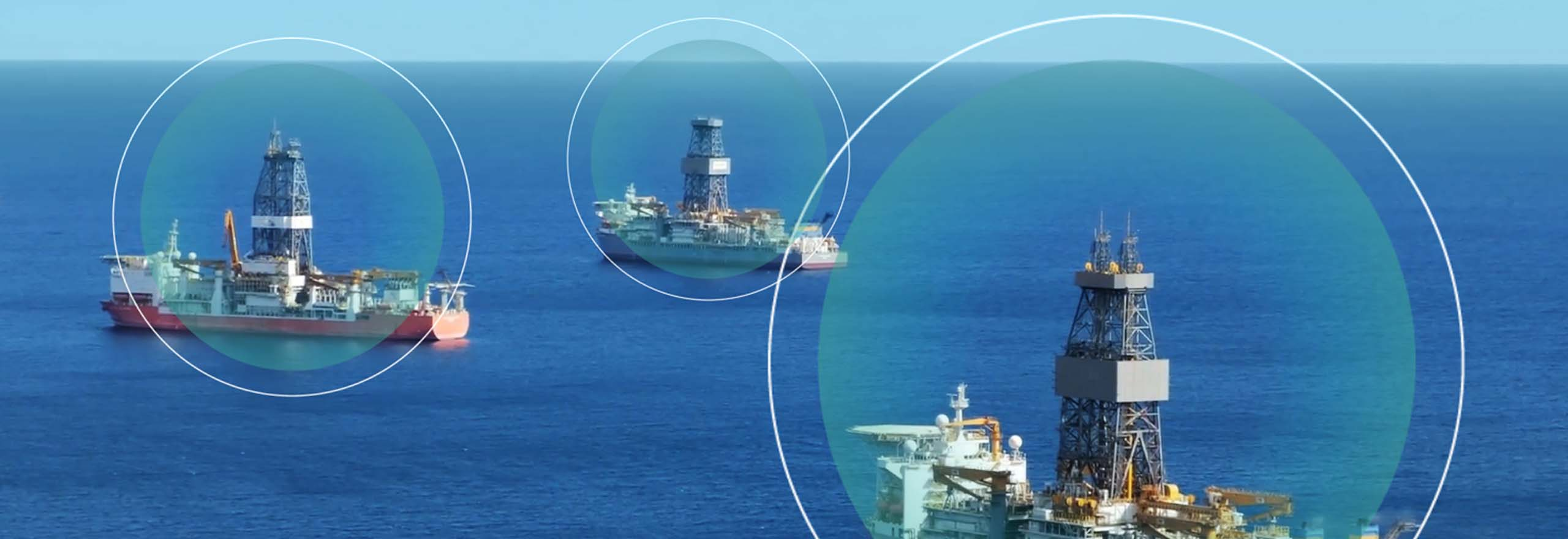
Guidance Marine develops radar, laser, vision, and microwave-based sensing systems that measure a vessel’s position relative to nearby structures or other vessels. The technology is used where crews and automated control systems need to hold station or manoeuvre close to offshore platforms, wind turbines, quaysides, floating assets, and other ships. Its products are integrated with major dynamic positioning systems, which use propulsion and control systems to maintain a vessel’s position without anchoring.
Founded in Leicester in 1991, Guidance Marine now serves customers in more than 40 countries. The business generated revenue of about €22 million in the financial year ended 31 December 2025, with an operating margin above Hexagon’s group average. Financial terms for the transaction have not been disclosed.
Completion is expected by the end of 2026, after which Guidance Marine is due to become part of Hexagon’s NovAtel Positioning Division within its Autonomous Solutions business area. The deal combines two different layers of position information: Hexagon’s existing systems establish absolute position using technologies including GNSS, while Guidance Marine’s sensors provide local position relative to the structures and hazards surrounding a vessel.
That distinction becomes critical in close-quarters marine operations. Satellite navigation may establish where a vessel is globally, but station-keeping alongside an offshore installation demands a dependable local reference capable of tracking relative movement to a specific structure. Guidance Marine’s portfolio includes laser and radar position-reference systems designed for those tasks, alongside targetless sensing that can use features in the surrounding environment rather than relying only on installed reflectors or transponders.
The Leicester company has developed products including its CyScan, RadaScan, and SceneScan families. SceneScan uses laser sensing to track natural or man-made structures in the sensor’s field of view, while the wider product range is designed to feed position-reference data into dynamic positioning systems. These systems occupy a practical overlap between navigation equipment, industrial sensing, embedded processing, and vessel automation.
Offshore wind construction and maintenance, marine infrastructure, port automation, naval operations, and increasingly autonomous vessels all require dependable position information close to physical assets. Tighter operating tolerances increase the value of multiple independent position sources, particularly where GNSS can be degraded, obstructed, jammed, or otherwise unavailable. Hexagon already sells anti-jamming and assured-positioning technologies, so Guidance Marine broadens the number of sensing methods available within the same portfolio.
The transaction also fits a wider pattern of consolidation around marine sensing and positioning. Rosenxt’s acquisition of subsea positioning specialist Zupt in July brought metrology, survey engineering, inspection, and autonomous systems into another larger industrial technology group. The markets are not identical, but both deals put specialist positioning capability inside broader navigation and autonomy platforms.
There is a manufacturing and integration dimension as well. Guidance Marine is a UK engineering and maritime technology supplier whose products combine sensing hardware, embedded processing, software, environmental protection, and interfaces to third-party dynamic positioning systems. Bringing the company into a larger measurement-technology group could simplify product integration while widening access to Hexagon’s existing navigation, software, and autonomy channels.
The deal transfers an established Leicester engineering capability into a Swedish-listed measurement and autonomy group rather than creating a new technology line from scratch. Guidance Marine has operated under several ownership structures and names, including a period as Wärtsilä Guidance Marine, but remains headquartered at Meridian Business Park in Leicester.
Hexagon’s strategic interest is larger than Guidance Marine’s €22 million revenue contribution. Absolute navigation and local machine perception increasingly need to work together when vessels operate close to turbines, platforms, ports, or other assets, and dynamic positioning systems already depend on multiple reference inputs because close-proximity operations do not tolerate casual assumptions about position.
That requirement will become more demanding as offshore projects use greater levels of automation and vessels are expected to work closer to infrastructure with fewer manual interventions. Redundancy, sensor fusion, and confidence in position data then become part of the control architecture rather than optional navigation features.
Guidance Marine is expected to join Hexagon before the end of the year, subject to completion of the transaction. The integration will be judged on whether the combined portfolio can turn several positioning technologies into a coherent system rather than merely a longer catalogue — a practical distinction for operators whose vessels have to maintain position in metres and centimetres, not marketing categories.