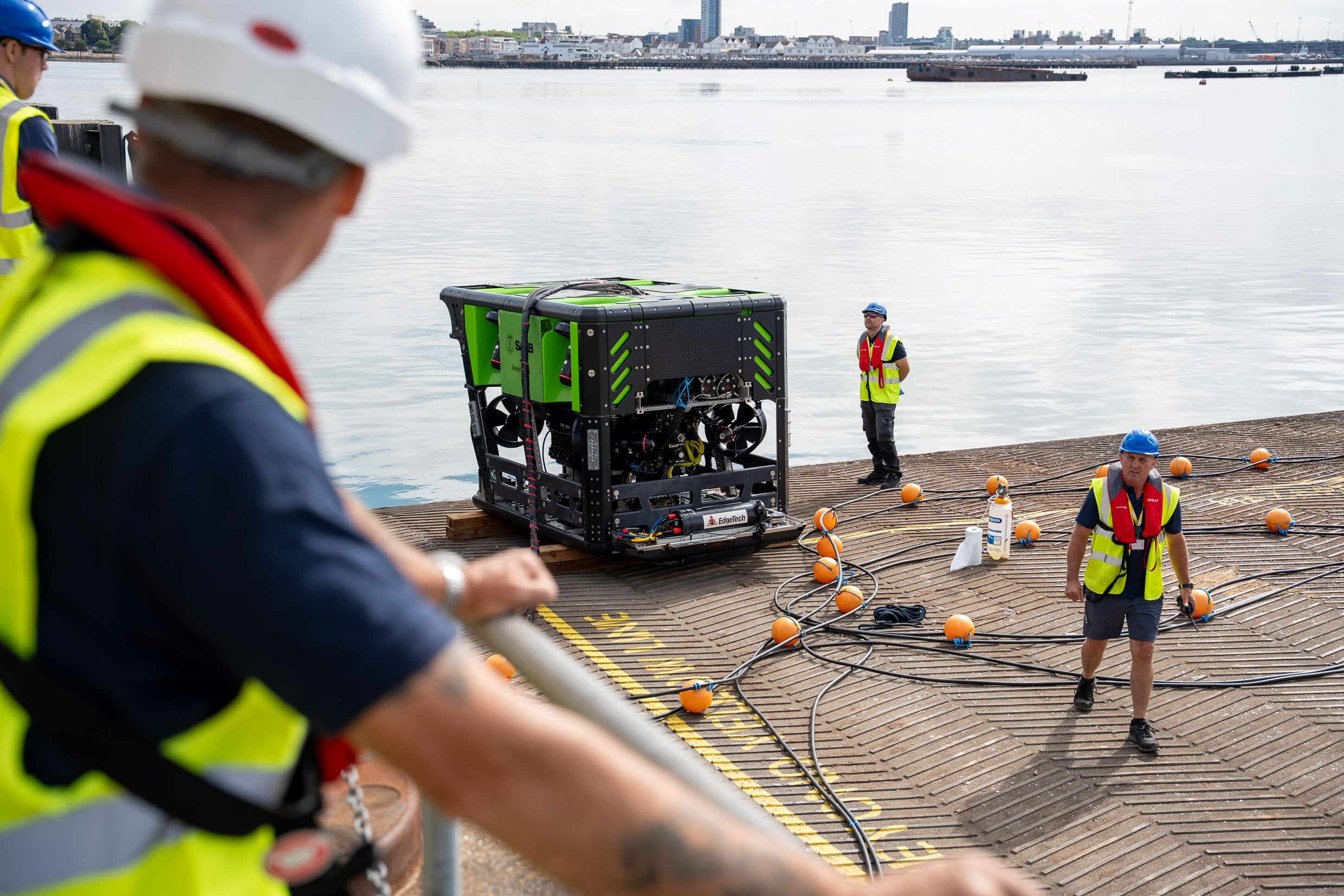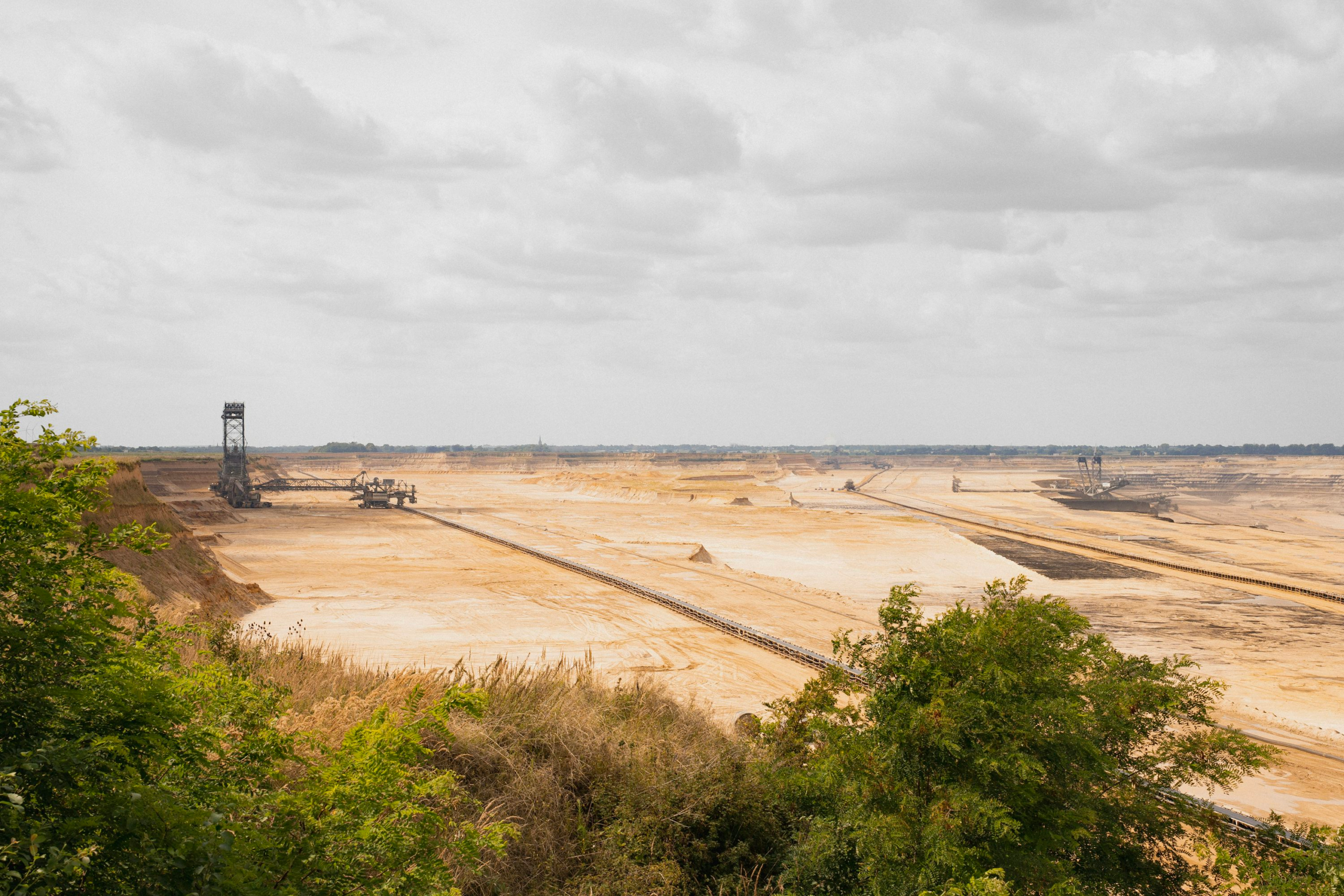
The National Wealth Fund has announced an investment package of up to £71 million to support the restart of the Hemerdon tungsten and tin mine in Devon, combining state equity with lending and giving government an exclusive period to negotiate for up to half of planned tungsten production.
Tungsten West, which owns the mine near Plymouth, is set to receive a £36 million equity investment through the fund’s subscription for 100 million new ordinary shares at 36p each. The company’s regulatory announcement says the financing also includes a committed debt facility of up to £25 million and an additional uncommitted £10 million accordion, accounting for the fund’s headline lending capacity of up to £35 million.
The equity issue is expected to leave the National Wealth Fund with about 7.42% of voting rights after admission of the new shares. Tungsten West plans to use the proceeds for construction, commissioning and processing work required for the restart, while part of the financing will repay a short-term facility used to carry the project towards initial production.
Hemerdon is a brownfield restart rather than a new mine built from an untouched site. Tungsten West says more than US$300 million was invested previously in infrastructure including crushing circuits, site offices, power supply and access roads, leaving the current project with a substantial installed base but also the task of correcting problems that contributed to the previous operation ceasing production in 2018.
The company acquired the asset in 2019 and has since revised the process design, completed feasibility work and undertaken capital improvements. Its current project timetable shows fine gravity circuit work targeted during the third quarter of 2026 and coarse circuit work during the fourth quarter, with full commissioning of nameplate capacity beginning in the first quarter of 2027 and steady-state production targeted for the second half of the year.
The National Wealth Fund describes Hemerdon as one of the world’s largest tungsten resources and links the investment to Britain’s dependence on imported supply. Tungsten is used in applications including cutting tools, aerospace, defence, electronics and high-temperature equipment, where its hardness and heat resistance make substitution difficult for some components.
Recent export controls have increased government concern around concentrated sources of critical minerals. Restrictions on strategic recycled material exports have also demonstrated how policy can tighten around tungsten-bearing material. The Hemerdon package adds a commercial lever alongside the investment: an exclusive negotiation period under which the UK Government can seek an offtake agreement for up to 50% of the tungsten production stated in the project’s 2025 feasibility study.
Any eventual offtake agreement would be negotiated separately from the National Wealth Fund investment. It could give domestic users a more direct route to British material, although restarting the mine does not by itself establish downstream refining, conversion or component capacity inside the UK. Tungsten supply chains extend well beyond extraction, and secure ore production is only one stage between a mine and a qualified industrial product.
Oliver Holbourn, chief executive of the National Wealth Fund, said: “There is strong and increasing global demand for Tungsten, supported by its strategic applications in defence, next generation energy and aerospace.” He said the investment was intended to unlock a domestic supply and support a strategic asset for UK industry.
The project is expected to support around 350 direct jobs once fully operational, with additional demand for contractors, transport, maintenance and other services in the South West. The fund has also invested in Cornish Metals and the South Crofty tin mine, adding another major critical-minerals development in a region where mining skills, engineering services and processing capability can serve more than one project.
That clustering can help suppliers and skills providers justify investment where individual mines would struggle to support dedicated capacity. It does not remove the execution risk at Hemerdon. Mining rate, ore variability, plant recovery, maintenance performance and product quality all have to reach the assumptions used in financing models before a strategic resource becomes dependable industrial supply.
The difference between commissioning and stable output is particularly relevant given Hemerdon’s history. The National Wealth Fund says Tungsten West is targeting ramp-up to full-scale production in the first quarter of 2027, while the company’s own timeline describes Q1 as the start of full nameplate commissioning and the second half of 2027 as the period for steady-state production. The two statements describe different points in the same production ramp rather than an instantaneous switch to full output.
State backing removes a large financing obstacle and adds government as a long-term shareholder, but capital availability cannot solve processing or ramp-up problems by itself. Hemerdon’s next useful milestones will be completion of the plant improvements, commissioning data and sustained recovery rates. Those results will determine whether a resource described as strategically important can deliver the consistent tonnes that UK users would actually be able to buy.