Bakers Basco has recovered 342 pieces of reusable bakery equipment during operational visits to the Isle of Man and Isle of Wight, returning its investigations team to both islands after an absence of almost two decades.
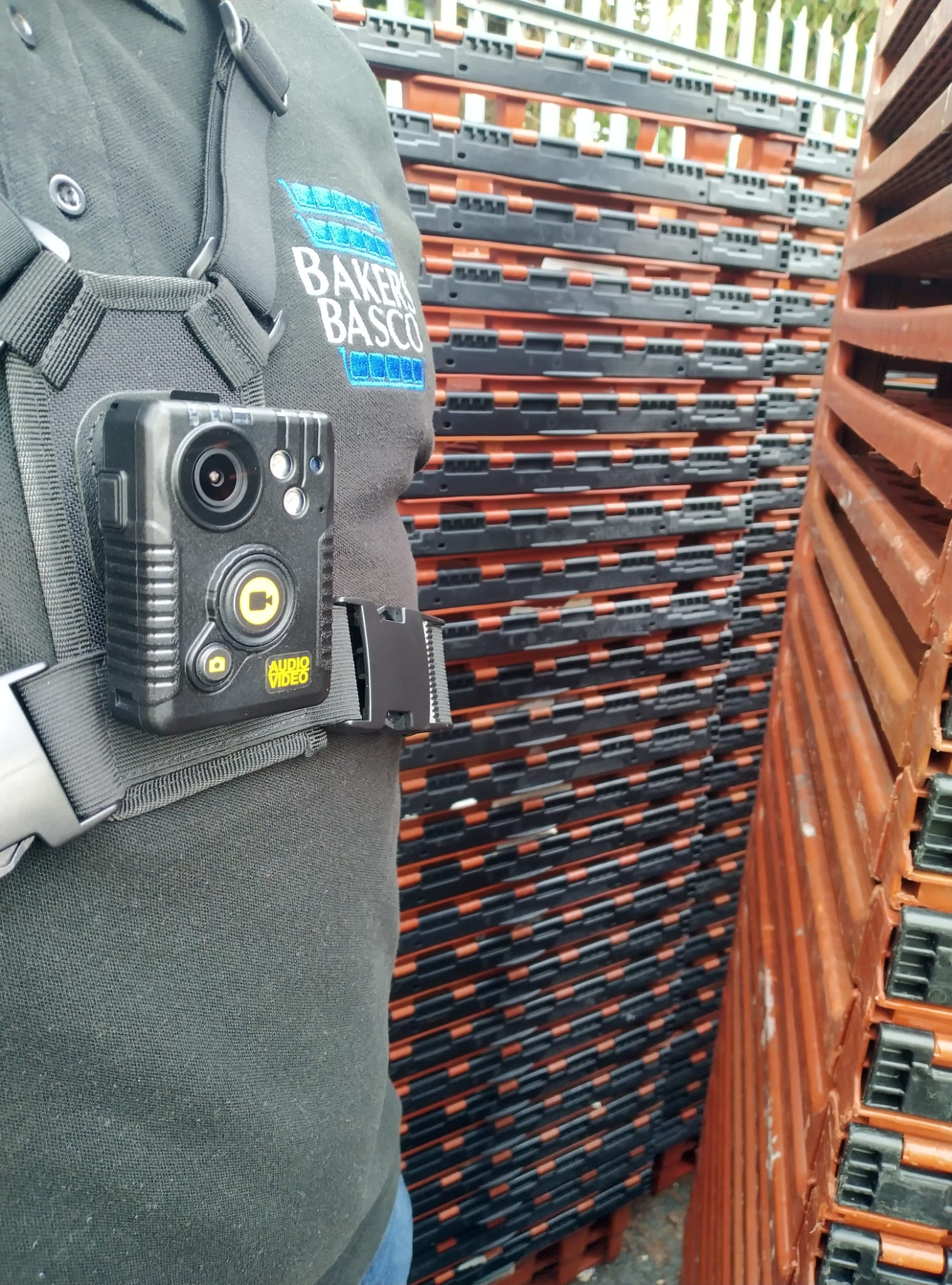
The visits examined how the company’s Omega bread baskets and dollies move between bakeries, logistics operators, retailers, and other authorised users. Investigators recovered 81 baskets and one dolly from unauthorised locations on the Isle of Wight, while 253 baskets and seven dollies were recovered on the Isle of Man.
The equipment forms part of a reusable distribution pool rather than disposable packaging. Baskets and dollies are intended to circulate repeatedly between bakery production sites and customers, which means their value depends on returning through the system quickly enough to support the next delivery cycle.
On the Isle of Wight, Bakers Basco found that most equipment supplied to retailers was being returned to the mainland through the intended channels. The recovered items nevertheless showed that a proportion had remained outside the authorised system at locations that were not entitled to retain them.
The Isle of Man presented a larger recovery and a different operational problem. The company’s investigators had not visited the island for 18 years, and Bakers Basco said many businesses encountered during the work were unfamiliar with the organisation and its role in managing reusable bakery equipment.
That loss of familiarity can become significant once equipment moves several steps away from the supplying bakery. A robust plastic basket may appear to be ordinary reusable storage to a business with no direct relationship with Bakers Basco, even though it remains an identifiable industrial asset expected to return to the bakery distribution pool.
Stacey Brown, Investigations Manager at Bakers Basco, said: “These visits were primarily about understanding how bakery equipment is moving around both islands and identifying where improvements can be made. It was encouraging to see good practices in many areas, but we also identified equipment being retained outside authorised supply chains.”
Bakers Basco intends to increase the frequency of its visits to the Isle of Man following the findings. The company is applying an approach it says has already improved recovery performance in Northern Ireland, where more regular investigations have increased contact with businesses holding equipment and shortened the interval between losses and recovery activity.
Reusable transit packaging creates a different asset-management problem from conventional one-way packaging. A basket that disappears has not necessarily been destroyed, but it is no longer available where the owner needs it. Maintaining the pool can therefore require replacement equipment even while apparently serviceable assets are sitting elsewhere in the supply chain.
The economics become more demanding when large numbers of relatively low-value items are distributed across thousands of locations. Tracking every basket individually may cost more than the equipment warrants, while failing to investigate recurring losses eventually increases the size of the replacement pool required to maintain service levels.
Bakers Basco combines site investigations with ownership markings and asset-tracking technology. Its wider recovery operation uses engagement with businesses, physical recovery work, and legal enforcement where necessary, while tracking devices can be placed within the equipment pool to identify unusual movements or repeated loss locations.
Bakery distribution is especially exposed because equipment leaves high-volume production plants and enters a dispersed retail network every day. The outbound leg carries saleable bread and bakery products, giving every participant an obvious reason to move the load efficiently. Empty baskets returning in the opposite direction carry no consumer product, making the reverse flow easier to neglect.
Island logistics add another layer. Equipment moving to the Isle of Man or Isle of Wight is physically separated from the mainland pool and may pass through additional consolidation and transport stages before returning. Individual losses can therefore remain relatively inconspicuous until enough equipment has accumulated to justify a dedicated investigation.
The environmental case for reusable packaging also depends on controlling those losses. Manufacturing a robust basket only delivers a resource benefit if it remains in circulation for enough journeys to offset the material and energy used to make it. Premature loss undermines that calculation because replacement equipment has to be produced while the original asset may still exist elsewhere.
Bakers Basco’s published material describes Omega equipment as reusable transit packaging intended to operate for many years before recycling. That long service life makes recovery commercially useful, but the same durability also means baskets can be attractive for storage, materials handling, or unrelated transport after they leave the authorised bakery system.
The 342 recovered items are a small fraction of the wider national pool, yet the two visits show how equipment leakage can persist when physical contact with a region becomes infrequent. Bakers Basco’s planned return to more regular Isle of Man investigations is intended to reduce that interval, increase awareness, and return equipment before unauthorised retention becomes routine.
The more useful measure will not be another large recovery total. A better result would be fewer baskets available to recover because the return flow is functioning properly in the first place.