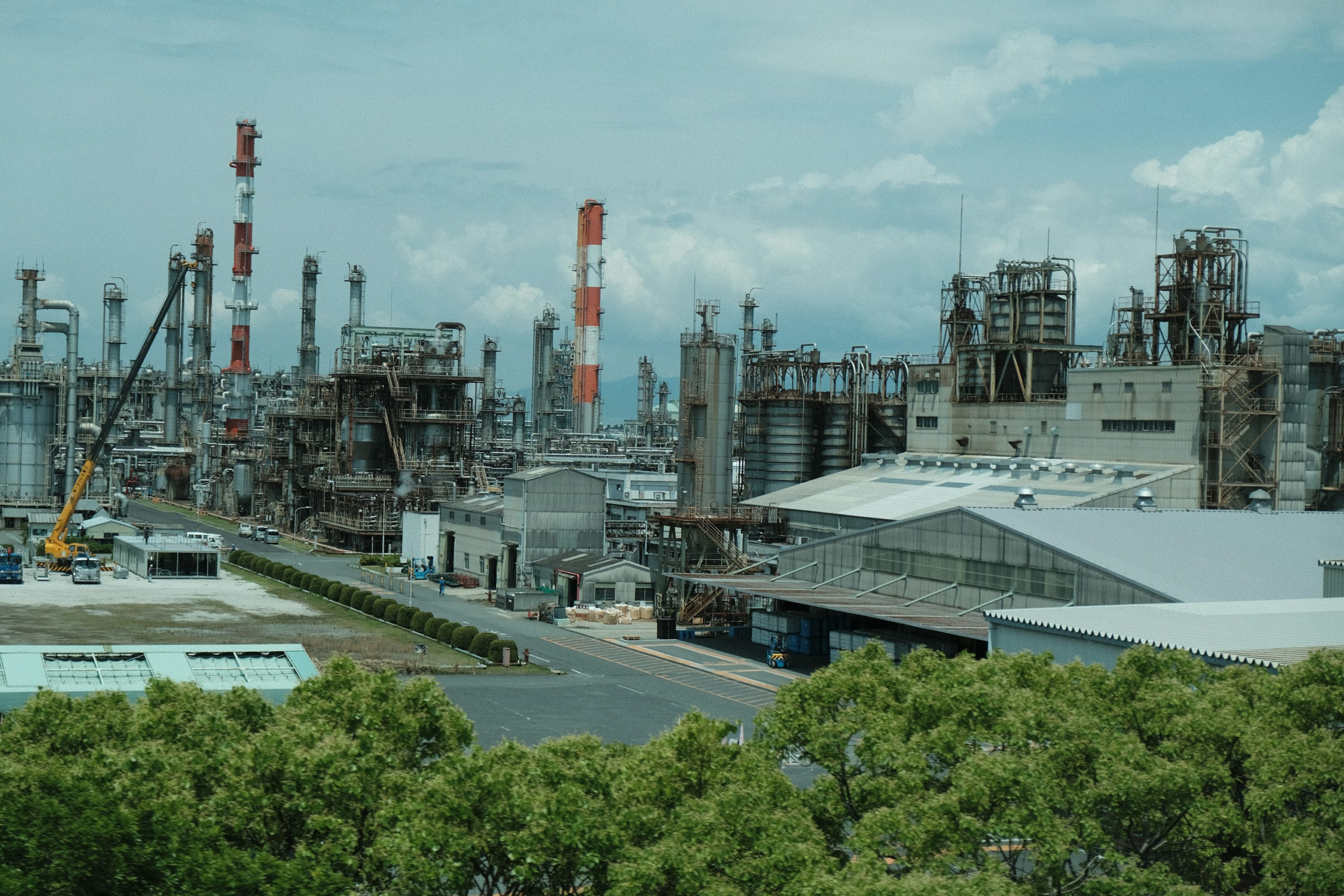
Sunfire is developing a solid-oxide electrolysis test facility at Industriepark Lausitz in Schwarzheide, using the BASF-operated industrial site to validate high-temperature hydrogen technology under sustained operating conditions.
The Dresden electrolyser manufacturer plans to commission the installation before the end of 2026. Its purpose is not simply to demonstrate that hydrogen can be produced by SOEC technology, but to gather longer-term operating evidence needed before the same architecture is deployed more widely in large industrial projects.
Sunfire’s solid-oxide electrolysis cells operate at temperatures of around 850°C and use steam as the process feed. The high-temperature approach allows part of the energy needed to split water to enter the process as heat rather than electricity, creating a potential efficiency advantage where suitable steam or recoverable industrial heat is available.
The company expects its latest SOEC generation to achieve electrical efficiency of up to 89% on a lower-heating-value, alternating-current basis. Earlier generations have already demonstrated lower but still high efficiency, leaving the Schwarzheide project focused increasingly on durability, repeatability, plant integration, and operation outside a development laboratory.
That transition matters because an electrolyser stack is only one part of an industrial hydrogen plant. Commercial installations also require power conversion, steam supply, heat recovery, gas separation, cooling, water treatment, instrumentation, controls, piping, safety systems, and maintenance arrangements capable of operating together for thousands of hours.
High-temperature electrolysis introduces particular engineering demands. Thermal expansion has to be managed across stacks, piping, seals, insulation, and heat exchangers, while repeated start-up and shutdown cycles can impose stresses that are much less visible during short laboratory campaigns.
The attraction is strongest where industrial processes already provide useful thermal energy. Chemical plants, refineries, synthetic-fuel facilities, steel operations, and other energy-intensive sites can potentially supply steam or heat that would otherwise have to be generated specifically for hydrogen production.
Industriepark Lausitz provides a practical environment for that work. BASF InfraService & Solutions Lausitz operates the Schwarzheide site and provides utility and infrastructure services to chemical and industrial users, giving Sunfire access to the operating conditions, site interfaces, and support systems that accompany deployment inside a working industrial complex.
Those interfaces often determine whether a promising electrolyser performs as expected once installed. Power quality, available steam conditions, cooling capacity, water specification, control-system communication, site safety rules, gas handling, and maintenance access all influence the efficiency and availability of the complete plant.
Long-duration testing is therefore valuable even when the underlying electrochemistry is already established. Degradation may emerge gradually through stack materials, seals, thermal cycling, contamination, or balance-of-plant equipment, while operational constraints can become visible only after the system has moved through repeated load changes and shutdown sequences.
Sunfire’s SOEC development has been supported through Germany’s H2Giga programme, which has focused on industrialising electrolysis technology and moving manufacturing towards larger standardised systems. The company says the Schwarzheide facility builds on that work and will contribute to technological maturity for larger deployments.
The programme also reflects a wider change in the electrolyser market. Early projects were frequently judged by installed megawatts and headline efficiency, but industrial customers increasingly need evidence around lifetime output, service intervals, stack replacement, system availability, and the cost of running the equipment under realistic load profiles.
Those factors can have more influence on hydrogen economics than a marginal improvement in peak efficiency. An electrolyser that performs exceptionally well during steady operation but requires frequent shutdowns, lengthy maintenance, or expensive component replacement can lose much of its theoretical advantage over a simpler competing system.
Industrial hydrogen developers therefore face a trade-off between efficiency and operational complexity. SOEC potentially reduces electricity consumption, particularly where steam is available, but its higher temperatures and associated thermal systems create requirements that lower-temperature alkaline or PEM technology handles differently.
The Schwarzheide test plant gives Sunfire an opportunity to quantify those differences before customers commit much larger sums to commercial plants. Operating at a chemical industrial site also allows the company to test how effectively its technology can be integrated with the utilities and working practices of the sectors it ultimately wants to serve.
Commissioning will mark the start rather than the conclusion of that work. The useful evidence will come from the months of operation that follow, when stack degradation, thermal performance, controls, maintenance requirements, and overall plant efficiency can be measured repeatedly rather than inferred from a short demonstration.
For high-temperature electrolysis, the technology case is increasingly well understood. The industrial case now depends on proving that the efficiency advantage survives the much less forgiving environment of a working plant.