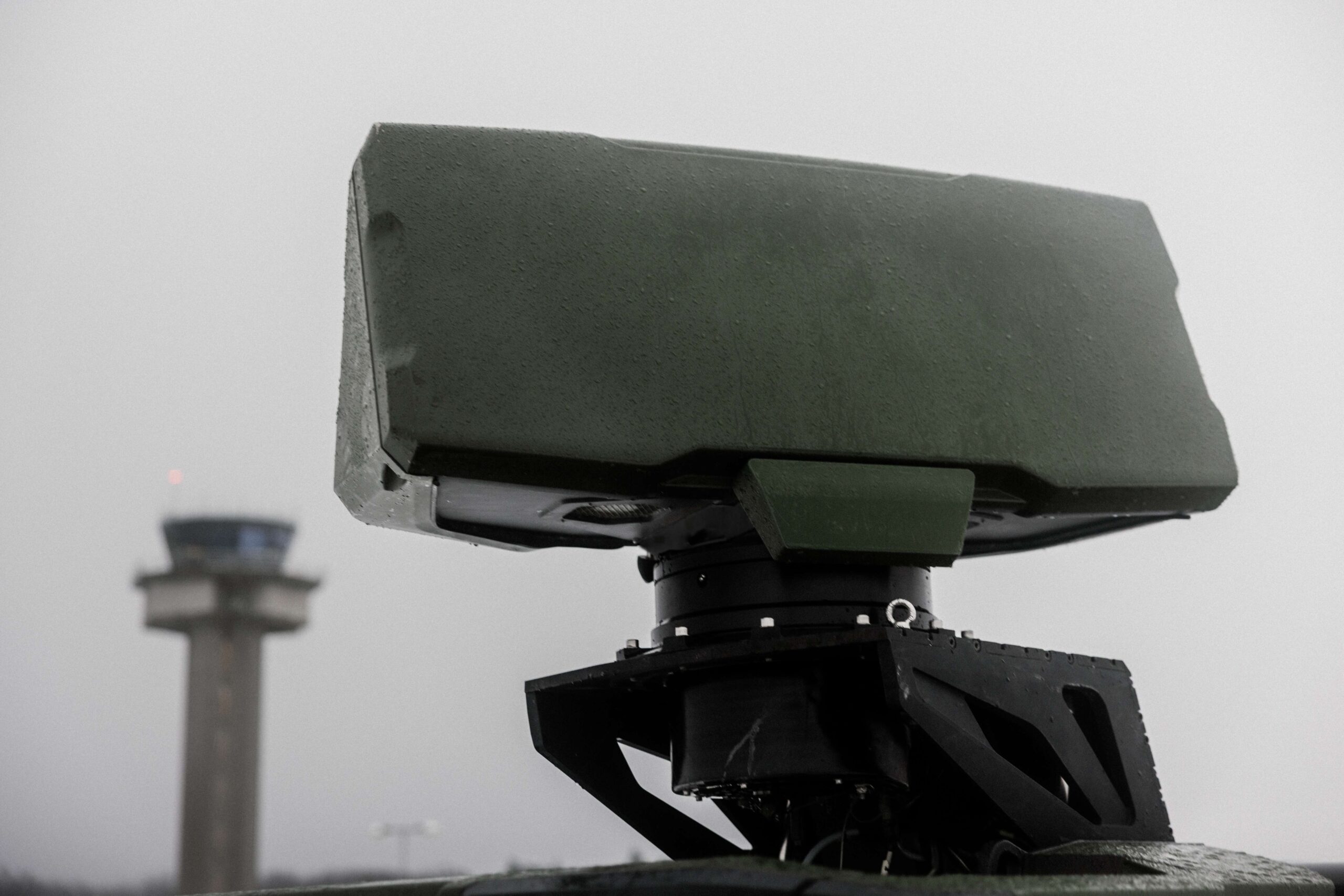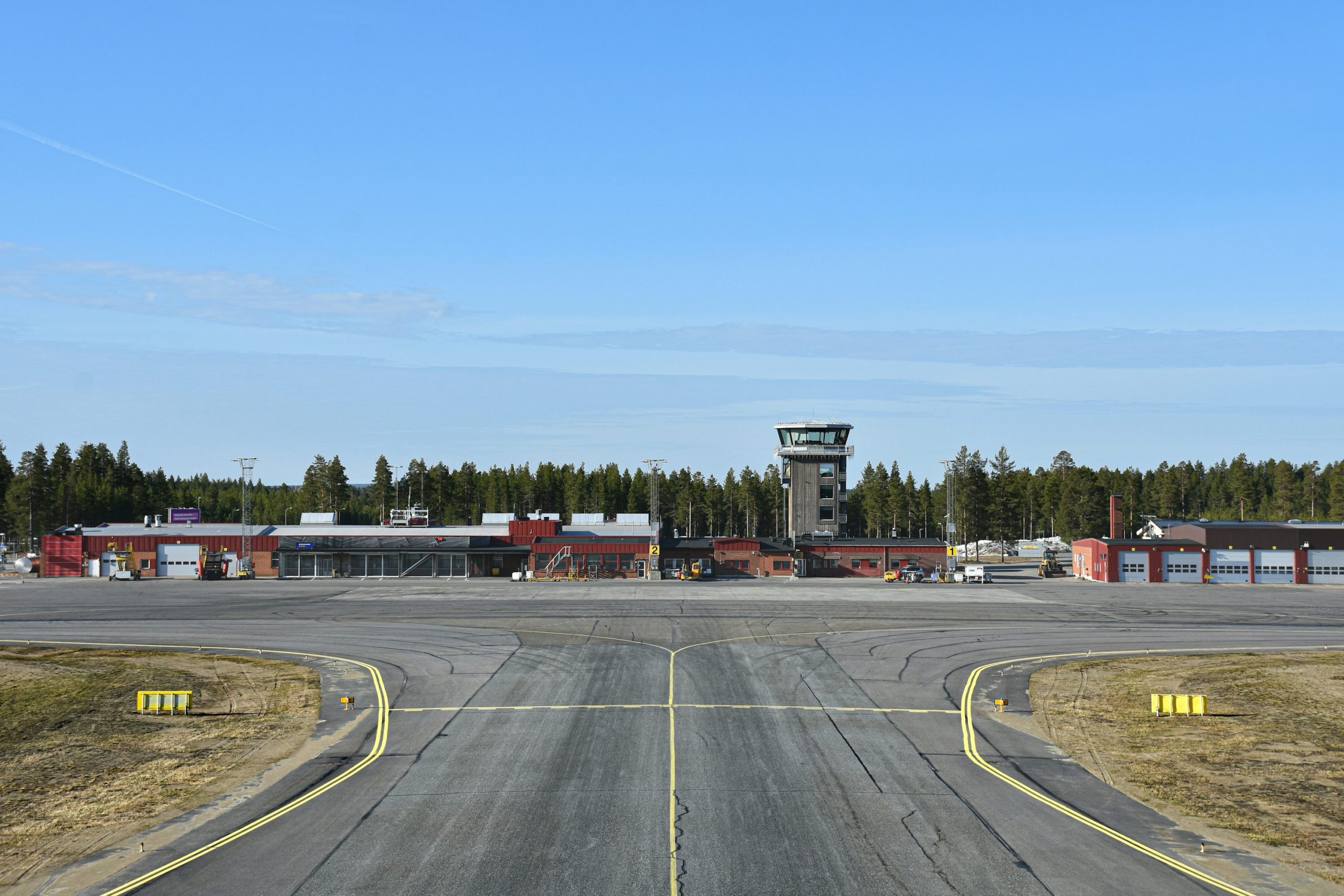
Doncaster Sheffield Airport has placed a multimillion-pound order with Raytheon UK for a new radar system as the South Yorkshire airport builds the operational infrastructure required for its planned return to commercial traffic.
The equipment is due to be delivered in 2027 and represents the largest capital cost so far in the project’s pre-start phase. Raytheon UK, an RTX business, will provide and install the system at the airport site.
The radar will replace the surveillance arrangements used before Doncaster Sheffield Airport closed in 2022. The airport says the new equipment will reduce its reliance on radar systems operated by third parties, giving the reopened operation greater control over a core element of its air traffic infrastructure.
Its specification also addresses an operating environment that has changed since the airport was last open. The high-resolution system is intended to mitigate potential interference associated with wind farms, an issue that can affect aviation surveillance where turbine development and controlled airspace occupy the same region.
Radar procurement carries unusually long manufacturing and installation lead times compared with many of the more visible elements of an airport reopening. The airport has placed the order while airspace, staffing, training, and other operational work remain in progress, allowing equipment delivery to sit within the wider mobilisation timetable rather than becoming a late constraint.
Doncaster Sheffield Airport is undergoing an Airspace Change Process covering the controlled airspace and procedures needed to support future commercial operations. Freight flights are targeted for 2027, while scheduled passenger services are expected to follow in 2028.
That timetable makes the radar more than a standalone technology purchase. Surveillance equipment has to be installed, integrated, tested, and incorporated into an approved air traffic operation before controllers can depend on it. Communications, procedures, training, safety cases, and operational staffing have to develop around the same system.
Modern airport radar provides controllers with the surveillance picture used to track aircraft operating within and around controlled airspace. Reliability and accuracy are therefore fundamental to the operation rather than optional performance improvements, particularly when an airport is rebuilding its air traffic capability after several years of closure.
The wind farm requirement adds a further engineering constraint. Turbine structures can create radar returns and other effects capable of complicating surveillance, making mitigation increasingly relevant as renewable generation expands. Selecting equipment designed with that environment in mind reduces the need to treat each surrounding energy development as an entirely separate surveillance problem.
The airport says global demand for specialist radar systems has increased, reinforcing the need to commit to long-lead equipment well ahead of the planned start of services. Infrastructure projects often encounter this sequencing problem: specialist equipment has to be ordered before an asset produces revenue because waiting for every other workstream to finish would push commissioning further back.
More than 80 people are currently employed on site as the airport rebuilds its operational capability. That work includes air traffic services, facilities, training, regulatory preparation, and the technical systems needed to support freight and passenger operations.
The reopening is being led by Fly Doncaster Ltd, the operating company established by the City of Doncaster Council. Existing assets include the runway, terminal, hangars, and supporting infrastructure, but the return to commercial service depends on restoring the less visible systems and approvals that make those physical assets usable as an airport.
The radar contract gives that programme a defined equipment milestone. Raytheon now has to manufacture and install the system, while the airport must align its airspace, personnel, and operational processes with the hardware arriving in 2027.
That makes the order a more concrete measure of reopening progress than another target date. The runway has been there throughout the closure; the difficult work is rebuilding the network of people, systems, and approvals required to use it safely. A long-lead radar system is now formally part of that schedule.