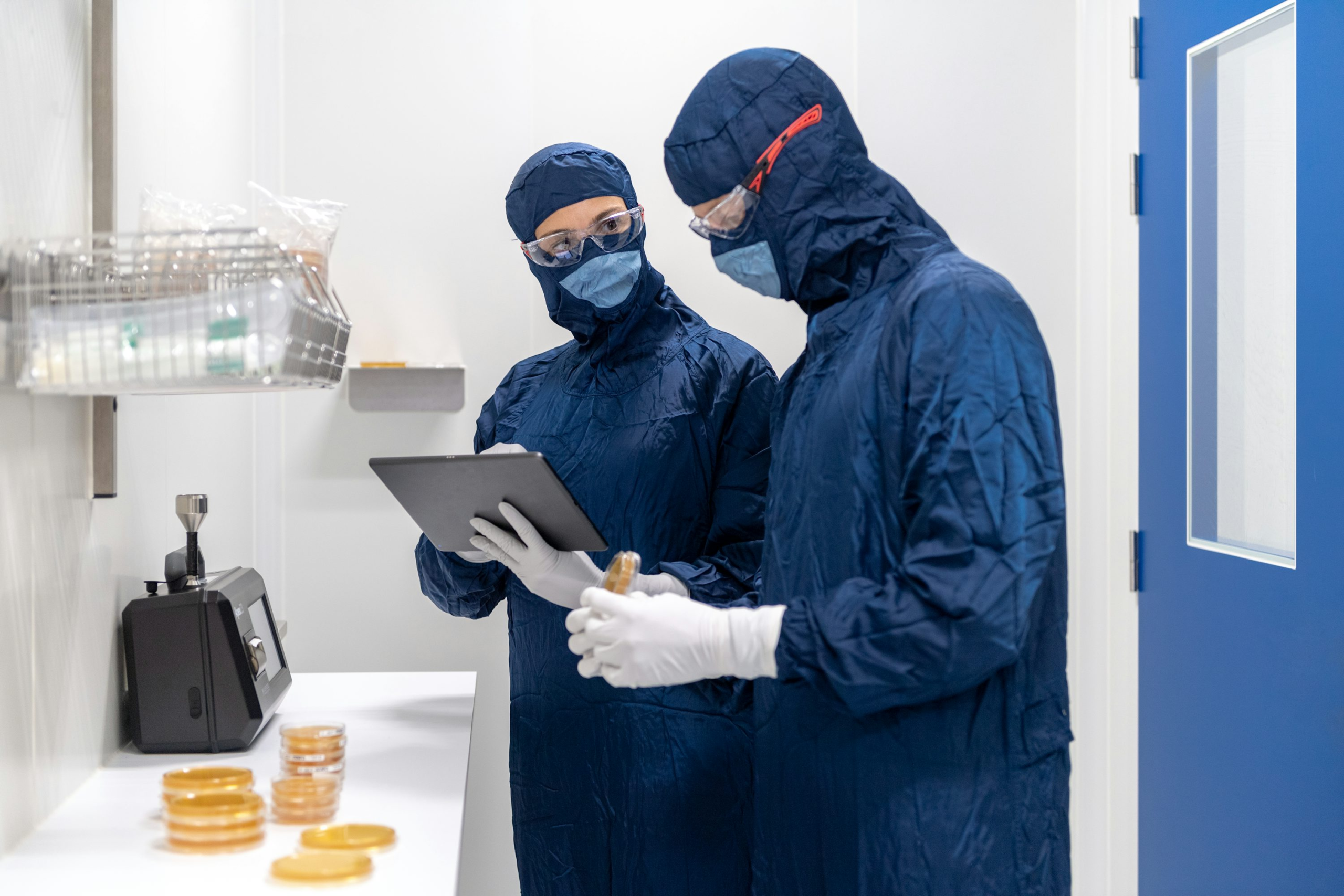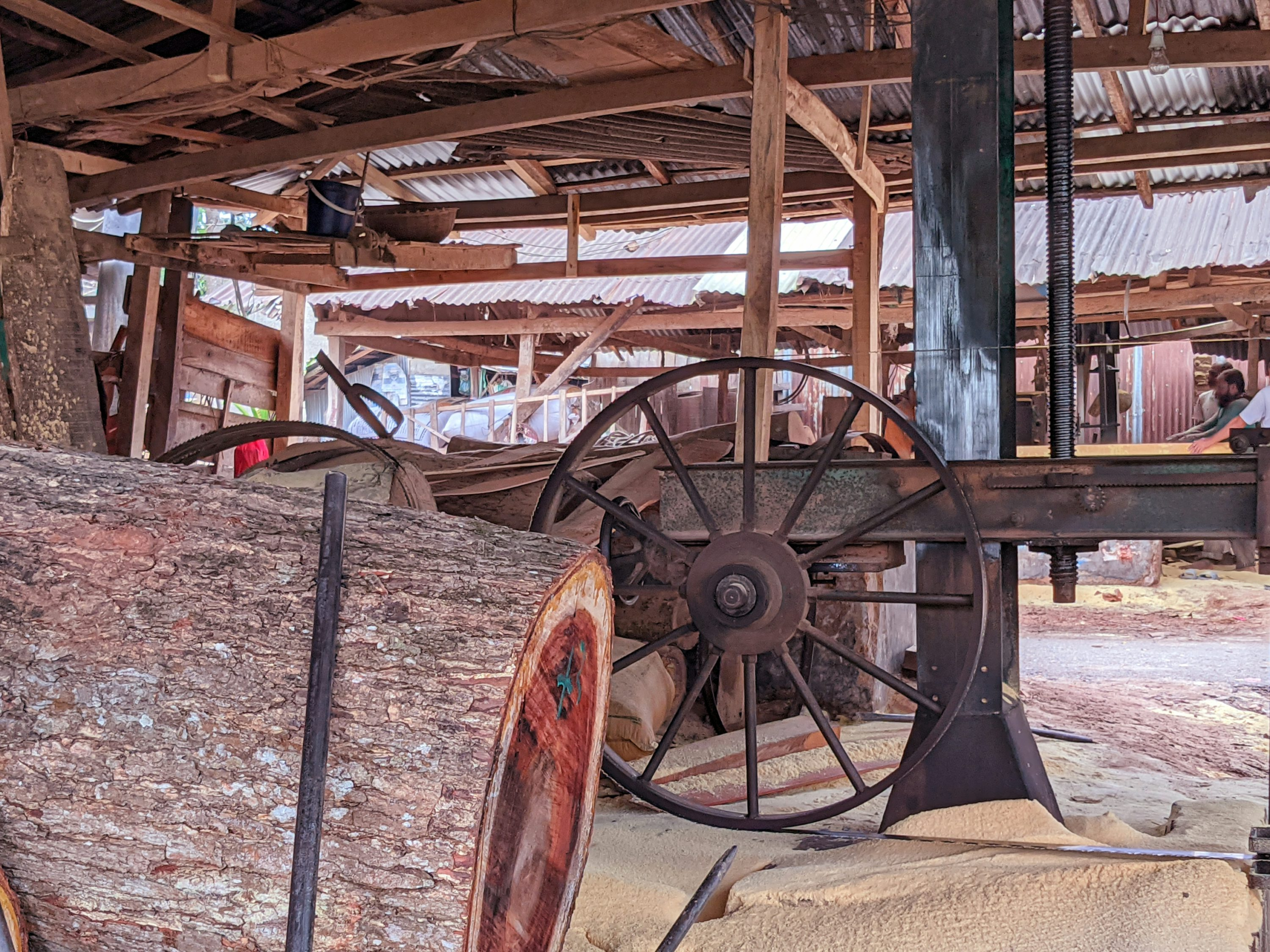
ANDRITZ has secured a repeat order from Greenply Speciality Panels for a 25-tonne-per-hour pressurised refining system at the company’s medium-density fibreboard operation in Vadodara, Gujarat. The undisclosed-value contract covers feeding, digestion, and refining equipment and was included in ANDRITZ’s second-quarter 2026 order intake.
The package comprises the supplier’s C-Feeder concept, a plug screw feeder fitted with AdvaProtect wear segments, an S 1056 refiner, and a pressurised digester. Together, the machines prepare and refine wood material into fibre before it moves into the downstream stages of MDF manufacture.
Greenply is returning to the same supplier following experience with an earlier installation, making the contract a repeat equipment decision rather than a first deployment. ANDRITZ says the new system is intended to support stable production, product quality, and operating efficiency at Vadodara.
Fibre preparation sits well upstream of the large continuous press usually associated with MDF production, but its performance influences much of what happens later. Wood chips have to be fed consistently, softened under controlled conditions, and separated into fibres with suitable characteristics before drying, resin addition, mat formation, pressing, sanding, and finishing.
Variation at the refining stage can affect fibre distribution, resin demand, panel density, surface properties, mechanical strength, and production stability. The equipment therefore has to provide consistent fibre while maintaining sufficient throughput to prevent the rest of the line waiting for material.
Pressurised refining uses heat and mechanical energy to condition wood before the refiner separates the softened structure. The digester exposes incoming material to controlled steam, while the feeding equipment moves chips into the pressurised section and maintains the seal needed to keep the process stable.
The plug screw feeder carries a demanding role in that sequence. Incoming material is compressed to create a plug while still being advanced into the pressurised system, exposing the equipment to abrasion and mechanical loading. Wear can influence maintenance intervals, feed stability, and eventually plant availability.
ANDRITZ’s AdvaProtect segments are designed to improve wear resistance in the feeder. The supplier has used the system on other Indian MDF projects and has previously highlighted the ability to service segmented components without replacing a complete housing, reducing the maintenance burden associated with high-wear areas.
Once material passes through the digester, the S 1056 refiner applies mechanical energy to separate it into usable fibres. Refiner plate condition, steam conditions, wood moisture, species, feed rate, and specific energy input all influence the characteristics of the resulting material.
Nominal capacity is therefore only one operating parameter. A 25-tonne-per-hour refiner that produces unstable fibre quality can disrupt resin application, mat formation, or pressing further down the line, while inconsistent feeding can prevent the refiner reaching its designed throughput in the first place.
ANDRITZ positions the system within a broader front-end offering for panelboard plants covering debarking, chipping, screening, storage, washing, refining, and associated water treatment. The company says more than 320 of its pressurised refining systems have been installed globally, giving Greenply an established equipment platform rather than an experimental process route.
That installed base can also simplify technical support and spare-parts planning. Panel plants operate continuously across interconnected production stages, so maintainability and access to replacement components can be as important as incremental improvements in machine performance.
Choosing a second system from an existing supplier can reduce some of the disruption around operator training and maintenance procedures. Greenply’s teams will already have experience with ANDRITZ equipment and process behaviour, although the new installation will still require commissioning around the specific material and operating conditions at Vadodara.
ANDRITZ has not said whether the second refining package is replacing existing machinery, providing redundancy, or supporting a wider increase in MDF production. The confirmed development is narrower: Greenply has ordered another 25t/h refining system following previous use of the supplier’s technology.
That narrower scope is still industrially relevant. MDF factories rely on balanced production lines, and capacity added at the fibre stage can only increase final board output if dryers, resin systems, forming equipment, presses, sanding lines, utilities, and material handling can absorb the extra flow.
India’s MDF sector has attracted additional equipment investment as producers increase domestic engineered-wood capacity. ANDRITZ has supplied other refining systems in the country, including a higher-capacity installation for Action Tesa, showing continuing demand for large-scale fibre preparation equipment across the market.
Repeat orders are less dramatic than first-of-kind machinery announcements, but they carry a useful implication: the customer has already operated the equipment before choosing it again. Greenply will now have to translate that familiarity into commissioning performance, maintenance intervals, energy consumption, and consistent fibre production at the stated 25-tonne-per-hour design rate.
The refiner will not be the most visible machine in the finished MDF plant. If it works properly, however, it may spend most of its operating life ensuring that the more visible equipment has something consistent to process.