Harsco Rail has stopped work on engineered-to-order rail equipment contracts for Deutsche Bahn and Network Rail after the programmes accumulated substantial financial and delivery risk. Assets from the German contract are transferring to an existing manufacturing partner, while Network Rail has been offered a life-extension programme for its current stoneblower fleet.
For Deutsche Bahn, Harsco Rail Europe has agreed to sell relevant contract assets, inventory, and intellectual property to Gleisbaumechanik Brandenburg, a General Atomics subsidiary already involved as manufacturing partner on the utility track vehicle programme. Harsco Rail Europe has ceased activity on the contract, leaving GBM to take forward completion of the vehicles.
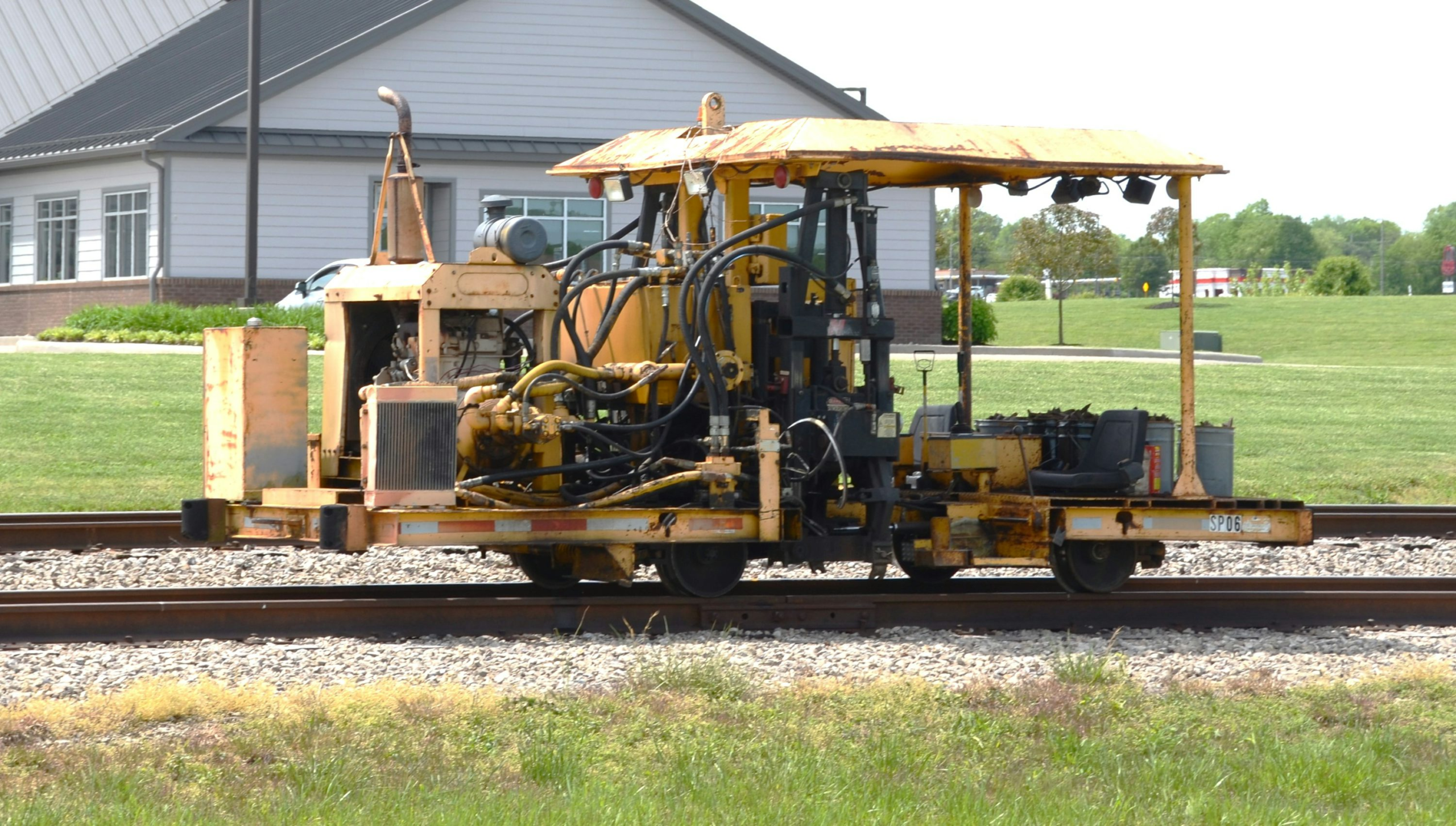
The UK programme has reached a different outcome. Harsco Rail Limited has ceased work on its contract to build multipurpose stoneblower rail maintenance vehicles for Network Rail and has closed the associated manufacturing facilities. It has instead proposed extending the service life of Network Rail’s existing stoneblowers while continuing to operate and maintain the fleet under an existing multi-year services contract.
Discussions over that alternative remain ongoing. Network Rail’s stoneblowers are specialised maintenance machines that measure track geometry, lift rails and sleepers where required, and use compressed air to place additional stone beneath the sleepers. The process is used to restore track level and alignment, including work around points and crossings.
Enviri, Harsco Rail’s parent company, expects to record a non-cash impairment charge of around $75 million and an incremental liability of approximately $133 million for future obligations associated with the two contracts. Any payments received from GBM for transferred assets are expected to be recognised when received later in 2026 and early 2027.
The problems had been visible before the contract exits. Enviri filings identified material and labour inflation, supply delays, supplier failures, additional engineering work, homologation, and commissioning difficulties among the pressures affecting long-term fixed-price rail contracts.
Those factors are particularly damaging on engineered-to-order programmes because the commercial price can be fixed years before the final engineering and certification workload is known. A bespoke maintenance vehicle may have to accommodate customer-specific operating requirements, signalling interfaces, safety systems, access constraints, and certification demands, while material and labour costs continue changing during design and manufacture.
Homologation adds another source of uncertainty. Rail equipment cannot simply leave the factory once assembly is complete; vehicles and onboard systems must demonstrate compliance with the applicable technical and operating requirements before entering service. Late changes or additional testing can therefore continue consuming engineering resource after the original manufacturing programme has slipped.
Harsco Rail is not withdrawing from engineered rail equipment altogether. Its separate programme supplying wagons and utility track vehicles to Swiss Federal Railways remains on schedule, with final deliveries and positive cash flows expected in 2027. Enviri says the wider rail business will concentrate more heavily on maintenance-of-way equipment, technology, parts, and services.
Network Rail now has to decide whether overhauling existing stoneblowers offers an acceptable alternative to completing the replacement programme. Life extension can retain proven equipment and avoid the disruption of introducing an entirely new fleet, but it increases the importance of structural condition, component obsolescence, spare-parts availability, overhaul planning, and long-term technical support.
The German transfer follows a more direct route because GBM already has manufacturing knowledge of the Deutsche Bahn vehicles. Passing the assets and intellectual property to an established programme partner should reduce the amount of engineering knowledge lost during the handover, although the remaining timetable and commercial obligations will depend on arrangements between GBM, Harsco Rail, and Deutsche Bahn.
The restructuring exposes the uncomfortable arithmetic of bespoke industrial contracts. Engineering changes, supplier problems, inflation, and certification work remain variable even when the customer price is not. Once the cost of completing a programme exceeds the cost of leaving it, technical ambition becomes a fairly expensive footnote to the contract.
Three milestones now determine whether the exits draw a line under the problem: Network Rail’s decision on the stoneblower life-extension proposal, GBM’s progress on the Deutsche Bahn vehicles, and final delivery of the Swiss programme in 2027. Harsco Rail has stopped manufacturing on the two troubled contracts; the engineering obligations have not disappeared quite as neatly.