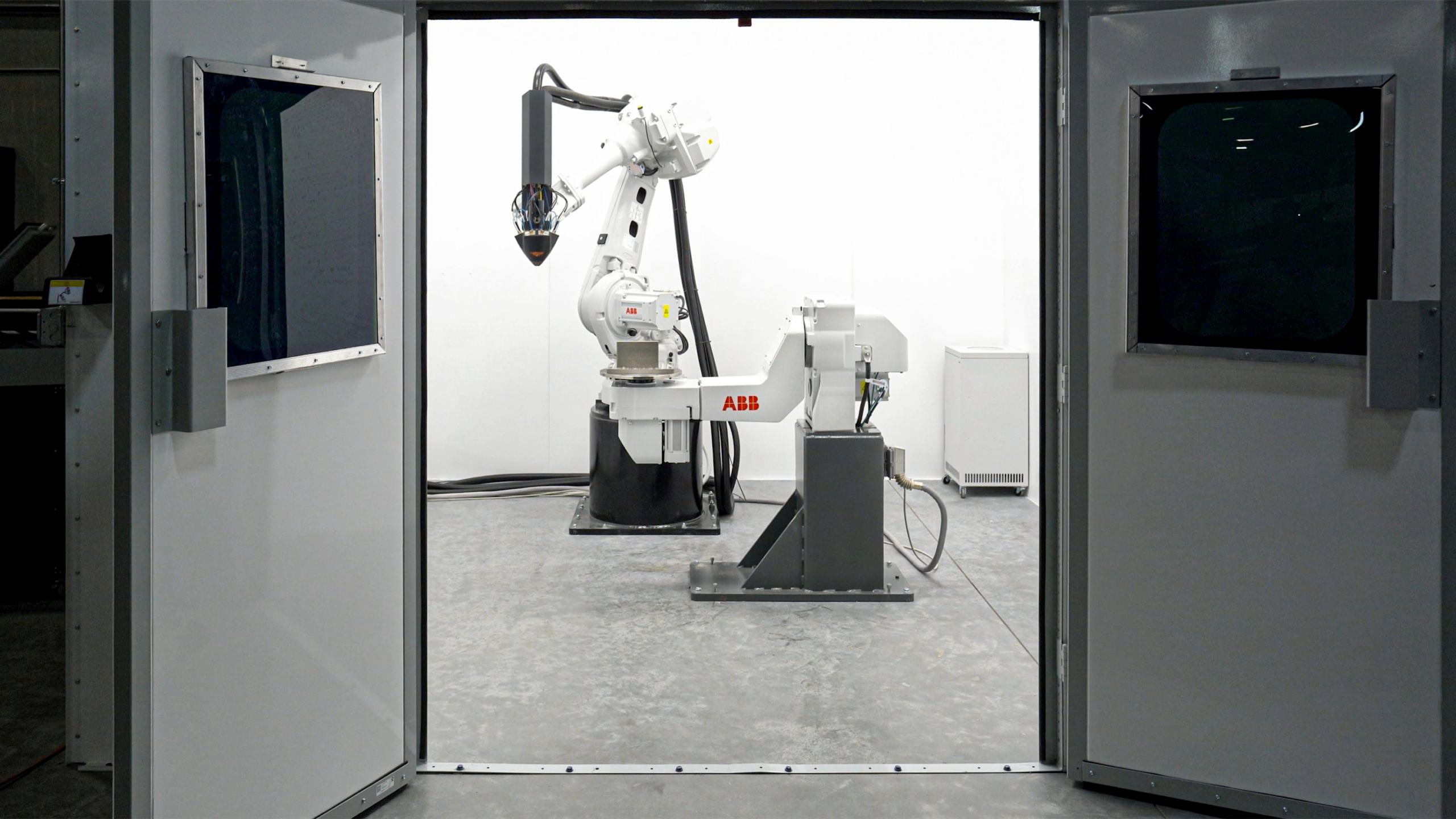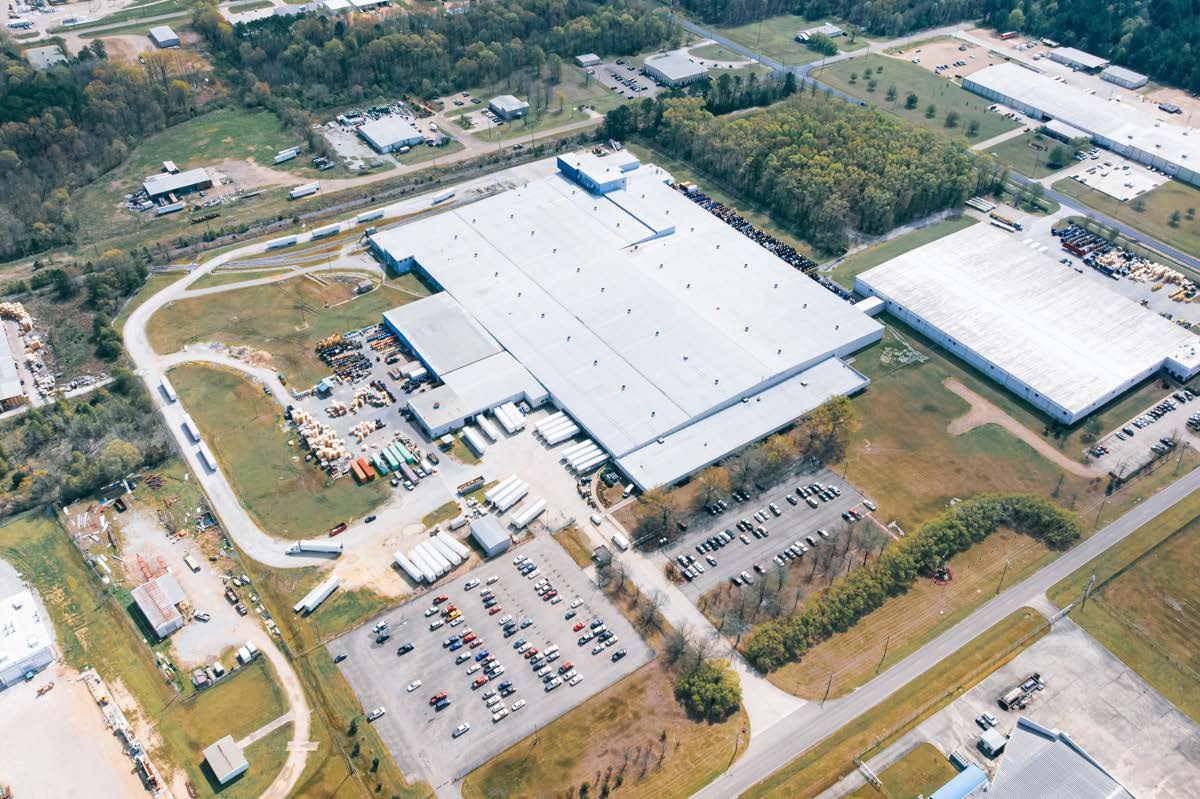
Southwire is expanding its Starkville, Mississippi, manufacturing operation with an investment of more than $256 million, adding approximately 380,000 square feet, creating 128 jobs and increasing production capacity as demand grows across electrification, industrial power and data-centre markets.
The project forms part of Southwire’s company-wide commitment of more than $2 billion to modernise its manufacturing footprint. Construction is expected to begin in late 2026, with the expanded Starkville operation reaching full capacity in 2028. The company says the work will support a safer and more efficient working environment, strengthen quality and improve its ability to serve customers.
The Starkville plant has operated for almost five decades. Phelps-Dodge opened the site in 1979 and Southwire acquired it in 1989, while a 2010 expansion added an onsite distribution centre. The latest programme is therefore a large brownfield expansion rather than a greenfield factory, requiring new buildings and equipment to be integrated around an established manufacturing operation.
Southwire has not published a detailed list of the production lines or machinery that will occupy the additional space. That leaves the exact capacity increase undefined, but the scale of the investment and the company’s description of the work as a modernisation programme indicate that the project extends beyond additional storage or warehousing.
Wire and cable production depends on several linked manufacturing stages. Depending on the product, those can include drawing conductor, stranding, insulating, shielding, jacketing, testing and packaging. Increasing throughput at one stage is useful only if upstream and downstream equipment can handle the same volume, so major plant expansions have to balance process capacity rather than simply add the largest machine available.
Southwire links the investment to rising demand from electrification, wider market growth and the rapid expansion of data centres. Those markets create different product requirements, but each depends on substantial electrical infrastructure. New generation, grid reinforcement, industrial electrification and large data-centre campuses all add demand somewhere in the chain for conductors, power cable, control products or associated electrical systems.
That demand cannot be met instantly. Cable manufacturing equipment is capital intensive, large machinery can have long procurement lead times and new production lines have to be commissioned before they reach stable output. Raw-material availability also matters because copper and aluminium make up a significant part of the physical and financial content of many cable products, while insulation and protective materials add further supply dependencies.
Expanding an established site gives Southwire access to existing utilities, logistics, quality systems and a workforce familiar with the operation. The onsite distribution capability added in 2010 also means production and outbound material handling are already connected on the same campus. Those advantages can shorten parts of the ramp-up compared with creating a completely new operation elsewhere.
Brownfield projects bring their own constraints. Construction has to be sequenced around existing production, vehicle movements, utilities and safety zones, and new equipment may need to connect with older control systems or material-handling arrangements. A poorly planned expansion can create disruption before it creates capacity, particularly when an operating factory still has customer orders to meet during the build.
The 128 planned jobs show that the project is not simply a labour-replacement exercise. Modern manufacturing lines can automate repetitive handling and process control while still increasing demand for operators, technicians, maintenance engineers, quality personnel and logistics staff. The final skills mix will depend on the machinery Southwire installs and how much of the additional output comes from new lines rather than greater utilisation of existing equipment.
Safety and working conditions are also part of the company’s stated objectives. In cable manufacturing, material handling can involve large reels, moving conductors and heavy process equipment, so layout, guarding, machine access and maintenance space influence both safety and productivity. Modernising those areas can remove practical constraints that are difficult to address through isolated maintenance work.
The wider $2 billion modernisation programme provides important context. Electrical manufacturers are being asked to support faster investment in power networks, industrial electrification and digital infrastructure while customers continue to expect shorter lead times and dependable domestic supply. Adding capacity at several established plants can spread production risk, although it also requires Southwire to manage several large capital programmes without losing operating discipline.
The timing of the Starkville expansion reflects the amount of work between an announcement and full industrial output. Construction is scheduled to start late this year, but full capacity is not expected until 2028. Buildings have to be completed, machines delivered and installed, controls integrated, operators trained and production yields stabilised before the additional footprint becomes usable manufacturing capacity.
Southwire’s quarter-billion-dollar commitment is therefore a bet on sustained demand rather than a short-term response to one order. The plant has already operated through several generations of equipment and ownership since 1979. Its next phase will depend on whether the company can add modern capacity around that existing base without allowing the expansion itself to become the constraint it is intended to remove.