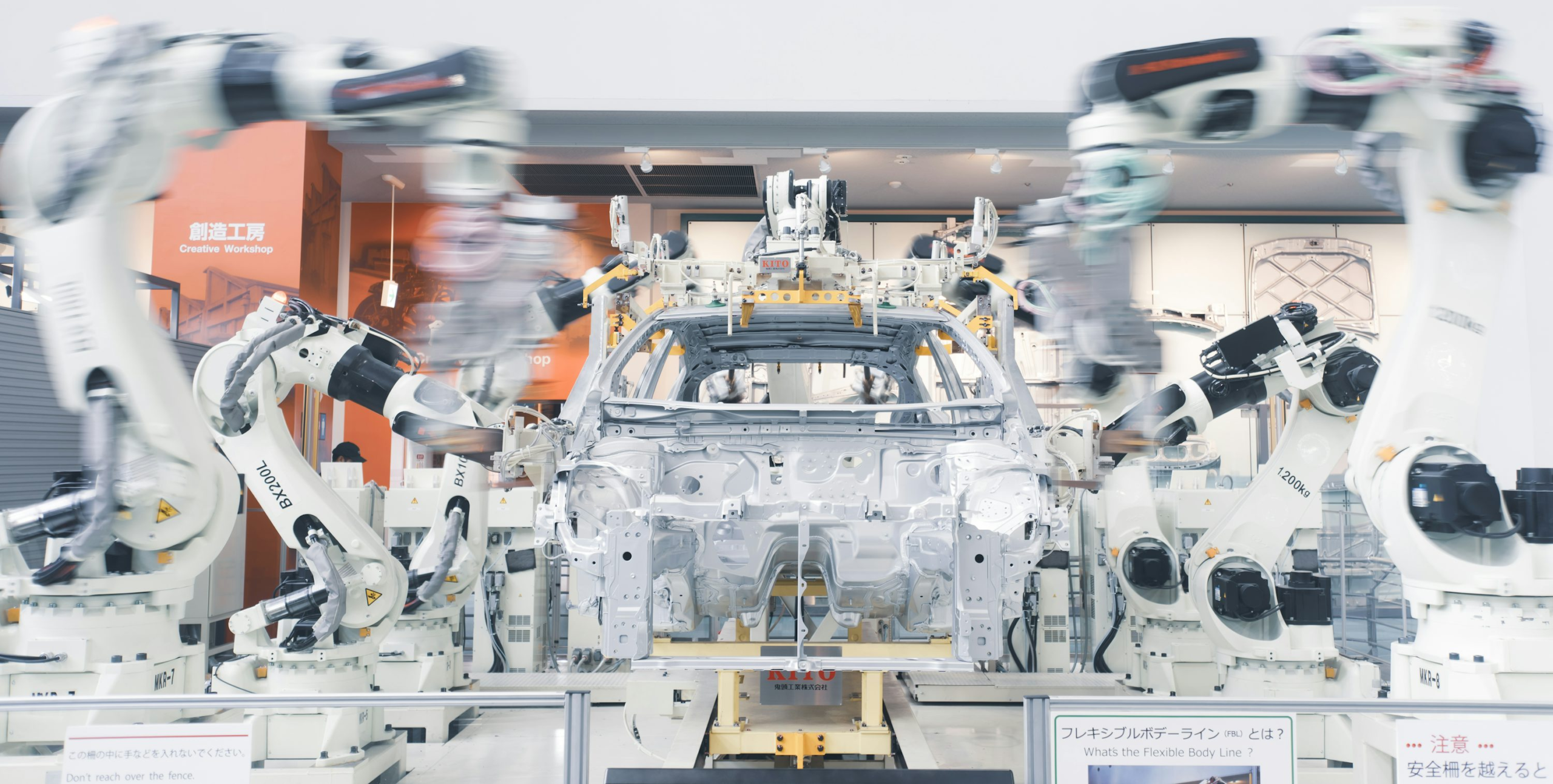
Sungwoo Hitech is nearing completion of a 32,600-square-metre automotive manufacturing facility at P3 Ostrava Central, where the first phase is being fitted with robotic welding equipment ahead of operations beginning in August. A second phase will add hot stamping, pressing, and material cutting, turning the build-to-suit project into the industrial park’s first development designed specifically for advanced production.
The building provides approximately 29,855 square metres of production space and 2,700 square metres of offices and technical accommodation. P3 Logistic Parks has configured the structure around Sungwoo Hitech’s equipment, internal logistics, and future expansion requirements rather than adapting a conventional warehouse after construction.
Sungwoo Hitech already operates in the Ostrava-Hrabová industrial zone and supplies pressed and welded steel body components to automotive customers. The new facility is intended to increase capacity for new contracts and future manufacturing programmes while retaining access to the region’s established vehicle-production supply chain.
Its central production hall has a clear internal height of up to 15 metres to accommodate three overhead cranes rated at 40 tonnes. Floor loadings have been increased for heavy stamping and hot-forming machinery, while conventional raised loading docks have been replaced by ground-level, high-speed drive-in doors and covered loading areas.
Those changes are more than property specifications. Presses and hot-forming lines impose concentrated loads, vibration, heat, acoustic, power, and maintenance demands that do not arise in a standard distribution building. Coil, blank, tooling, and finished-component movements also need direct routes through the plant without forcing heavy materials through logistics arrangements designed for pallets.
Production will be introduced in two stages. The first covers 13,755 square metres and centres on robotic welding, with equipment installation under way and operations expected to start during August. A second 16,100-square-metre phase will accommodate hot stamping, pressing, and cutting equipment, with installation scheduled to begin before the end of the year.
The phased approach allows welding operations to begin before the larger process equipment is commissioned, but it requires careful separation between live production and continuing installation. Robot cells must be guarded, extracted, programmed, and validated, while later press work will involve foundations, lifting operations, utilities, and tooling movements in adjoining areas.
Once fully operational, the plant is expected to employ between 60 and 80 people on each of three shifts. That headcount is relatively lean for the available floor area because the production concept relies heavily on automated equipment, although labour demand shifts rather than disappears. Maintenance technicians, controls engineers, quality staff, tooling specialists, and material-handling teams will remain central to stable output.
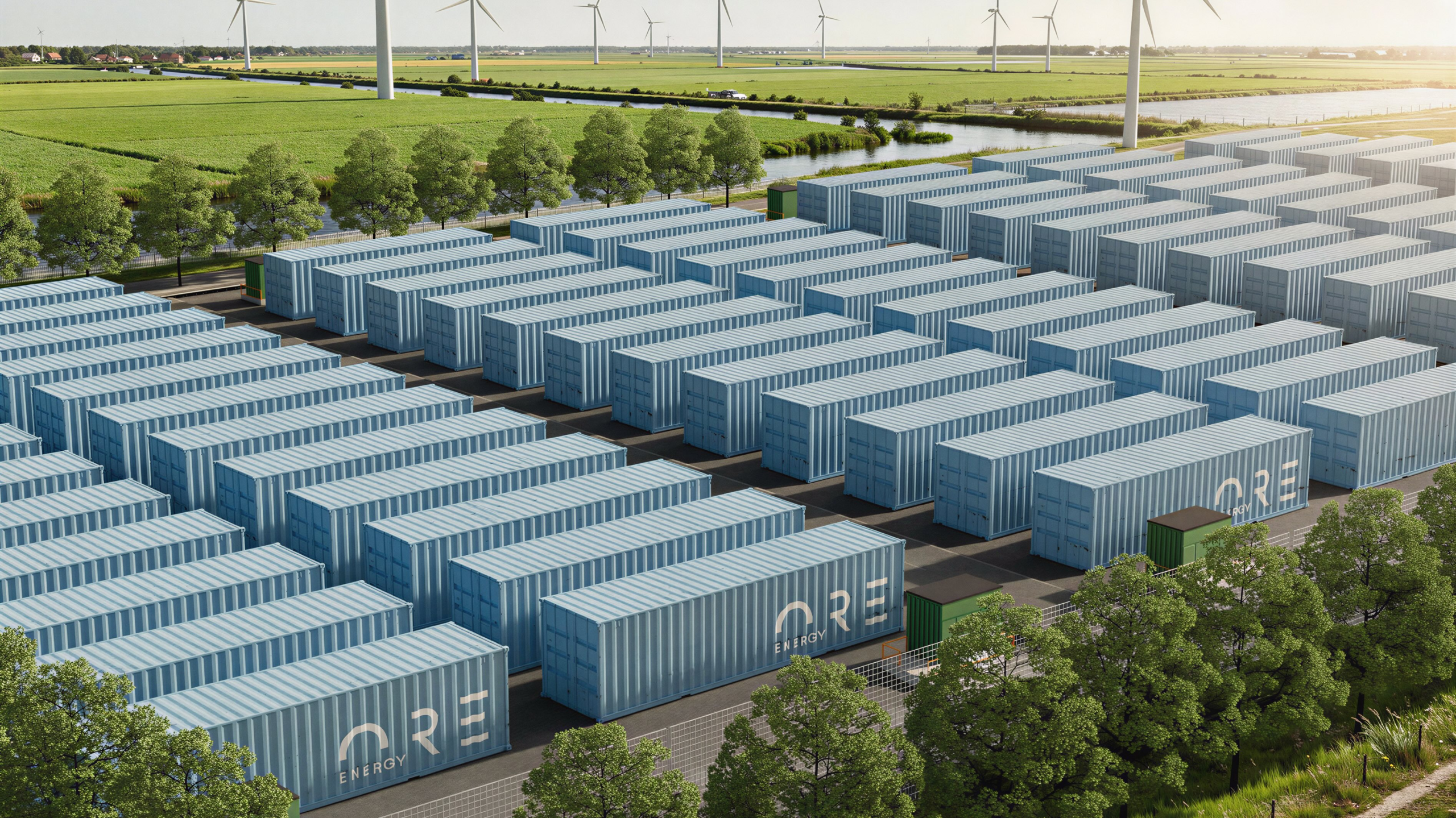
The project also includes a planned 2.9 MWp rooftop photovoltaic installation, among the largest in P3’s Czech portfolio. The array will contribute to the site’s electricity supply, but presses, robotic welding systems, cranes, ventilation, and hot-forming equipment will still require substantial and dependable electrical infrastructure.
Automotive body-component production brings strict dimensional, strength, and traceability requirements. Welded assemblies must remain within tolerance across high volumes, with inspection data linked to material batches, tooling condition, robot programmes, and production shifts. The plant’s technical accommodation therefore needs to support metrology, quality assurance, controls, and data systems alongside the visible machinery.
P3 Ostrava Central has been developed on a regenerated brownfield site, and the park’s buildings have achieved BREEAM Excellent certification. The location has also attracted SFI Europe, which established its first European production facility there for automotive fluid systems, giving the development a growing manufacturing role alongside its logistics activity.
For P3, the Sungwoo Hitech project tests a model in which the developer must resolve production requirements before the tenant installs machinery. Slab design, crane loads, clear height, fire strategy, doors, utilities, and expansion space cannot be treated as later fit-out details when the process equipment defines the building.
Bringing the first phase into use will also test the relationship between the building and the production system. Material must arrive at ground level, move through welding cells, pass inspection, and leave without conflicting with technicians installing the second phase. A design decision made around a door or crane route can therefore affect daily output long after handover.
The next milestones will be equipment commissioning, process validation, and stable series production from the first phase, followed by installation of the heavier forming and cutting lines. A customised shell removes several avoidable constraints, but it cannot guarantee throughput, quality, or uptime. Those will be settled by the machinery, the controls, and the people running them after the property photographs have been taken.