Abbott has begun a five year post market study of its TriClip transcatheter valve repair system, enrolling the first participant at Hospital Clínic de Barcelona.
The TREAT TR study is expected to include approximately 1,000 people at up to 100 sites across Europe, the United States, and Canada. It will assess safety and performance during routine clinical use, extending the evidence available from earlier controlled trials.
Participants will be assessed at discharge, after 30 days, six months, and one year, followed by annual checks for four further years. A subgroup will undergo additional assessment of cardiac remodelling to determine whether reducing valve leakage influences longer term structural changes within the heart.
TriClip is designed to treat tricuspid regurgitation, in which the valve between the right atrium and right ventricle does not close properly. Blood can then flow backwards, increasing the heart’s workload and contributing to fatigue, breathlessness, atrial fibrillation, and heart failure.
The system is delivered through a vein in the leg and guided towards the tricuspid valve. It clips portions of the valve leaflets together, reducing the opening through which blood returns without requiring conventional open heart surgery.
Many patients with severe tricuspid regurgitation are older or have additional conditions that increase the risks associated with surgery. Catheter based repair can extend treatment to people whose health or anatomy limits more invasive intervention, although imaging and patient selection remain central to the procedure.
TriClip received its first CE mark in 2020 and is approved in more than 50 countries. Abbott said the system has been used to treat more than 15,000 people.
The new study will collect evidence across a broader range of hospitals, clinicians, anatomies, and patient circumstances. Results from routine use can show whether outcomes remain consistent as adoption spreads beyond the highly experienced centres involved in initial trials.
Long term observation also allows investigators to assess durability, hospital admissions, quality of life, repeat intervention, and disease progression. Early procedural success cannot establish whether valve improvement remains stable several years later or whether symptoms return.
Abbott reported separate registry data in June involving 3,035 patients treated at 278 sites in the United States. The company said outcomes were consistent with its earlier TRILUMINATE pivotal trial, including substantial reductions in tricuspid regurgitation and improvements in quality of life.
TREAT TR will extend the geographic range and observation period, giving clinicians additional information on how the system performs across different healthcare settings. The five year design should also provide more evidence on heart failure admissions and the need for further valve treatment.
The cardiac remodelling subgroup will examine changes beyond the immediate valve repair. Chronic overload can alter the size and function of heart chambers, so structural improvement would provide a different measure from procedural success or short term symptom relief.
Expanding use places additional demands on device manufacturing. TriClip combines implant materials, delivery catheters, steering mechanisms, handles, sterile packaging, and controlled assembly processes, with each element expected to perform consistently after transport, storage, preparation, and passage through the vascular system.
Greater clinical volume must be supported without weakening cleanliness, dimensional control, material traceability, assembly accuracy, sterilisation validation, or final inspection. Many components are mechanically intricate and produced within narrow tolerances, leaving limited scope for variation.
Digital mould development is increasingly being applied to regulated pharmaceutical and medical components, allowing filling, cooling, dimensional, and process stability problems to be identified before physical tooling enters qualification.
Changes to medical device materials, suppliers, tooling, or production locations can require extensive comparability work and regulatory assessment. A long running clinical study therefore depends on disciplined configuration control so that the system manufactured during later years remains consistent with the device originally evaluated.
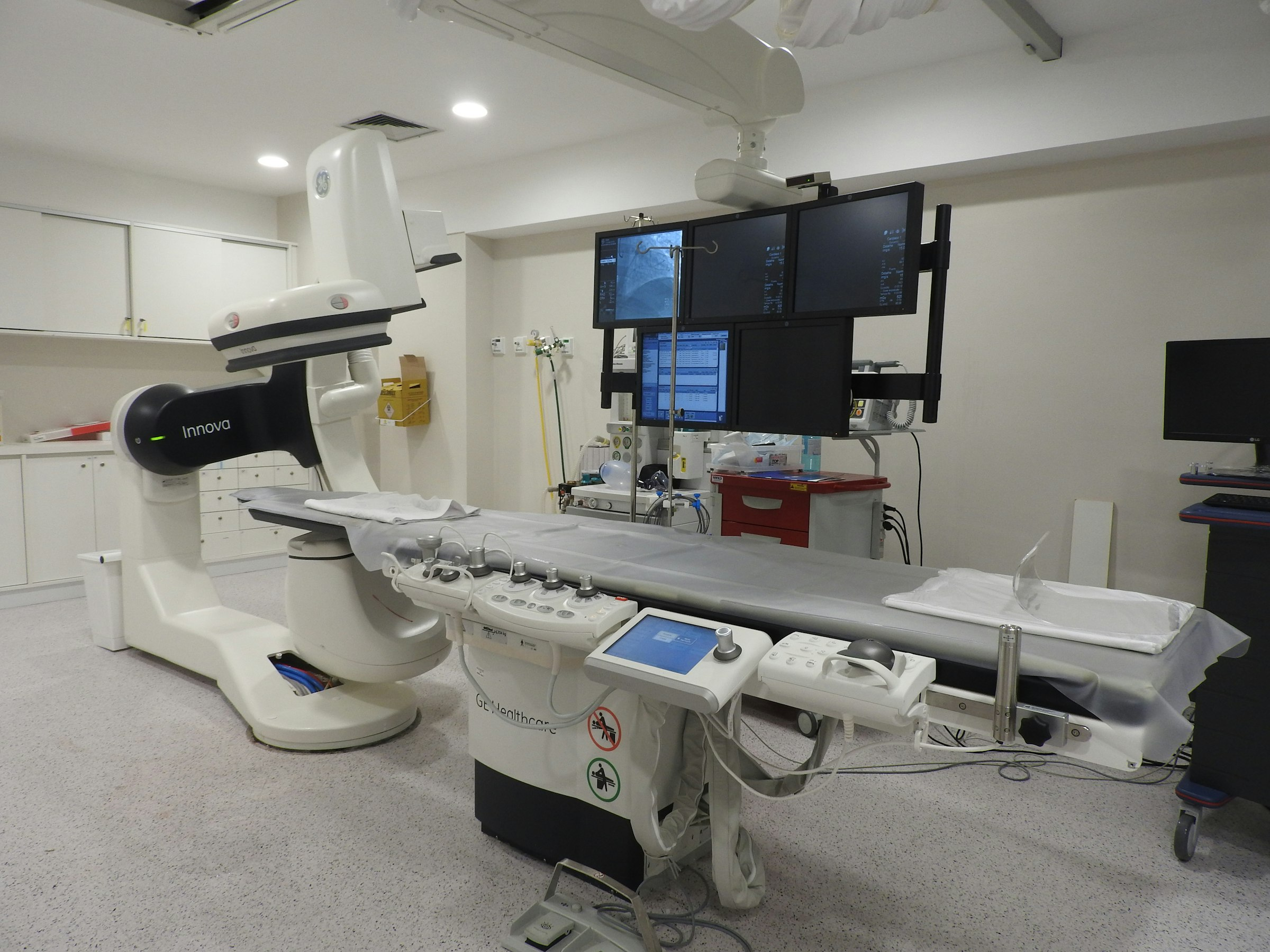
Hospital capability must develop alongside production. Transcatheter valve repair requires imaging equipment, catheter laboratory infrastructure, trained clinical teams, patient assessment, stock management, and organised follow up, making adoption an equipment and service challenge as well as a medical device programme.
The expansion of structural heart treatment is also increasing competition between repair and replacement technologies. Long term evidence will help clinicians determine which patients are best suited to leaflet repair, when intervention should occur, and how the benefits compare with emerging alternatives.
Recruitment across 100 sites will now test whether outcomes achieved in specialist trials can be repeated across a wider clinical population. Manufacturing consistency, hospital preparation, imaging quality, and patient selection will all influence the evidence produced during the study’s five year span.