Rolls-Royce has finalised a MissionCare propulsion support agreement with Sabena technics covering the joint French-German fleet of C-130J Super Hercules aircraft until December 2030.
The subcontract places Rolls-Royce within the ten-year CAROLUS operational readiness and maintenance programme awarded to Sabena technics by France’s Directorate of Aeronautical Maintenance in January 2026.
Five C-130J transport aircraft and five KC-130J aerial refuelling tankers form the binational fleet, which is operated by the Binational Air Transport Squadron at Évreux-Fauville Air Base 105 in France.
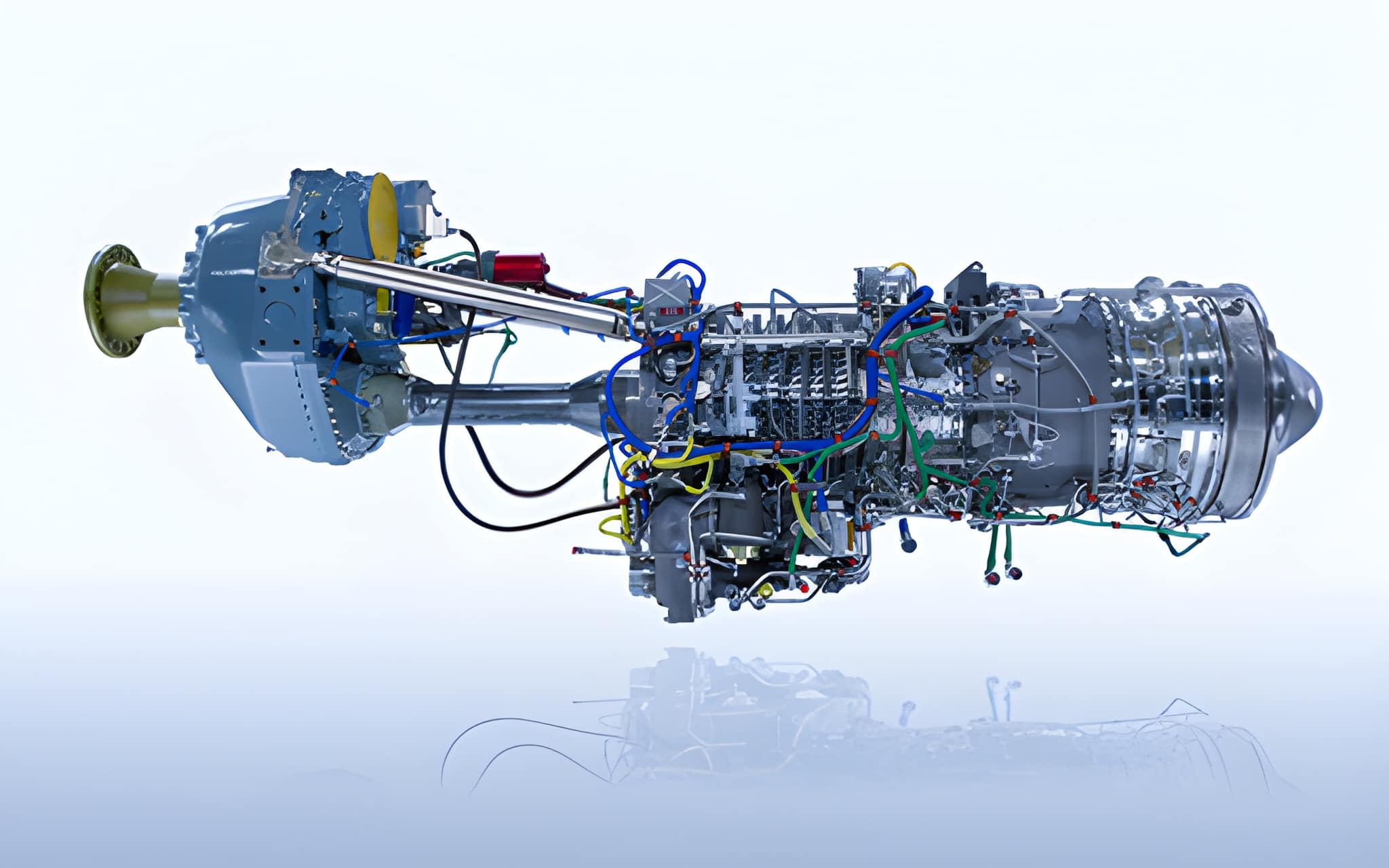
MissionCare will provide flight-hour-based support for the aircraft’s AE 2100D3 turboprop engines, combining engineering assistance, field representation, logistics, spare parts, technical information, and maintenance planning around agreed readiness requirements.
Rolls-Royce field service representatives will work at Évreux alongside Sabena technics personnel and at the company’s principal maintenance, repair, and overhaul operation in Bordeaux. Embedding the engine manufacturer’s employees should shorten the route between an operational fault, technical assessment, and authorised corrective action.
The digitally controlled AE 2100D3 powers the C-130J family, although engine availability depends on a much wider support system than the condition of the powerplant alone. Line maintenance, scheduled shop visits, spare parts, tooling, technical data, transport, and access to approved repairs must remain coordinated.
Meagan Rater, director of US Mature Programmes, Defense at Rolls-Royce, said: “Bringing our MissionCare program to the joint French-German C-130J fleet means we can embed our team directly alongside Sabena technics.”
Sabena technics remains prime contractor for CAROLUS and is responsible for bringing the different maintenance and support functions into a single readiness structure. The propulsion agreement completes a substantial part of that network while retaining the engine manufacturer’s direct technical involvement.
Maintenance contracts move towards availability
Flight-hour support changes the commercial relationship between an engine manufacturer and an operator because individual repairs are replaced by a package linked to utilisation and readiness. The manufacturer gains a stronger incentive to reduce recurring faults, position spares effectively, and plan maintenance before aircraft become unavailable.
Accurate operating data underpins that model. Engine utilisation, condition, removals, repair times, component life, and recurring defects must be understood if maintenance intervals and spare holdings are to reflect the actual fleet rather than broad historical assumptions.
Military availability is more complicated than counting how many aircraft can fly, since different missions require particular configurations, crew qualifications, fuel systems, defensive equipment, and maintenance status. Propulsion support must therefore operate within a broader readiness plan managed across the complete aircraft.
The French-German structure introduces additional coordination around maintenance standards, documentation, operating priorities, budgeting, and national responsibility. Shared aircraft and engines create opportunities to pool knowledge, tooling, and some spare parts, while simultaneous demand can place pressure on limited resources.
Embedded field representatives should improve communication between the operating squadron, the maintenance prime, and the original equipment manufacturer. Engineers can examine faults directly, review operating data, and determine whether an issue requires local work, a component change, or support from a specialist repair facility.
Close technical support becomes particularly valuable as fleets mature because operating environment, mission profile, modifications, and the history of individual aircraft begin to influence maintenance requirements more strongly than the original design assumptions.
Long-term engine availability also depends on the continued manufacture and repair of components. Original suppliers may change ownership, withdraw from low-volume production, or lose access to qualified materials and processes, requiring the engine manufacturer to sustain alternative approved routes.
Maintenance, repair, and overhaul capacity has acquired greater importance as defence customers seek to raise readiness without waiting for new aircraft. Existing fleets can provide capability more quickly, provided their engines, structures, avionics, and mission equipment remain technically and economically supportable.
The CAROLUS programme continues beyond the initial Rolls-Royce agreement, leaving propulsion arrangements open to review or extension as requirements develop. Performance through 2030 will provide evidence on engine availability, repair turnaround, spares forecasting, and the effectiveness of placing original equipment manufacturer expertise beside daily operations.
Sabena technics retains responsibility for integrated fleet support while Rolls-Royce moves closer to the propulsion system’s operational use. Clear decision-making and shared data will determine whether the arrangement produces faster technical resolution and more serviceable aircraft without adding unnecessary complexity to the maintenance chain.