Science Corporation has begun the European commercial launch of its PRIMA retinal system after securing CE marking under the European Union Medical Device Regulation.
The approval authorises commercial availability across 30 European countries. Work is now progressing on national reimbursement arrangements and the activation of clinical sites, with the first commercial implantation expected to take place in Germany.
PRIMA is intended for patients with geographic atrophy caused by age-related macular degeneration. The condition damages the central region of the retina and can remove the detailed vision required for reading, recognising faces, and performing precise everyday tasks.
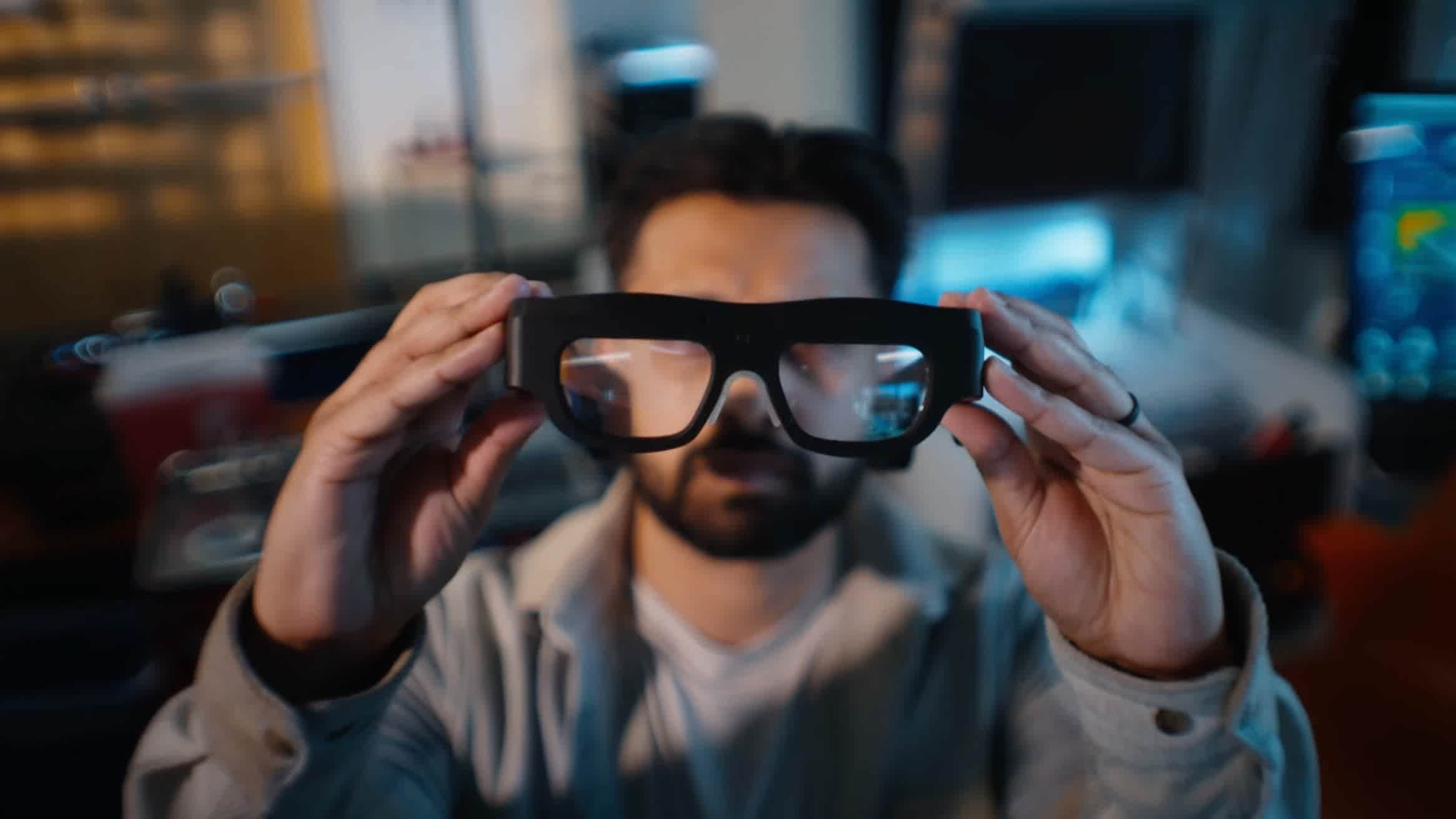
A photovoltaic implant measuring approximately 2mm by 2mm is positioned beneath the retina, while specialised glasses capture visual information and project it towards the implant using near-infrared light.
The implant converts the projected pattern into electrical stimulation, activating remaining retinal cells and sending information through the existing visual pathway. Patients retain their natural peripheral vision while using the prosthetic system to produce central visual information.
Science Corporation describes PRIMA as the first brain-computer interface device to receive CE marking for restoring form vision involving letters, numbers, and words. DEKRA issued the approval under the Medical Device Regulation, which places stricter requirements on clinical evidence and post-market monitoring than the previous European framework.
Clinical evidence was generated through a study involving 38 patients across 17 sites in five countries. Participants recorded an average improvement of 25.5 letters, equivalent to more than five lines on a standard vision chart.
The company reported that 84% of participants could identify letters, numbers, or words using the system, while 80% gained at least ten letters after 12 months. Mean natural peripheral vision did not decline during the study period.
Approval begins the industrial deployment phase
CE marking allows commercial supply, but a functioning market requires trained surgical teams, qualified hospitals, reimbursement, implant availability, external hardware, and structured patient rehabilitation. Each element must be established country by country within different healthcare systems.
Implantable visual systems combine several difficult manufacturing disciplines. The device must use biocompatible materials, maintain electrical function inside the body, survive surgical handling, and remain stable over an extended operating life.
The photovoltaic array depends on semiconductor and microfabrication processes capable of producing very small, repeatable structures. Packaging must protect the electronics without preventing interaction with surrounding tissue or increasing the implant beyond the dimensions required for surgery.
External glasses and processing equipment create a parallel production chain involving imaging sensors, optics, near-infrared projection, electronics, software, power management, and user controls. Performance depends on the complete system rather than the implanted component in isolation.
Quality management must encompass both the manufactured product and its clinical use. Implant traceability, sterilisation, packaging integrity, software configuration, surgical instruments, and patient-specific fitting require controlled documentation and defined release procedures.
Scaling production will depend on suppliers capable of meeting medical device quality standards at volumes that may initially remain comparatively low. Specialist wafers, coatings, hermetic packaging, optical parts, and precision assembly can create concentration risk when alternatives have not been qualified.
The Medical Device Regulation also requires extensive post-market surveillance. Science Corporation will need to collect evidence from commercial use, investigate adverse events, monitor device reliability, and demonstrate that the clinical benefits continue to outweigh the associated risks.
Reimbursement may influence adoption as strongly as regulatory approval. Health systems will examine the price of the implant, surgery, equipment, training, and follow-up against improvements in independence, care requirements, and quality of life.
The first commercial procedure will consequently test the complete route from manufacturing release through logistics, hospital preparation, surgical training, patient selection, implantation, device activation, and rehabilitation.
Geographic atrophy affects a large population, although only a proportion of patients will meet the clinical criteria for implantation. Physicians must identify suitable candidates and explain both the potential gains and the limitations of prosthetic vision.
PRIMA does not recreate normal biological sight. Users learn to interpret the patterns generated by the implant, while outcomes vary according to retinal condition, disease progression, rehabilitation, and individual response.
Science Corporation is also working with the US Food and Drug Administration, where PRIMA has received Breakthrough Device and Humanitarian Use Device designations. European commercial experience could provide additional manufacturing, reliability, and post-market evidence for that process.
The system brings semiconductor fabrication, neural engineering, optical design, surgery, and regulated medical device production into one platform. European approval moves retinal prostheses beyond controlled clinical studies and into the more demanding work of establishing a repeatable manufacturing and treatment pathway.