British Steel has entered public ownership after the government completed legislation intended to protect primary steelmaking at Scunthorpe and retain strategically important industrial capacity within the UK.
Taking effect on 16 July, the transfer follows the Steel Industry (Nationalisation) Act receiving Royal Assent and ends the ownership of China’s Jingye Group. Ministers concluded that no agreement with the former owner could secure the business while providing acceptable value for taxpayers.
Government intervention had already placed the Scunthorpe operation under close public control from April 2025, when ministers acted to prevent a disorderly closure of the blast furnaces. Raw material procurement, production continuity, health and safety, and workforce stability subsequently became immediate priorities as officials sought a longer-term settlement.
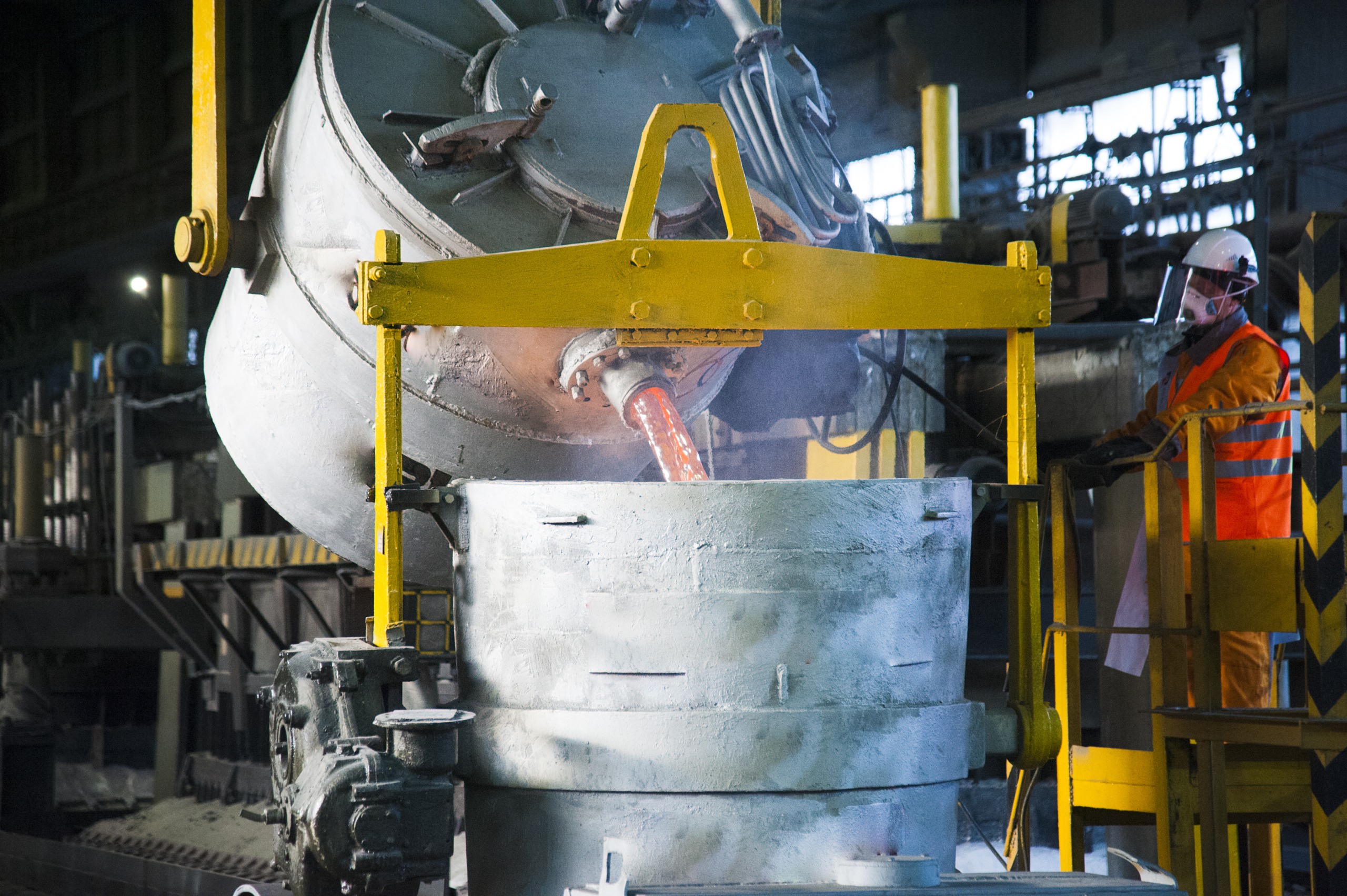
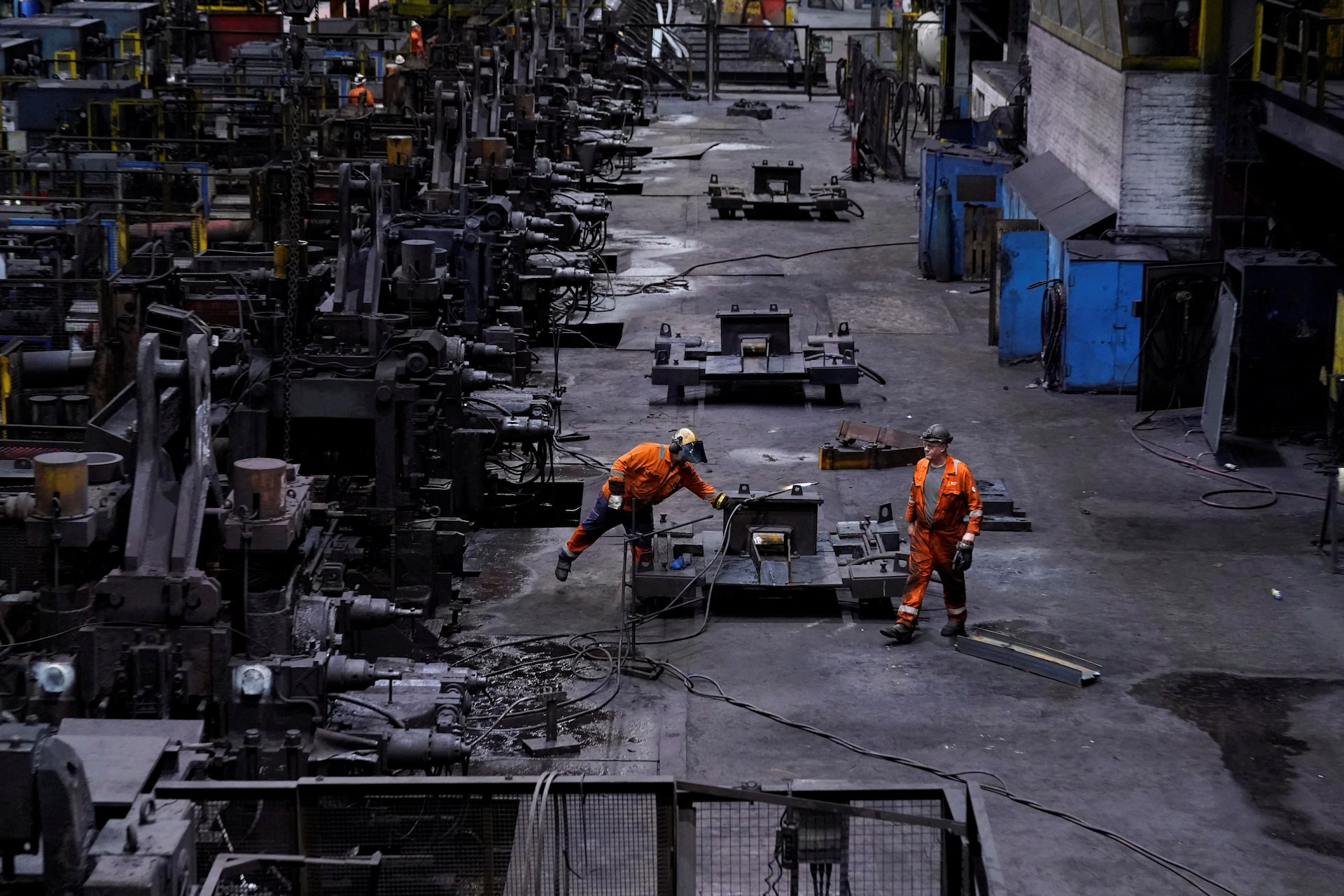
Scunthorpe remains the UK’s principal source of virgin steel produced from iron ore, with its blast furnaces supplying material for rail, construction, engineering, automotive, defence, and infrastructure applications. The operation supports thousands of direct jobs, alongside employment among contractors, logistics providers, maintenance companies, processors, and equipment suppliers.
Public ownership gives the government direct authority over the company’s investment programme, although it does not settle the larger question of how Scunthorpe should produce steel over the coming decades. Existing blast furnace assets require substantial maintenance, while any replacement route will involve several years of engineering, permitting, construction, and commissioning.
The new leadership team has been asked to stabilise operations and develop proposals for a commercially sustainable, low-carbon business. Ministers will also examine potential private investment, leaving open the possibility that British Steel could eventually return to partial or full private ownership once its industrial direction has been established.
Decarbonisation choices will determine much of the capital requirement. Blast furnaces can produce large volumes of virgin steel across demanding grades, but their dependence on coke and iron ore creates high carbon emissions. Electric arc furnaces use scrap and electricity, reducing direct emissions considerably when powered by a low-carbon grid, yet they do not provide a simple substitute for every feedstock, grade, or production requirement.
The electric arc furnace transformation under way at Port Talbot provides a nearby industrial comparison, although British Steel’s product mix and role in long products differ from Tata Steel’s operations in South Wales. Decisions at Scunthorpe will need to reflect the grades demanded by rail, defence, construction, and heavy engineering customers rather than applying a standardised transition model.
Hydrogen-based direct reduced iron, carbon capture, hybrid furnaces, and combinations of imported and domestic feedstocks remain possible elements of a future production system. Each route carries different requirements for electricity, gas, hydrogen, transport infrastructure, storage, scrap quality, carbon handling, and technical skills.
Energy cost will remain a central commercial constraint. UK steel producers have repeatedly faced higher industrial electricity prices than competitors in parts of continental Europe, while global overcapacity continues to depress prices and encourage material to move into markets where trade barriers are weakest.
New UK steel trade measures, including lower import quotas and a 50% tariff above specified volumes, offer greater protection against some forms of excess supply. Domestic producers will still need dependable order books, however, particularly from publicly funded rail, energy, defence, and infrastructure programmes capable of supporting long-term investment.
Procurement policy has often promised more than it has delivered to UK mills. Major projects can specify domestic content, carbon intensity, traceability, and security of supply, but those requirements must appear early enough for producers to plan capacity and qualify products. Sporadic commitments made after contracts have been designed around imported material provide little basis for industrial renewal.
Customers also require continuity while the ownership and production strategy are reorganised. Steel grades used in regulated or safety-critical applications may take considerable time to qualify, and uncertainty over future availability can encourage buyers to develop alternative sources before an interruption occurs.
Maintaining the blast furnaces preserves time for a planned transition, but the cost of delay will rise if ageing equipment absorbs capital without moving the plant towards a durable production model. Investment decisions will therefore need to distinguish between work required to maintain safe output and expenditure that advances the eventual replacement system.
Public ownership creates an opportunity to align steelmaking with industrial strategy, grid investment, renewable energy, defence procurement, scrap policy, and infrastructure delivery. It also transfers operating and investment risk directly to the state, placing greater scrutiny on how capital is allocated and how performance is measured.
British Steel now has operational continuity, a protected workforce, and a government prepared to accept responsibility for the company’s direction. Its longer-term position will depend on whether that intervention produces modern manufacturing capacity, reliable demand, and a credible route to lower-carbon steel rather than another prolonged period of expensive uncertainty.