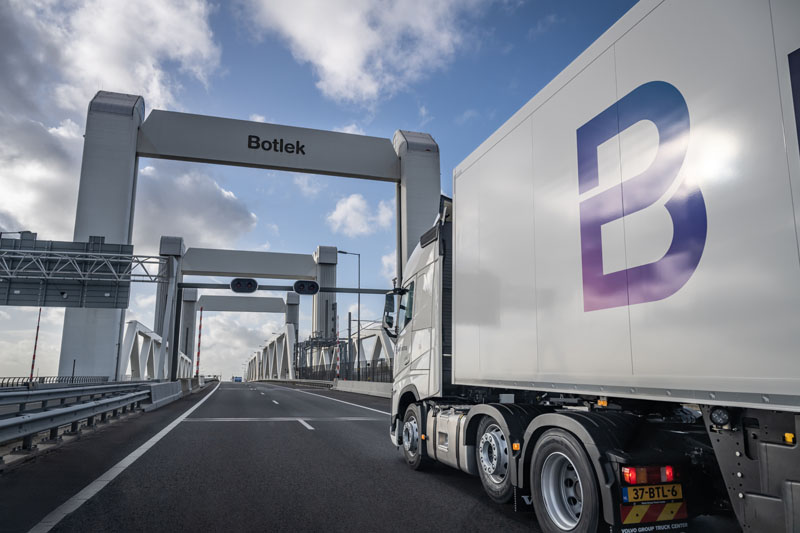
Brenntag has taken exclusive responsibility for the market development and distribution of Evonik’s REXIM GMP-grade amino acids across most European markets.
Effective from 1 July, the agreement covers the DACH region, the UK, France, Benelux, Scandinavia, Central and Eastern Europe, Israel, and Turkey. Italy, Ukraine, the Middle East, and Africa remain outside the arrangement.
The REXIM portfolio includes highly purified natural and non-natural amino acids and derivatives used in medical nutrition, pharmaceutical active ingredients, excipients, and cell-culture media for biopharmaceutical manufacture.
Brenntag will combine regional warehousing, distribution, technical support, regulatory knowledge, and commercial coverage with Evonik’s manufacturing capability. The structure provides customers with a local supply route while retaining production and product expertise within the original manufacturer.
Amino acids perform several functions across regulated production, acting as active ingredients, formulation components, nutritional substances, process inputs, or nutrients within cell cultures used to manufacture biological medicines.
Those applications demand more than a headline purity specification. Pharmaceutical manufacturers require consistency between batches, controlled impurity profiles, documented raw materials, suitable packaging, stable storage conditions, change notification, and evidence that production operates under an appropriate quality system.
Evonik uses fermentation, bioconversion, and synthetic manufacturing routes across the portfolio. Different molecules and grades require distinct combinations of reaction, purification, analytical control, containment, and drying.
Fermentation uses biological systems to produce selected compounds, while bioconversion applies microorganisms or enzymes to transform a precursor. Synthetic routes may be better suited to non-natural amino acids and derivatives that cannot be produced efficiently through biological processes.
Each route creates a different impurity profile and set of scale-up constraints. Raw-material availability, waste streams, energy use, process stability, and purification requirements vary substantially, so changes to the manufacturing route or site may affect a customer’s validated process and regulatory documentation.
Distribution becomes part of the quality chain once material leaves the plant. Temperature, humidity, packaging integrity, contamination control, stock rotation, and transport conditions must remain within the specified limits before the product reaches the customer.
Regional inventory can reduce lead times and improve responsiveness, although distributors must retain full traceability, segregation, documentation, complaint handling, and recall capability. Qualified customers may also require audits and detailed evidence covering storage and repacking activities.
European pharmaceutical companies continue to examine supply resilience after repeated disruption involving chemicals, energy, freight, and concentrated upstream manufacturing. Regional production and warehousing can reduce some exposure, but security still depends on raw materials, utilities, workforce capability, equipment reliability, and available production redundancy.
Cost pressures remain visible across the sector. Energy-intensive chemical production and specialist purification can be affected by changes in utilities, feedstocks, transport, and regulatory obligations, while pharmaceutical customers expect long-term consistency after a raw material enters an approved product.
Biopharmaceutical growth is adding demand for amino acids used in cell-culture media. These materials influence cell growth, protein expression, product quality, and process consistency, meaning functional performance can be as important as compliance with a standard chemical specification.
As biological manufacturing spreads across larger and more varied production networks, raw-material characterisation is becoming more detailed. Small variations that appear acceptable under general analytical testing may still alter the behaviour of a sensitive cell line or downstream purification process.
Brenntag must manage customers whose order profiles differ widely. An active-ingredient manufacturer may need large validated batches under a long-term agreement, whereas a development laboratory or specialist nutrition producer may require smaller quantities, rapid availability, and close technical support.
Forecast accuracy and inventory positioning will influence whether the enlarged distribution network improves resilience or merely moves stock between organisations. Regulated products can have substantial shelf lives, but excess inventory still ties up capital and can become unusable following specification or regulatory changes.
The agreement gives Evonik broader regional reach while placing Brenntag at the centre of customer service, logistics, and technical support. Pharmaceutical manufacturers will judge the arrangement through batch consistency, documentation, delivery performance, change control, and the speed with which problems are resolved across the enlarged European territory.