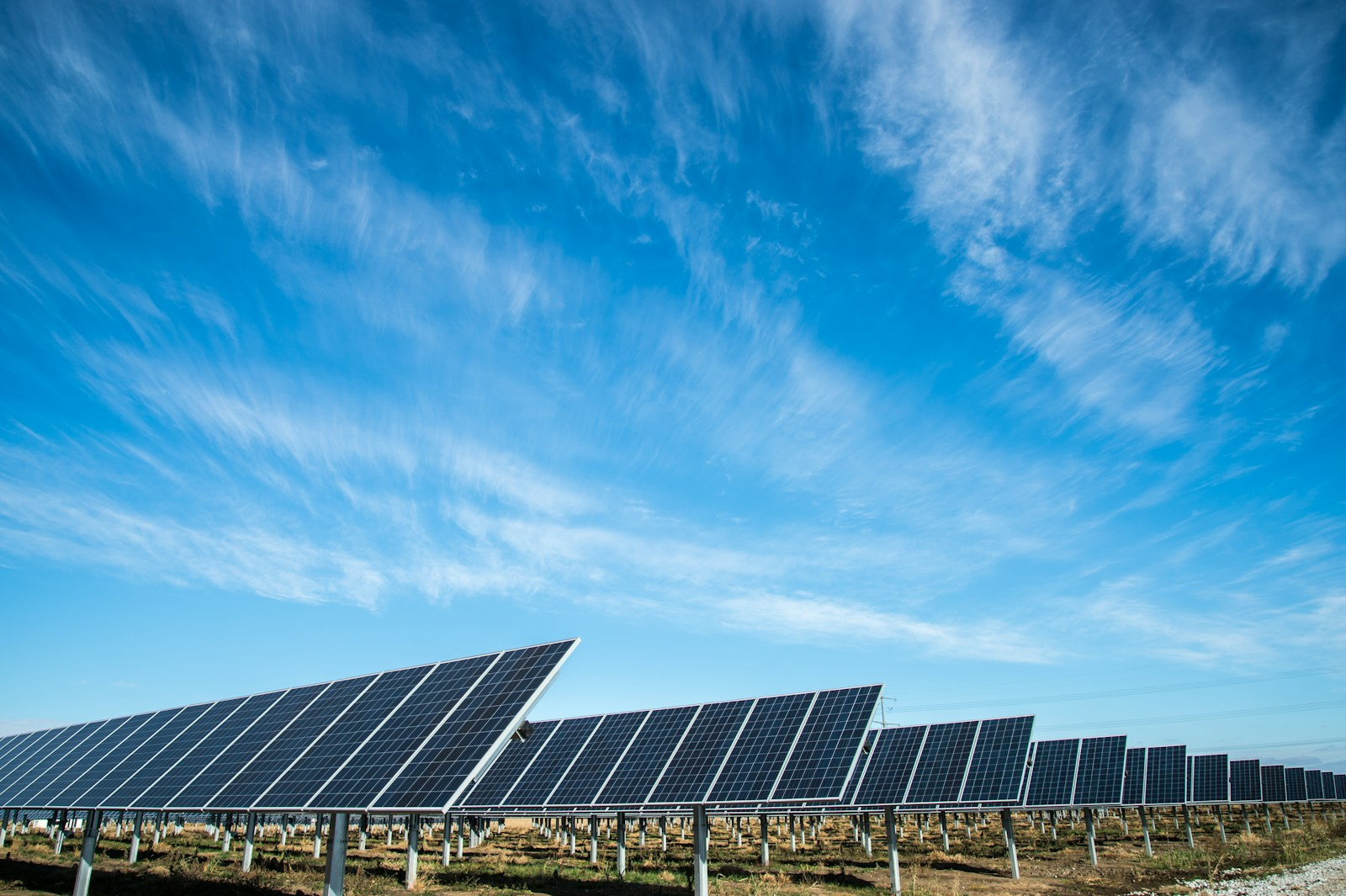
Andritz and RAG Austria have started construction of a 12.5MW green hydrogen plant at Gampern in Upper Austria, where surplus summer solar generation will be converted into fuel for winter use.
Scheduled to enter operation at the end of 2026, the facility is expected to produce around 17 million cubic metres, or more than 1,500 tonnes, of green hydrogen each year. It will become Austria’s largest operating green hydrogen production plant.
Andritz is delivering the project on an engineering, procurement, and construction basis, with responsibility for the integrated production facility, hydrogen purification, compression, and commissioning. RAG plans to connect the output with its wider seasonal energy-storage activities.
The operating model is designed around a persistent imbalance in renewable power systems. Solar generation peaks during longer summer days, while electricity and heating demand rise during winter, and the periods of highest production and consumption rarely align.
Batteries can shift electricity across hours and support grid balancing, but storing large quantities of energy across several months requires different infrastructure. Hydrogen allows surplus electricity to be converted into a gas that can be stored, transported, used by industry, or returned to heat and power when required.
Producing that gas involves considerably more than installing electrolyser stacks. The plant needs treated water, electrical conversion equipment, cooling, process controls, safe management of oxygen and hydrogen streams, purification, compression, metering, storage interfaces, and hazardous-area protection.
A single EPC contract reduces the number of technical and commercial interfaces carried by the owner, although it transfers greater integration responsibility to Andritz. Civil works, process equipment, electrical systems, automation, and commissioning must operate as one plant rather than as a collection of packages.
The hydrogen sector is increasingly moving towards that conventional process-engineering discipline. Early projects often centred on the performance of individual electrolyser technologies, whereas larger plants are judged through whole-site availability, product quality, energy consumption, maintainability, and the reliability of their balance-of-plant systems.
Electrolyser manufacturing remains one of the weaker links in the market. A move towards licensed electrolyser production by Clean Power Hydrogen illustrates how technology developers are reconsidering the capital, supply, and service demands involved in building equipment directly at scale.
Gampern’s seasonal role creates a particular economic challenge. Electrolysers recover their capital cost more readily when they operate for long periods, yet a system tied to surplus solar generation may face variable hours and frequent changes in load.
Plant controls will need to balance electricity price, available renewable output, hydrogen demand, storage capacity, and equipment efficiency. Flexible operation can capture low-cost power that might otherwise be curtailed, but repeated cycling must not shorten stack life or destabilise gas quality.
Compression and storage also consume energy, while reconversion into electricity introduces further losses. Hydrogen is therefore poorly suited to competing with batteries for short-duration balancing, although its lower round-trip efficiency can be acceptable where the alternative is losing renewable generation or relying on imported fuel during winter.
RAG’s experience with underground gas storage gives the project a route beyond on-site production. Existing subsurface assets and gas-handling expertise could support larger seasonal reserves, provided that material compatibility, purity, injection behaviour, withdrawal rates, and regulatory requirements are managed carefully.
Industrial offtake will determine how much value the plant can capture. Steel, chemicals, refining, glass, ceramics, transport, and power generation can all use hydrogen, but their pressure, purity, volume, location, and pricing requirements differ enough to prevent a single commercial model from serving every customer.
Electrical infrastructure remains another constraint. A 12.5MW electrolyser represents a substantial controllable load, which can support the grid when operated flexibly but still requires connection capacity, power quality, and commercial arrangements that reward consumption during periods of excess generation.
At its planned scale, Gampern is large enough to provide meaningful operating data without carrying the delivery risk of the multi-hundred-megawatt projects proposed elsewhere in Europe. It has a defined contractor, a storage-led use case, and an operating date close enough to test.
Construction will now expose the assumptions made during design, procurement, and project development. Once commissioned, the plant must demonstrate stable hydrogen production, effective seasonal storage, and a cost structure that can survive beyond the availability of surplus electricity.
The market already contains many ambitious capacity announcements; dependable plants with transparent operating performance remain much rarer. Gampern can narrow that gap if its integrated systems deliver the 17 million cubic metres expected each year.