Clean Power Hydrogen has signed a binding term sheet with Lisheen H2 Energy Park, trading as Hidrigin, as the Doncaster-based electrolyser developer moves towards a lower-cost, IP-led technology and licensing model.
The proposed arrangement includes a £750,000 convertible loan note from Hidrigin, subject to CPH2 completing an equity fundraise of at least £3m. The parties have also agreed a nine-month exclusivity period to negotiate a strategic partnership and manufacturing and technology development agreement.
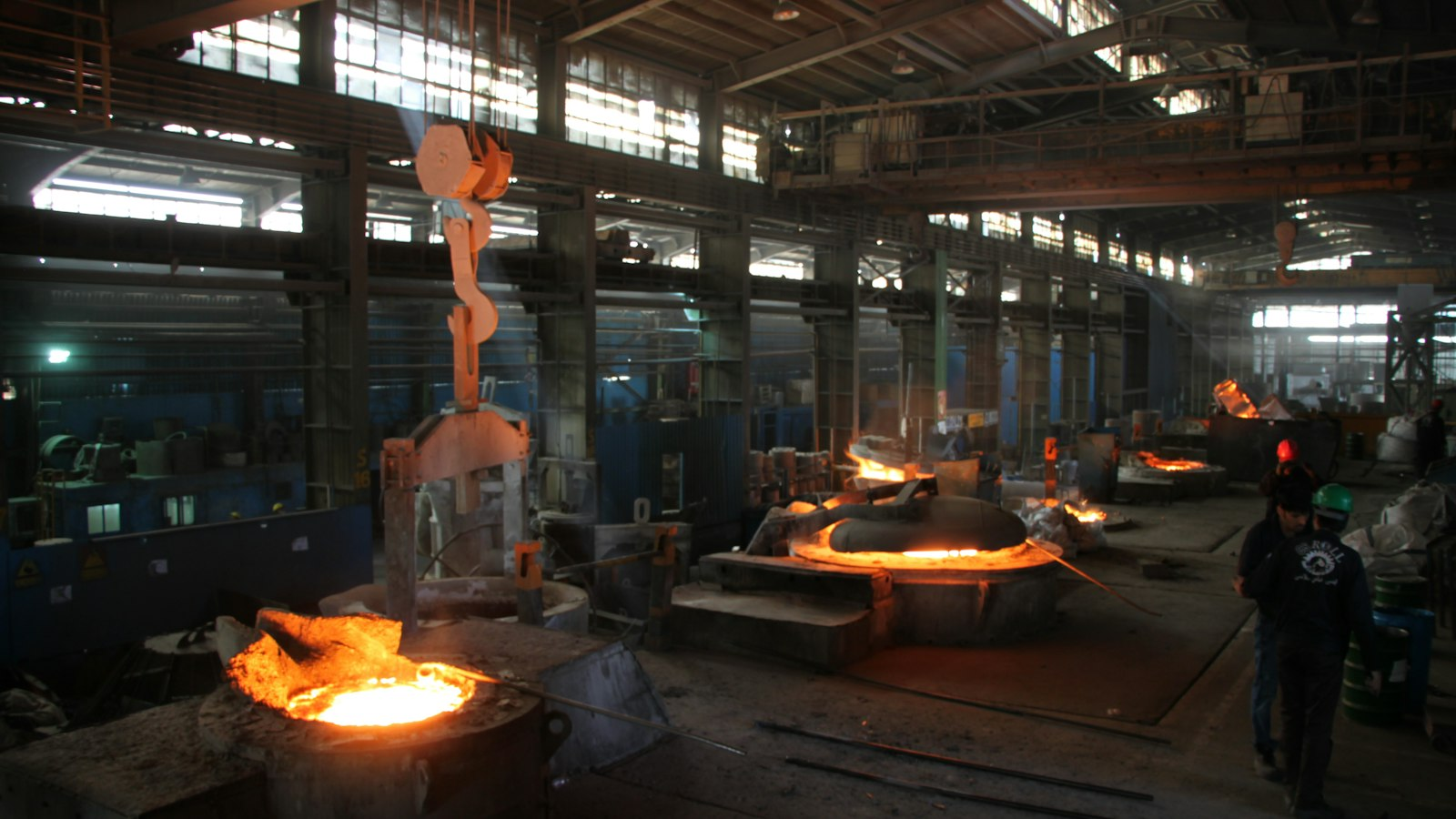
Under the proposed structure, Hidrigin could become CPH2’s exclusive manufacturing partner across the UK, Ireland, the US, Canada, and Mexico. Manufacture of the electrolysers would be outsourced to Jones Engineering Manufacturing, giving CPH2 a route to market that separates technology ownership and development from direct equipment production.
The move follows a difficult period for CPH2. During final testing of its MFE220 1MW unit at Rossington near Doncaster, the system experienced an unexpected error and began a standard shutdown procedure. The shutdown was followed by an incident that caused significant damage to the equipment. The company subsequently decided to cease manufacturing activity and adopt a more capital-light model focused on research, development, and licensing of protected intellectual property.
Hardware development in hydrogen requires more than a strong technical concept. It needs capital, supply chain control, manufacturing engineering, quality systems, test infrastructure, field-service support, and enough orders to justify scale. Electrolyser companies face all of those demands while operating in a hydrogen market that is growing strategically but still uneven commercially.
CPH2’s membrane-free electrolyser technology has been promoted around lower-cost hydrogen production, but industrialisation has proved challenging. Moving to a licensing model reduces the burden of building and operating a manufacturing base directly, while allowing specialist partners to handle production. That preserves technical focus, but it also makes partner selection, documentation, transfer discipline, and manufacturing governance central to the business.
Hydrogen equipment production sits within a wider European and UK effort to turn policy commitments into deployable infrastructure. Large energy programmes, including European funding for cross-border infrastructure, are treating hydrogen, electrolysers, electricity networks, and CO₂ systems as connected parts of future industrial energy networks.
The same logic applies at company level. Electrolysers are not standalone products in practical deployment. They must connect to power systems, water treatment, compression, controls, safety systems, storage, offtake arrangements, maintenance regimes, and permitting. A manufacturer must therefore supply equipment that can be integrated into real projects rather than only demonstrate performance in controlled test settings.
Outsourced manufacturing can help if it brings stronger production discipline. Jones Engineering Manufacturing’s role would potentially give the arrangement a more established engineering route for build activity, while Hidrigin’s renewable energy project development work could provide direct connection to future hydrogen sites. That combination is commercially useful because electrolyser developers need customers with projects, not only technology interest.
Execution remains the hard part. Licensing models require clear technical packages, manufacturing procedures, inspection criteria, service arrangements, liability boundaries, and change-control systems. If a product is still evolving technically, transferring it into a partner manufacturing environment can expose unresolved design, supply chain, or testing issues. The nine-month exclusivity period therefore has to resolve more than commercial terms; it has to prove that the production route can support reliable equipment delivery.
The convertible loan note also shows the financial pressure facing early-stage hydrogen hardware companies. Policy enthusiasm has not removed the need for working capital, customer confidence, and evidence that products can be manufactured repeatedly. Investors are now demanding clearer routes to revenue, stronger capital discipline, and reduced exposure to costly in-house production before technology is ready for scale.
The proposed partnership keeps CPH2’s research and IP value in focus while looking to external manufacturing capability to carry the production burden. If completed, the agreement would move CPH2 away from being a vertically integrated manufacturer and towards a technology owner with licensed routes into multiple markets.
The next stage will determine whether the reset is enough. CPH2 still has to complete its fundraise, finalise definitive documentation, and rebuild confidence after the test incident. The proposed Hidrigin partnership gives the company a possible route back towards commercial deployment, but in hydrogen equipment, credibility will ultimately be measured by reliable systems operating at customer sites.