DORIS is supporting Perenco Brazil on the preliminary front-end engineering design and advanced FEED phases of the Cherne revitalisation and electrification project in Brazil’s Campos Basin.
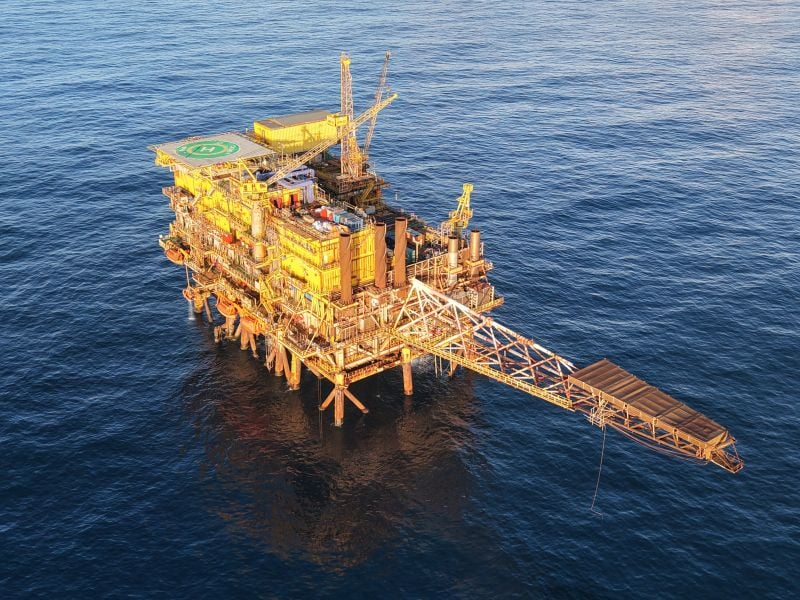
The work covers the PCH1 and PCH2 offshore platforms, which were commissioned in 1984 and have been offline since 2020. Each platform has topsides of between 15,000 tonnes and 18,000 tonnes. DORIS is supporting Perenco from concept through detailed engineering in collaboration with DORIS MMC.
The project is part of Perenco’s redevelopment programme for the Cherne and Bagre concessions, acquired from Petrobras in 2025. The wider reactivation plan is intended to restore production from the mothballed platforms, with earlier project details setting out a target of up to 15,000 barrels of oil per day and more than 50 million stock tank barrels of reserves.
The programme is structured around three linked stages. The first covers integrity revitalisation of the PCH1 and PCH2 platforms, systems, and associated equipment, including turbines, water treatment systems, metering systems, and upper deck flowlines. The second includes installation of a new 10 inch pipeline over the 27 km route from PCH1 to the Pargo platform and then through the existing export line to FSO Pargo, alongside a water injection line between PCH1 and PCH2. The third focuses on well interventions and re-entries, with 36 wells expected to return to service through workovers and further evaluation of gas lift or electric submersible pump options.
Brownfield offshore work is technically different from new build development. Engineers must work with ageing structures, incomplete or outdated records, modified systems, obsolete equipment, changing safety expectations, and unknown degradation. Restarting a platform after several years offline requires integrity assessment across structural steel, pipework, rotating equipment, electrical systems, control systems, safety systems, corrosion protection, process equipment, and export routes.
Electrification adds another layer of complexity. Mature offshore facilities can reduce emissions from local power generation, but new electrical infrastructure has to be engineered around existing topsides space, weight limits, cable routes, switchgear, control integration, power quality, reliability, and shutdown risk. On older platforms, the constraint is rarely one component. It is the interaction between new equipment and legacy systems built for a different operating era.
The Cherne project reflects a broader offshore market in which operators are trying to extract remaining value from mature assets while managing emissions and end-of-life obligations. Subsea decommissioning and recovery work is expanding as older infrastructure is removed, recycled, or reused. Cherne sits on the other side of that late-life equation, with offline platforms being assessed for restart where production, reserves, and redevelopment economics support the engineering case.
Engineering companies are increasingly being asked to work in this middle ground between new production and retirement. Full abandonment is expensive and irreversible, while restart programmes can be attractive if infrastructure integrity, reservoir performance, export routes, and regulatory conditions align. The work requires a disciplined view of asset condition, since optimistic assumptions around ageing equipment can quickly become schedule delay, cost escalation, and operational risk.
Electrification must also be judged against practical execution. Mature fields often face uncertain production profiles, so the capital cost of emissions reduction measures has to be balanced against remaining asset life and expected output. That does not reduce the need for emissions control, but it does require systems that are proportionate, maintainable, and compatible with the platform’s future operating envelope.
The Cherne programme reinforces continuing demand for brownfield engineering, project management, and advisory capability. Offshore development still includes new subsea and floating production projects, but a growing share of technical effort is moving into asset transformation: restarting, electrifying, extending, modifying, and eventually retiring infrastructure built during previous development cycles.
The project will test whether old platforms can be brought back into production while meeting modern expectations for safety, reliability, and emissions performance. Conventional energy assets are not disappearing quickly, but the conditions under which they operate are changing, and brownfield engineering is where that change becomes physical.