Alva Industries has launched GearTorq, a new series of frameless motors developed for geared applications and actuator systems.
The Trondheim-based company has designed the series around its proprietary FiberPrinting manufacturing technology. GearTorq introduces a longer form factor than Alva’s SlimTorq range, allowing engineers to make better use of available length in geared actuation designs and create more compact, power dense actuator systems.
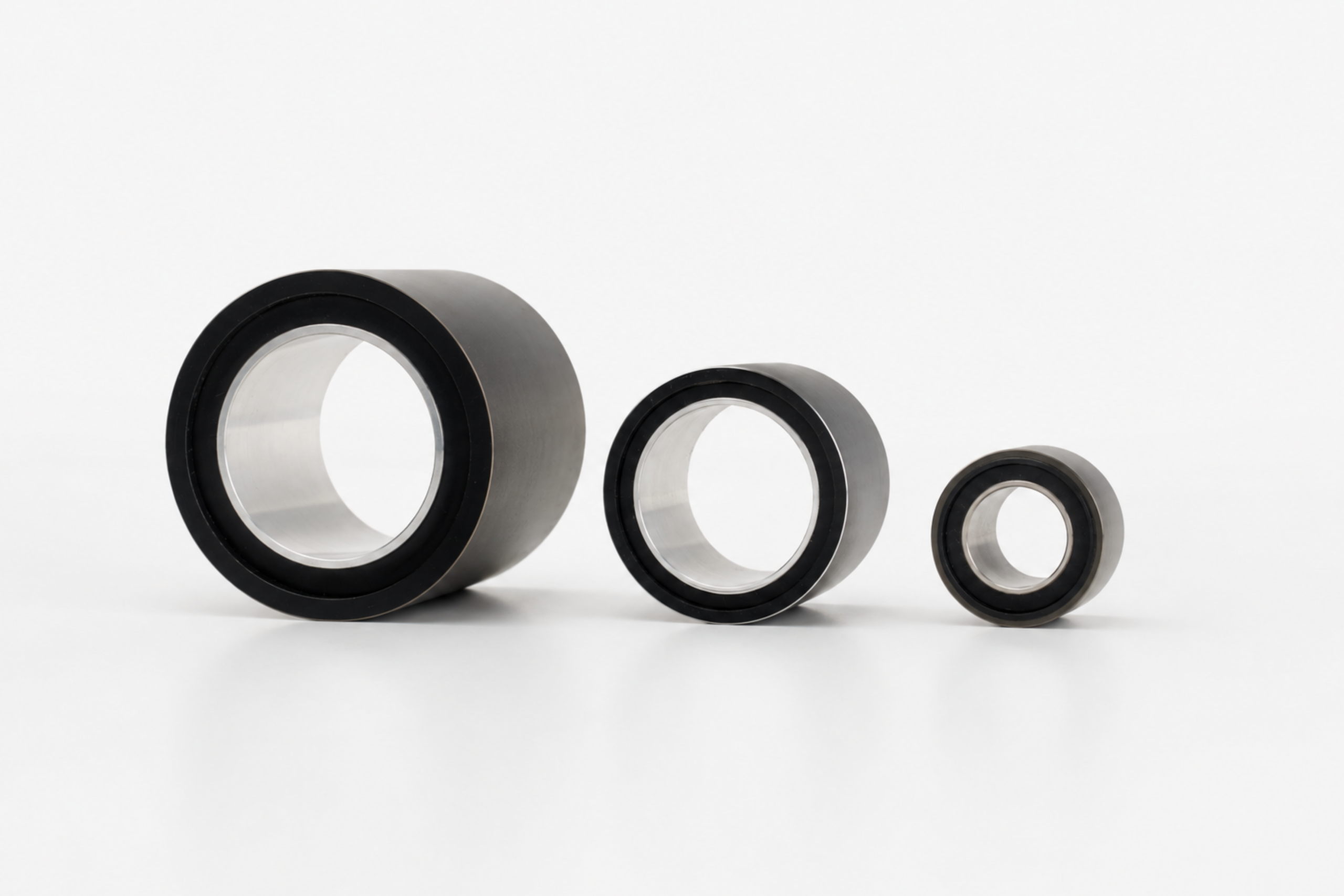
The motor architecture combines a compact outer form factor with a large inner diameter, allowing gear sets to be mounted directly within the centre of the motor rather than only in series with it. That approach is intended to help reduce overall actuator length, improve packaging efficiency, and integrate motion systems into constrained mechanical envelopes.
The initial launch includes motors with outer diameters of 39mm, 64mm, and 88mm. The series is available with different winding options and can be customised for application-specific requirements. Alva says GearTorq offers high torque density, strong peak torque capability, and no torque saturation.
Frameless motors are used where the stator and rotor are integrated directly into a mechanical system rather than installed as a complete housed motor. This approach is common in robotics, gimbals, exoskeletons, medical equipment, defence systems, aerospace mechanisms, and precision industrial automation, where space, mass, torque density, and mechanical integration are tightly linked.
The design distinction is important. A conventional motor with a separate gearbox can be easier to specify, but it can also add length, housing mass, interfaces, bearings, and alignment constraints. A frameless motor integrated around a gear set gives the designer more freedom, although it also requires stronger mechanical, thermal, and assembly engineering.
Alva’s earlier SlimTorq series focused on applications requiring a compact axial footprint. GearTorq gives the company a complementary range for applications where available length can be used to improve performance and integration. The two series give designers a choice between short axial packaging and geared actuation layouts where length can be used more effectively.
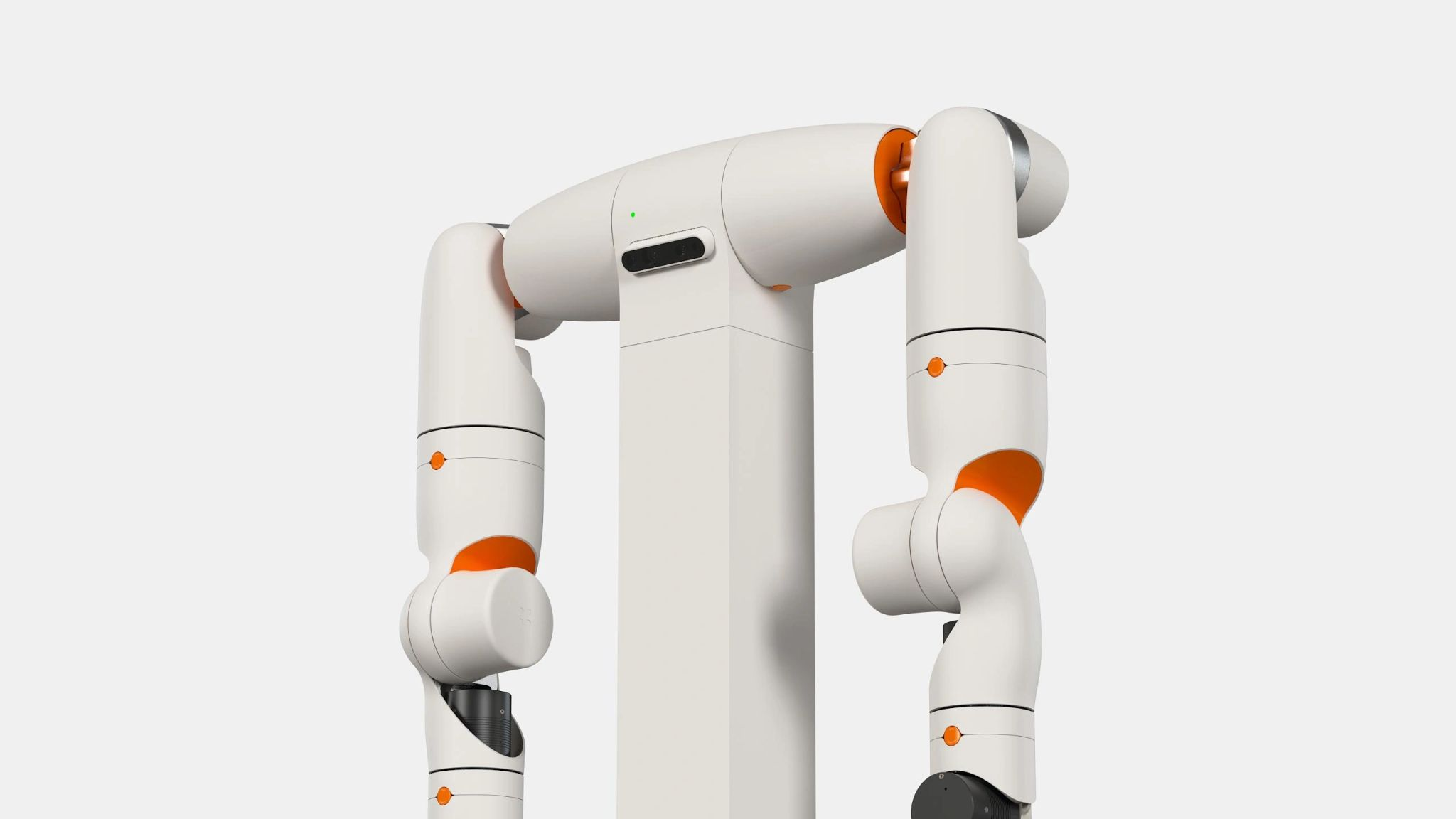
The launch builds on a broader trend in robotics and motion control. Actuators are becoming more integrated as systems designers try to reduce mass, improve responsiveness, and fit higher performance into smaller joints. Mobile robots, humanoid platforms, collaborative robots, defence mechanisms, and medical systems all place demanding requirements on torque, inertia, efficiency, and thermal behaviour.
Alva’s compact frameless motion technology has already been applied to robotics development through the SlimTorq range. GearTorq extends that approach into geared actuation, where designers often need torque multiplication but cannot afford the packaging penalty of conventional motor and gearbox layouts.
Placing gear sets within the motor’s centre could prove useful where joints, rotary stages, or actuation modules need to be shorter without sacrificing torque. It also raises engineering demands around assembly, gear support, heat management, cabling, sealing, and serviceability. Highly integrated actuators can deliver strong performance, but only when mechanical, electrical, and thermal decisions are treated together.
GearTorq widens Alva’s application reach across robotics, automation, defence, and precision motion systems. As machines become more compact and more capable, actuator design is one of the places where performance is won or lost. The new series is aimed directly at that constraint.