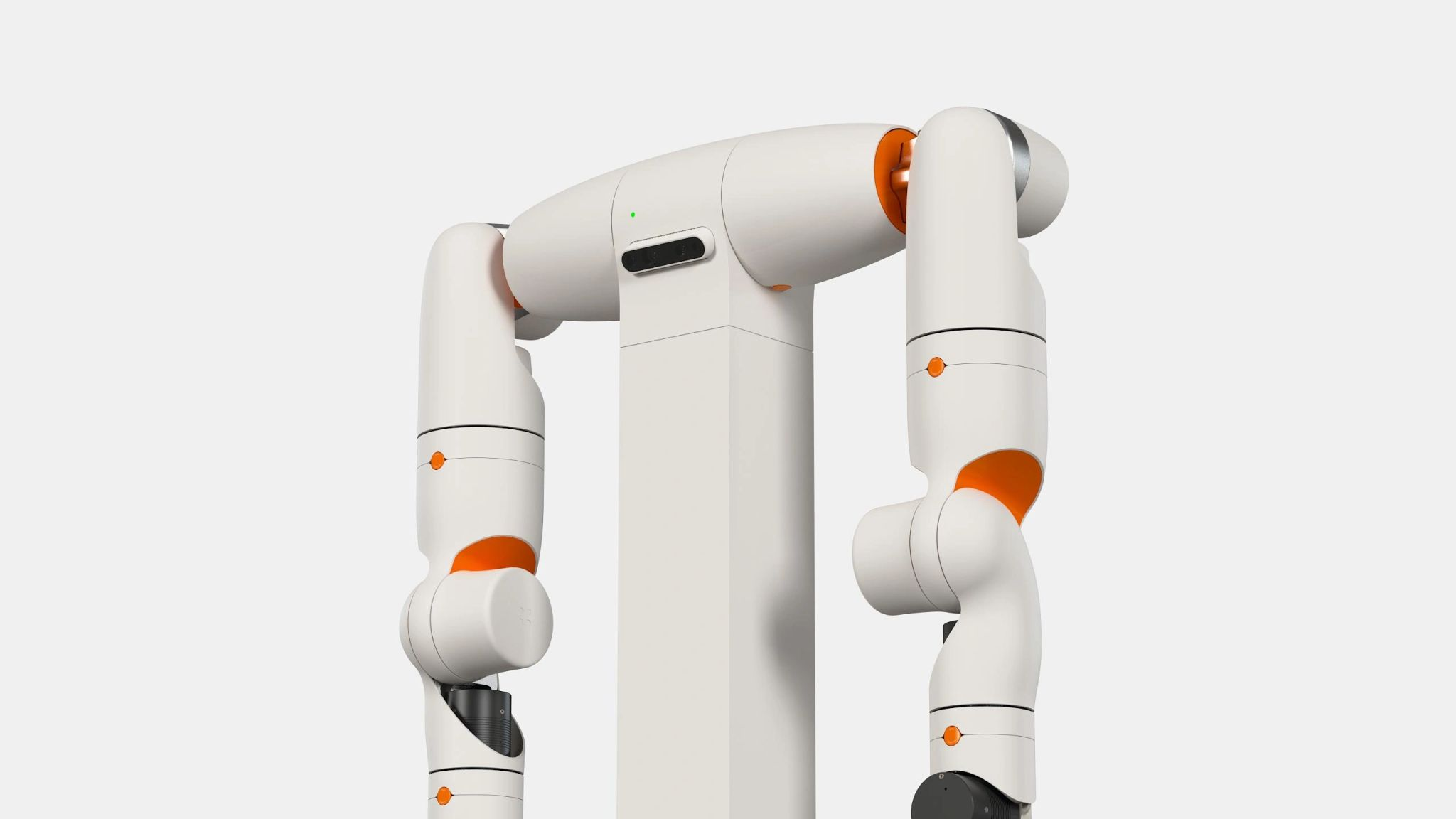
Festo has introduced GripperAI, an AI-powered software system designed to help robots handle mixed, unfamiliar, and randomly positioned products without extensive programming or template loading.
The software uses 3D camera data and local processing on an industrial PC to identify suitable gripping points. It can be used with industrial robots, collaborative robots, and Cartesian systems, giving manufacturing and logistics operations a route to automate handling tasks where product variation has previously made conventional robot programming difficult.
Traditional robotic picking works best where products are consistent, positions are known, and the process can be tightly controlled. Mixed bins, irregular product orientation, changing SKUs, and unstructured handling are more difficult. Engineers often need to create templates, define product-specific programmes, tune vision systems, and manage exceptions before a cell can run reliably.
GripperAI is intended to reduce that engineering load. Instead of requiring every object variant to be defined in advance, the software analyses the scene, selects a grip point, and supports automated handling of unknown or randomly oriented items. Festo previously developed the technology in a pilot customer project with Würth, where the system was designed to handle parts weighing up to 20kg in logistics environments.
The commercial introduction gives the software wider use across manufacturing, packaging, warehousing, intralogistics, and line-side handling. Operations dealing with spare parts, mixed components, e-commerce items, kitted production materials, returned goods, or flexible packaging formats often face the same constraint: robots are strong at repetition, while product variety disrupts repeatability.
AI-based gripping has become more credible because several supporting technologies have matured together. Low-cost 3D cameras are more accessible, industrial PCs can run more demanding models locally, robot interfaces have become easier to integrate, and machine-learning systems can now identify workable grip strategies without exhaustive manual programming.
Local processing gives the system a practical industrial footing. Pick decisions need to be made quickly and reliably, especially where the robot is integrated into a conveyor, sortation system, machine-tending cell, or packaging line. Keeping processing local also reduces exposure of production data and gives engineers more control over system behaviour.
Automation investment is increasingly judged on flexibility rather than simple labour substitution. Changeover time, programming burden, floor-space efficiency, operator safety, and resilience to product variation all shape deployment decisions. Systems that can handle a wider operating envelope without weeks of integration effort are more likely to survive contact with real production schedules.
That same pressure sits behind the Comau and OMRON Robotics collaboration, which combines robotics, control, software, and integration capability across electronics, semiconductors, medical manufacturing, light industry, and intralogistics. The common theme is flexibility that can be inserted into existing production environments rather than restricted to narrow demonstration cells.
AI gripping also intersects with labour and ergonomics. Mixed-product handling can be physically repetitive and awkward, particularly where items must be lifted from bins, totes, pallets, or conveyors. Automating part of that work can reduce strain while allowing operators to supervise, replenish, manage exceptions, check quality, and improve process flow.
Technical constraints remain. Grippers must suit the object range, and fragile, reflective, deformable, oily, porous, or highly variable items can remain challenging. Lighting, occlusion, bin depth, product weight, and cycle-time expectations all affect performance. Engineers still need to validate whether the system meets application-specific throughput, safety, and reliability requirements.
Robotics is nevertheless moving from fixed automation towards systems that can interpret more of the physical world around them. Festo’s GripperAI does not replace sound automation engineering, but it shifts part of the work from manually defining every object and orientation towards giving the robot enough perception to make useful decisions in a less ordered environment.