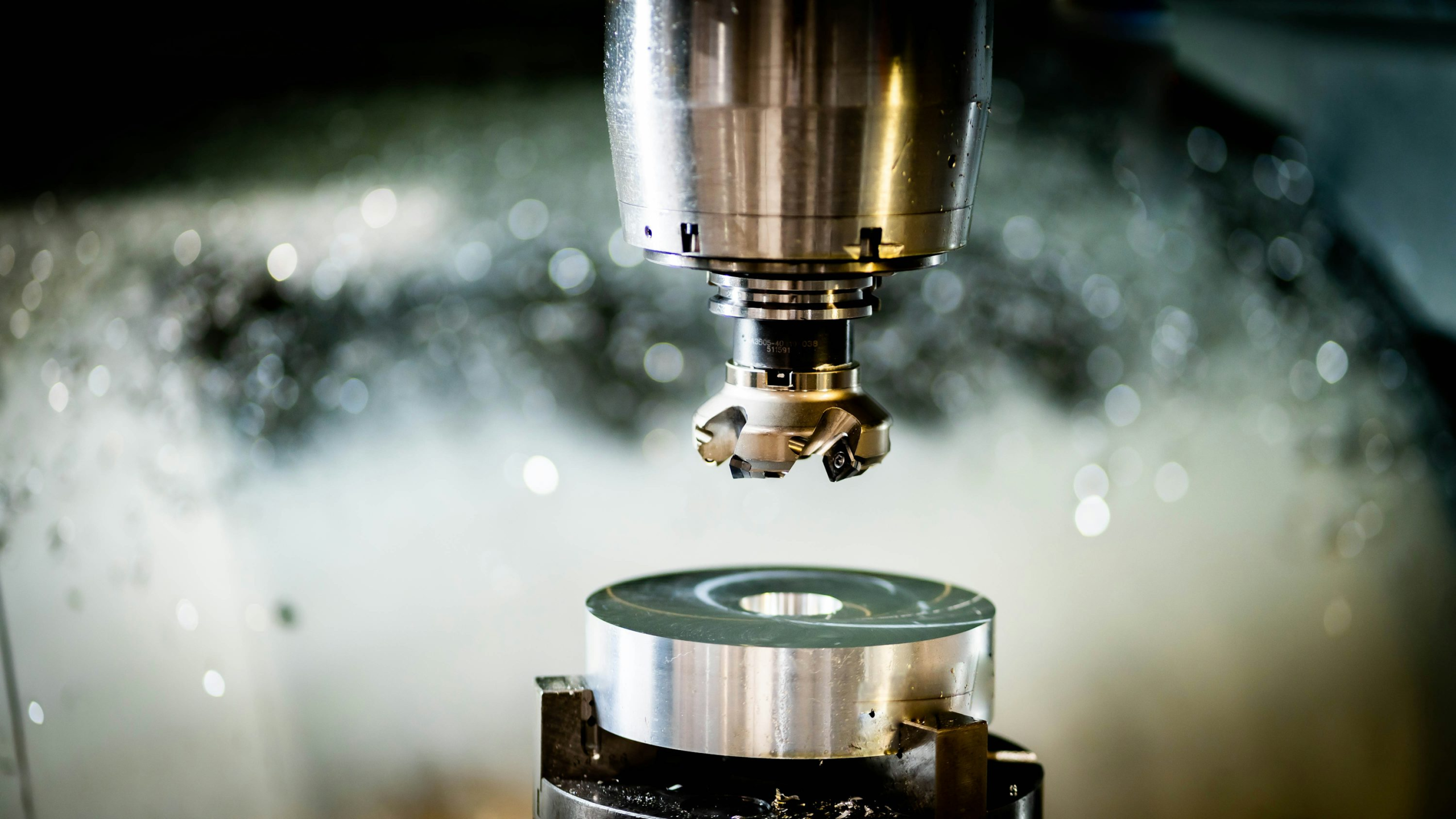
HIKMICRO is highlighting the use of acoustic imaging in automotive manufacturing, where compressed air leakage and pneumatic instability can affect energy efficiency, process control, and production consistency.
Modern vehicle production uses compressed air across robotic welding, automated paint systems, CNC machining, pneumatic tools, vacuum handling, and final assembly operations. Unlike many mechanical or electrical faults, small air leaks can remain hidden in noisy production areas while gradually increasing compressor load and reducing system stability.
Manufacturing facilities can lose 20% to 30% of compressed air through leakage, with large automotive plants particularly exposed because of their extensive pneumatic networks and distributed equipment. Even relatively small leaks can accumulate into substantial energy waste, while pressure variation can affect weld repeatability, paint atomisation, tool torque, gripping reliability, and cycle stability.
Acoustic imaging converts high-frequency sound into visual information, allowing maintenance teams to identify compressed air leaks and abnormal sound sources while production continues. Instead of requiring a technician to interpret single-point ultrasonic readings, the camera maps sound across the field of view and shows the source location on screen.
HIKMICRO’s AI Series acoustic imaging cameras use up to 136 low-noise MEMS microphones, with adjustable bandwidth technology covering up to 96 kHz. The AI76 model is specified for leak detection as low as 0.0047 l/min at 6 bar from 0.5 m, while long-distance operation of up to around 150 m allows checks from safer positions in hard-to-access or higher-risk areas.
Real-time visualisation is provided through a 4.3-inch touchscreen, and the integrated software can estimate leak rate, cost, and energy impact. Voice, text, QR code, and image annotations give maintenance teams a record of the inspection, which can then be used for repair planning, verification, and recurring air audit programmes.
In robotic welding cells, where moving hoses and pneumatic connections may be difficult to access, acoustic imaging allows leaks to be located without interrupting robot operation. Paint shops can use the technology to check air stability around spray systems, while final assembly areas can inspect pneumatic tools and vacuum systems before drift in performance shows up as quality variation or stoppage risk.
The same approach can be extended beyond the line to compressor stations, central utility systems, machining workshops, casting areas, and moulding operations. Faster detection changes the maintenance rhythm, moving leak management away from sporadic troubleshooting and towards structured inspection based on measurable loss.
“Automotive manufacturing is fundamentally built on repeatable and efficient processes,” said Stefan Li, Overseas Market Director at HIKMICRO. “Acoustic imaging gives maintenance teams visibility into problems that traditionally remain hidden until they disrupt production. By transforming sound into actionable visual information, manufacturers can move from reactive maintenance to predictive and data-driven operational management.”
Further information is available through the HIKMICRO AI Series acoustic camera product page.