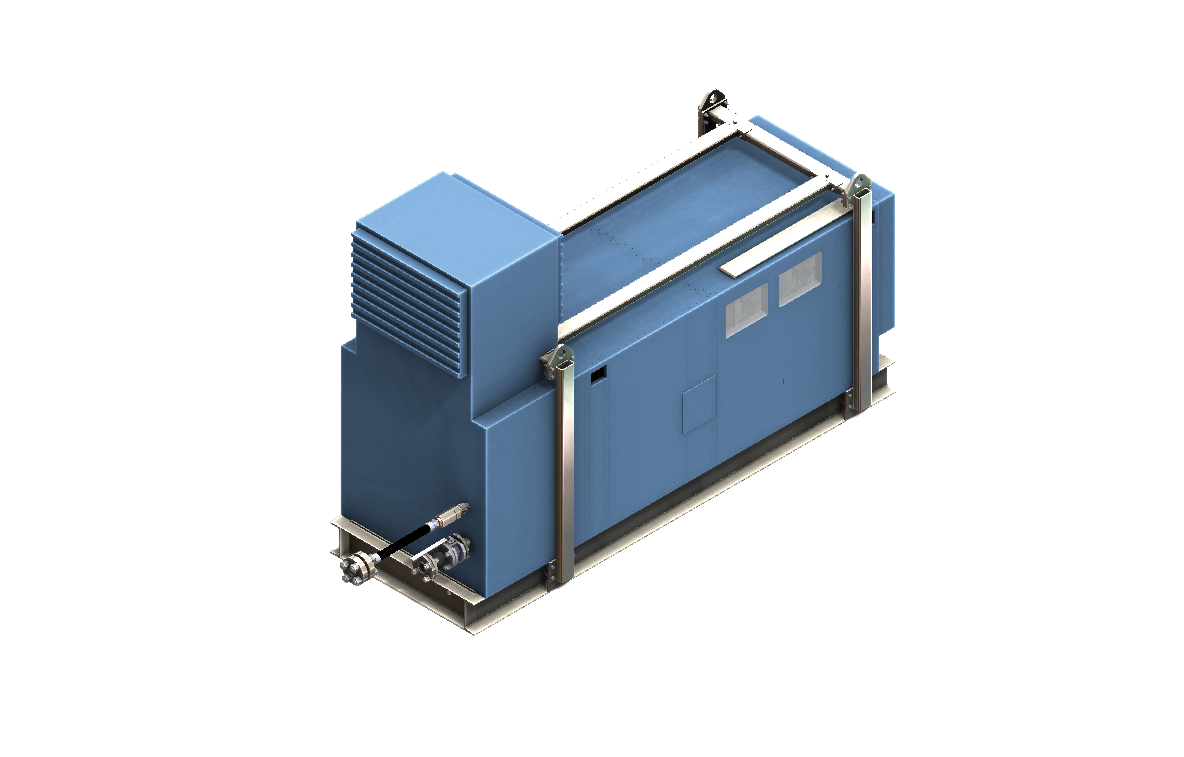
University of Birmingham researchers have demonstrated a vibrational exfoliation technique for producing graphene and other two-dimensional materials at room temperature without toxic solvents.
The method uses high-intensity vibration to split and peel molecularly thin layers from bulk materials. Researchers led by Dr Jason Stafford from the Department of Mechanical Engineering have shown that the technique can produce nanosheets of conductors, semiconductors, and electronic insulators.
The research, published in Small, covers graphene, hexagonal boron nitride, molybdenum disulfide, and tungsten disulfide. These materials are used or under development for electronics, optoelectronics, energy devices, sensors, composites, and catalysts, but production rate, cost, solvent use, and material consistency have limited industrial scale-up.
Dr Stafford said: “Our work shows a new way of making 2D materials that overcomes the production capacity issues of current methods, while simultaneously embedding sustainable manufacturing practices.”
Shear mixing and sonication can produce nanosheets, but typically operate at low material concentrations, limiting throughput and increasing solvent waste. Ball-milling can reduce solvent use and produce high yields, but long processing times, contamination risk, and defect formation remain barriers for advanced material production.
The Birmingham team used water and tannic acid rather than toxic solvents. Experimental work showed that the vibrational method can run at substantially higher concentrations than sonication or shear mixing, increasing production rates while preserving material quality.
Dr Stafford said: “By creating alternate, more sustainable synthetic routes for these exciting materials, we have an opportunity to lower the barrier for industrial translation. This will help facilitate future electronic devices, composites, and catalysts, while also avoiding unintended environmental consequences as production is scaled up.”
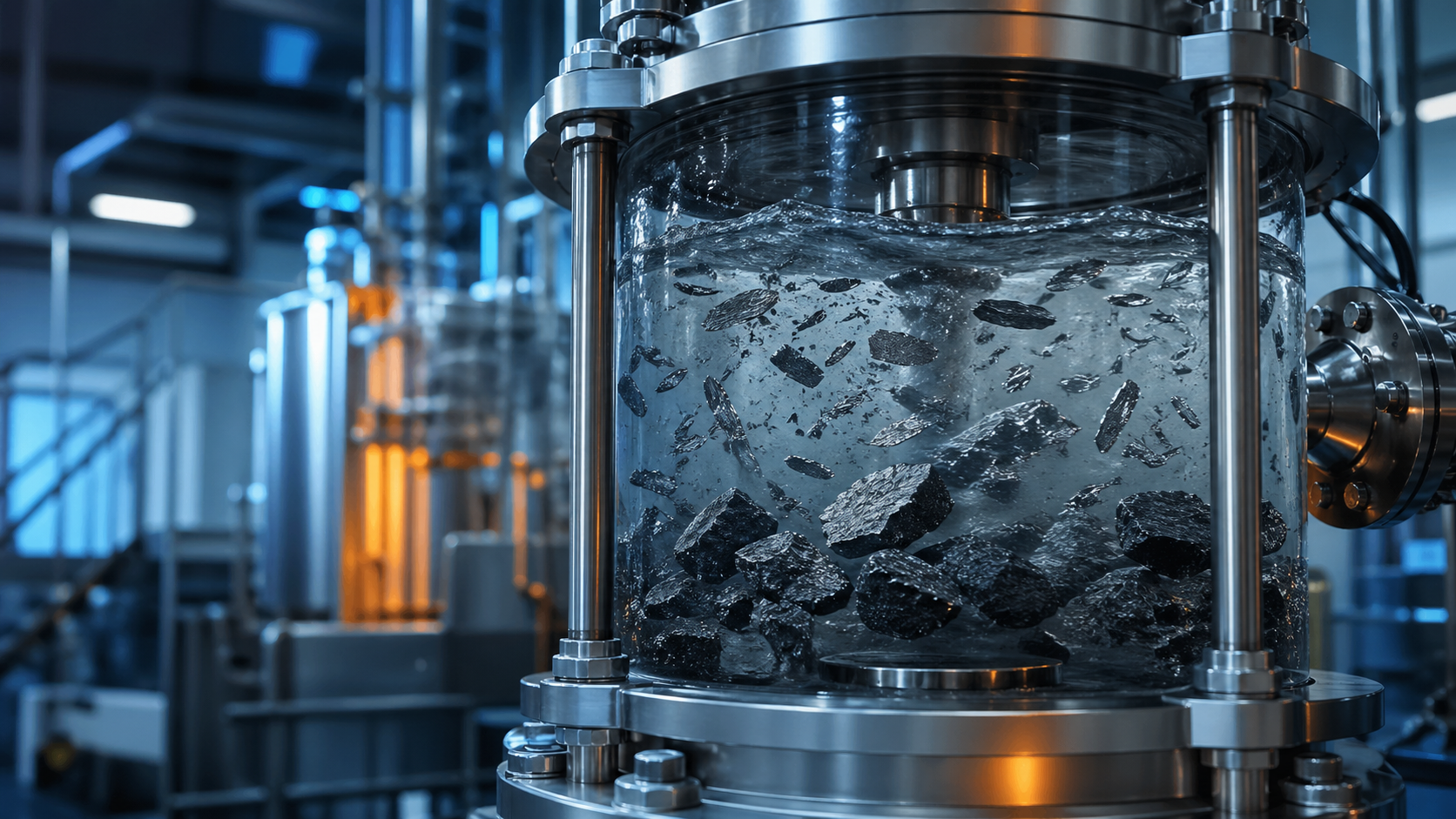
The research combined experiments, materials characterisation, and computational modelling to explain how bulk graphite is transformed into few-layer nanosheets. The work found that vibration causes graphite particles to fold at the edges, split into thinner layers, peel away from the parent particle, and form atomically thin graphene sheets under high strain rates in the liquid phase.
Early stages of graphene production were detected after five minutes, and spectroscopic analysis indicated that the method does not introduce defects into the graphene nanosheets. Dr Stafford is the main inventor on a patent application filed by University of Birmingham Enterprise for a high-throughput method for 2D and nanomaterial processing. Companies interested in licensing or collaborative development can contact University of Birmingham Enterprise.