The industrial equipment sector is undergoing a period of rapid transformation, shaped by new technologies, shifting market demands, and a growing emphasis on sustainability. From construction to manufacturing and logistics, businesses are seeking smarter, more efficient tools that enable them to stay competitive while meeting strict safety and environmental standards.
Among these developments, lifting and handling equipment continues to play a central role, providing the backbone for projects of all sizes.
Embracing Automation and Digital Integration
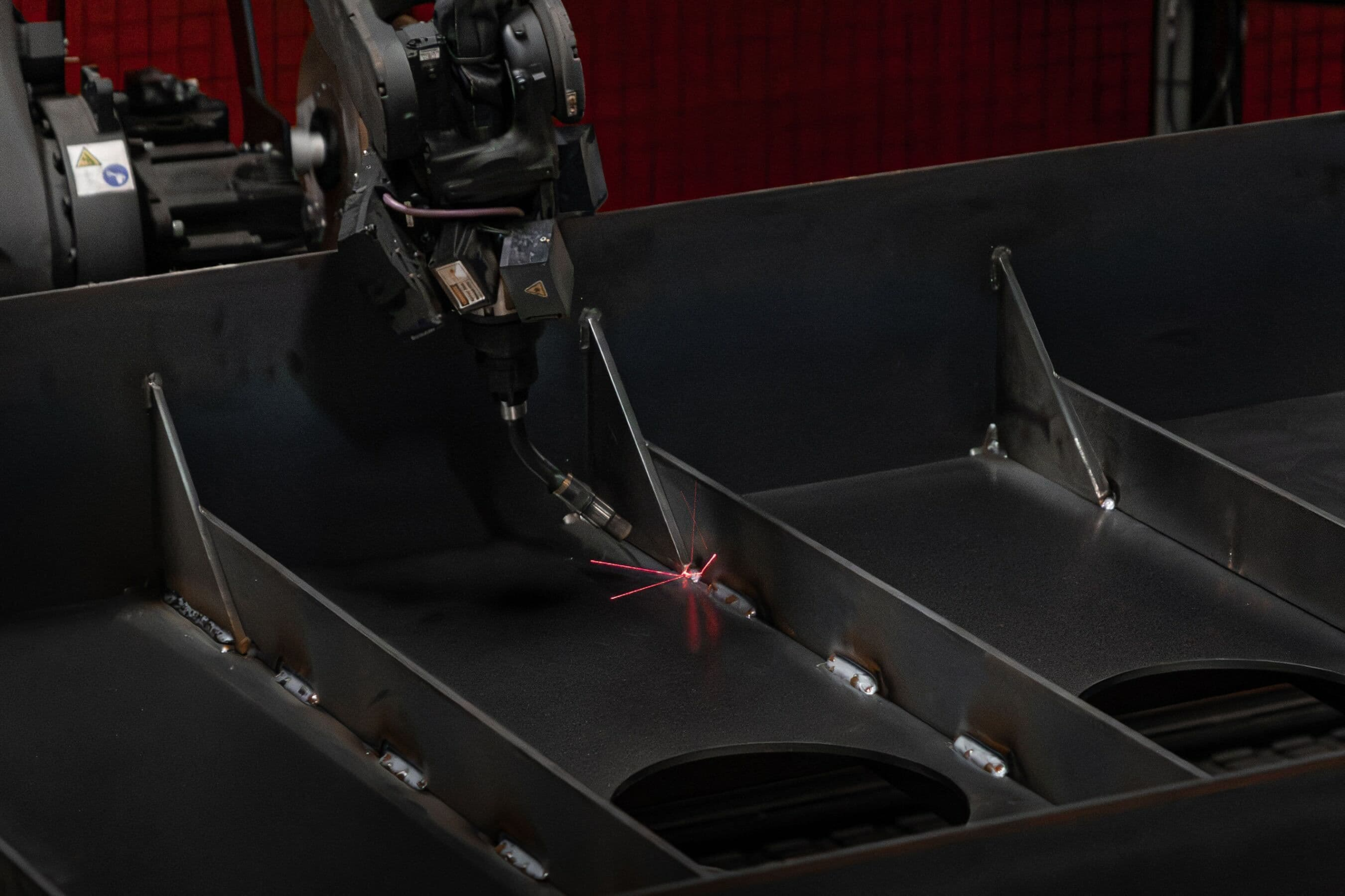
One of the most significant changes in recent years has been the rise of automation. Equipment fitted with sensors, smart controls, and digital monitoring systems allows operators to improve precision, reduce downtime, and identify maintenance needs before they become costly breakdowns.
This digital integration, often referred to as the Industrial Internet of Things (IIoT), is helping companies create safer and more efficient workplaces, while also driving long-term cost savings.
Increased Focus on Safety
Safety has always been a priority in industrial environments, but modern equipment is taking this to new levels. Anti-collision technology, load monitoring, and enhanced operator interfaces all contribute to reducing risks and creating safer working conditions. For sectors where heavy lifting and high-risk tasks are routine, these advancements are invaluable.
Sustainability and Energy Efficiency
As industries work to meet environmental targets, sustainability has become a central focus in equipment design. Manufacturers are now producing machinery with energy-efficient motors, regenerative braking systems, and recyclable components. For businesses, this not only helps reduce their environmental footprint but also cuts running costs, creating a win-win outcome.
Meeting the Demands of Larger, More Complex Projects
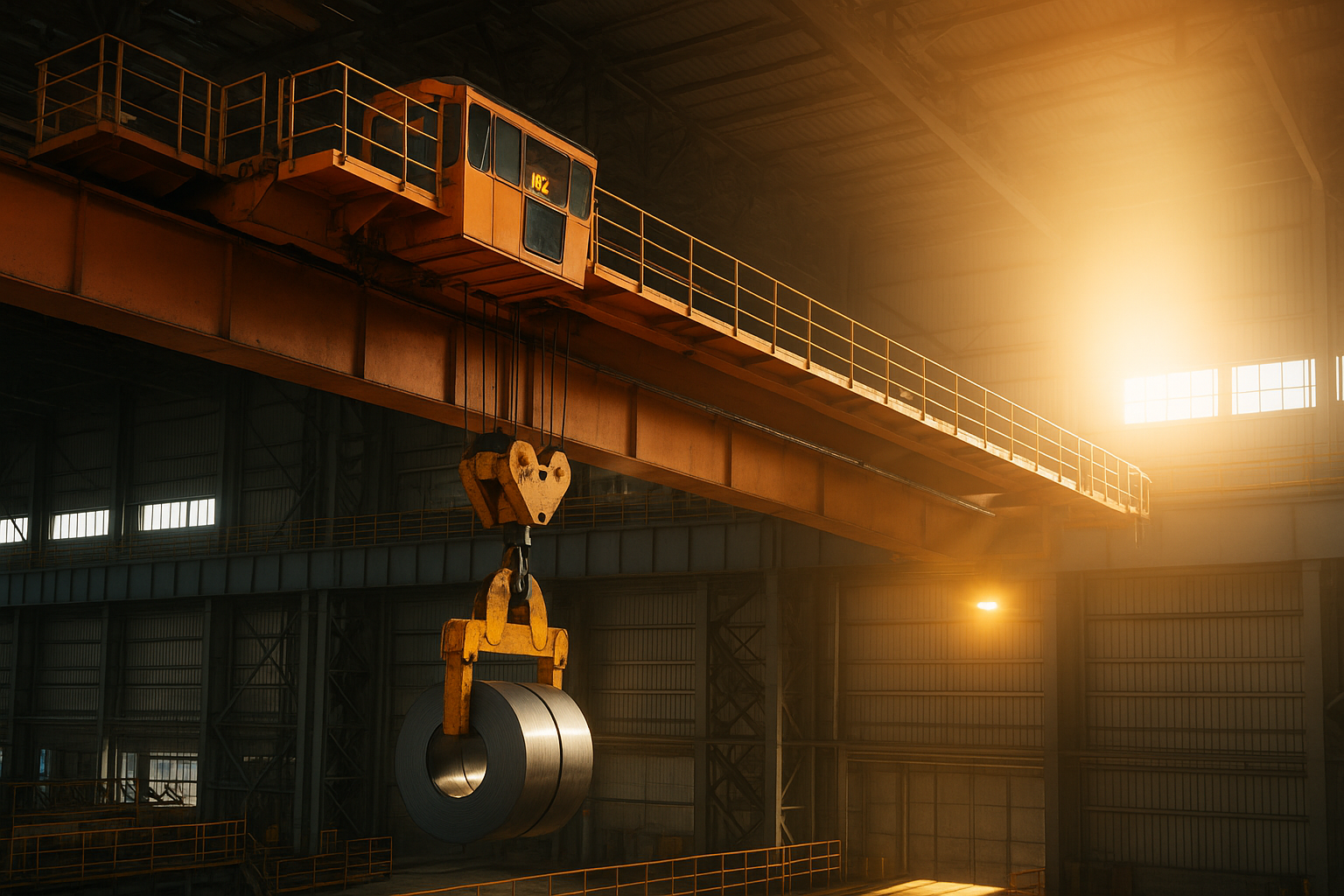
Infrastructure and construction projects are increasing in scale and complexity. Equipment must therefore adapt to handle greater loads, reach higher capacities, and perform more specialised tasks. Advances in crane technology, for example, allow for faster, safer, and more precise lifting, which is essential for large-scale developments such as skyscrapers, bridges, and industrial plants.
The Role of Expert Manufacturers
None of these developments would be possible without the expertise and innovation of specialist equipment providers. Leading Crane Manufacturers, for instance, are continually developing solutions that meet the evolving needs of modern industry. From designing cranes that can integrate with digital monitoring systems to engineering models with improved safety and sustainability features, their work ensures businesses can rely on equipment that is fit for the future.
By collaborating closely with contractors and industrial operators, these manufacturers are able to deliver tailored solutions that address specific challenges. This partnership approach not only advances technology but also ensures reliability and practical application in demanding environments.
The industrial equipment sector is at the forefront of innovation, responding to the challenges of safety, sustainability, and efficiency. From digital integration to more advanced lifting solutions, these developments are reshaping the way industries operate.
By partnering with expert Crane Manufacturers, businesses can take advantage of cutting-edge technology that improves performance, reduces risk, and supports long-term growth. The sector will continue to evolve, but with innovation at its core, it is well placed to meet the demands of the future.