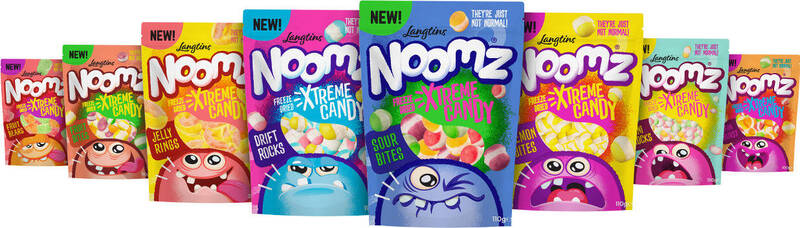

Langtins, a British confectionery company, has launched Noomz, a brand-new range of freeze-dried sweets.
The new range takes classic candies and transforms household favourites into unique and lightweight sweets. Made famous by space exploration, Noomz is now bringing freeze-dried to the mainstream market with its extreme flavour and crunchy texture captivating the tastebuds of snack enthusiasts across the UK.
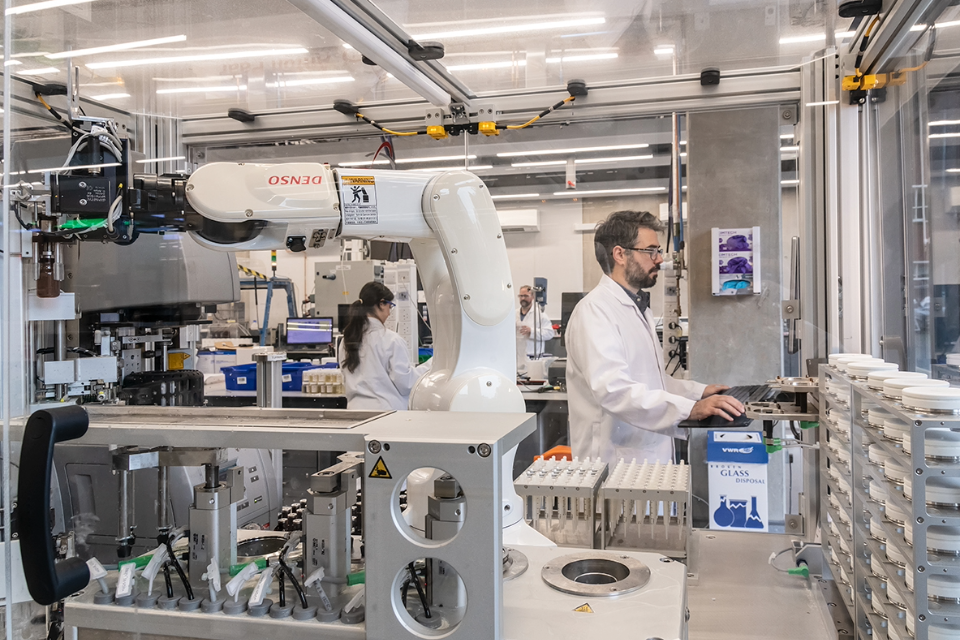
The freeze-drying process preserves the sweets texture, flavour, and shelf life by removing moisture while maintaining their structure. It heightens the original taste and flavour of the sweet to produce lightweight, crispy Noomz.
There are eight flavours available in the range including Fruit Bites, Fruit Bears, Lemon Bites, Mini Rocks, Drift Rocks, Jelly Rings, Rain Burst and Sour Bites.
The range is priced from £2.49 and has launched in selected convenience stores nationwide. All products in the range are Halal certified and packaged in resealable pouches to ensure the sweets retain their crisp texture.
Speaking about the launch, Mubarak Isap, managing director at Langtins said: “Freeze-dried is one of the fastest growing segments in the confectionery market and a popular social media trend among Gen Z audiences. We’re excited to be embracing this new era of confections and bringing freeze-dried sweets to customers on a larger scale with the launch of Noomz.”
Related content