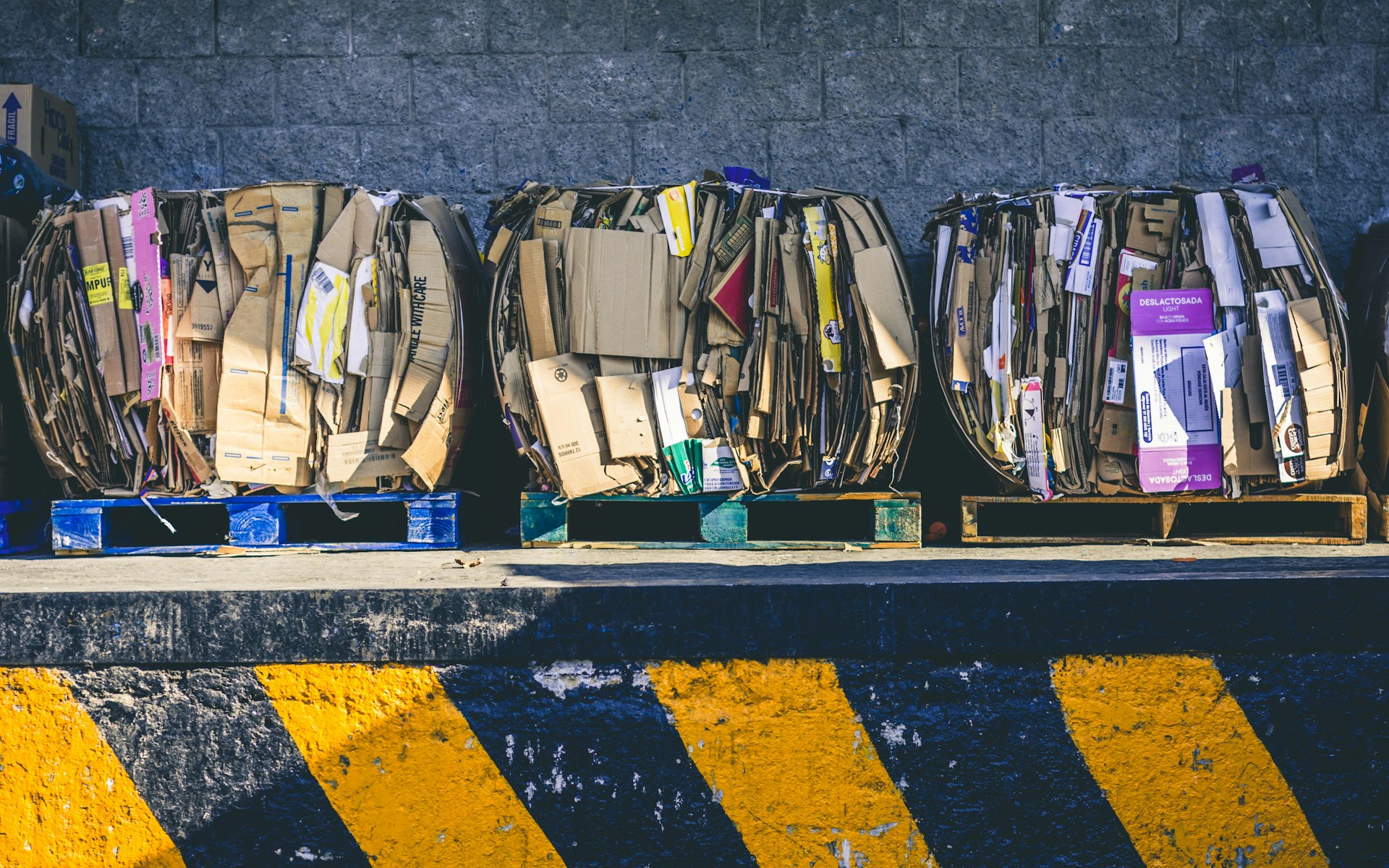
Large-scale industrial developments generate a high volume of waste that must be handled efficiently to avoid logistical headaches and unnecessary expenditure. Without robust systems in place, even well-organised projects can suffer delays, space constraints, and spiralling costs. Waste management is not simply about compliance — it is integral to maintaining productivity and protecting a project’s bottom line.
A considered strategy, tailored to the size and nature of the site, is the first step towards improving operations and achieving significant cost savings. From planning through to final waste clearance, proactive decision-making is essential to avoid reactive spending.
Improving Cost Efficiency Through Early Waste Planning
One of the most effective ways to cut costs is to incorporate waste considerations into project planning. Many large projects begin without fully understanding the amount and type of waste they will produce. This leads to last-minute arrangements, inefficient handling, and escalating costs for removal.
Using early data to estimate waste volumes helps prevent the common mistake of under- or over-booking containers. It also enables project managers to phase waste removal according to key site activities, demolition, groundwork, construction, and finishing all produce different waste streams.
A reliable provider can help assess these stages in advance. If your project involves variable waste types and you want to avoid future disruption, it is advisable to book skip hire in Surrey today. Early engagement ensures appropriate container delivery, collection schedules, and specialist options are available when needed.
Tackling the Hidden Costs of Waste Mismanagement
The visible costs of waste removal are only part of the picture. Poor handling and delayed clearance generate additional expense in overtime, unused materials, blocked site access, and project delays. These inefficiencies multiply across complex sites with multiple teams and limited space.
A well-executed waste audit will identify unnecessary spending across various departments. Teams should regularly check waste accumulation points to ensure skips are used efficiently. This reduces the risk of skip overflow, repeated collections, or container misuse.
In particular, skip hire in Surrey services should be matched to both the volume and type of waste. Using the wrong size or placing skips too far from work zones increases handling time and reduces productivity. Regular monitoring and timely collection scheduling help keep waste moving and costs down.
Implementing Site-Wide Waste Segregation
Introducing a structured segregation system allows waste to be processed more cost-effectively. When general waste is mixed with recyclable or hazardous materials, disposal fees rise, and opportunities for recovery are lost. Clear site layouts with dedicated containers make a noticeable difference.
Colour-coded skips and signage help teams sort materials quickly. With proper planning, even high-turnover sites can maintain separate zones for wood, metal, concrete, and packaging waste. This reduces reliance on general waste containers and limits landfill use.
Material-Specific Waste Strategies
Different materials present unique cost and handling challenges. Metals, when separated correctly, can be sold or repurposed, reducing waste costs significantly. Providing a specific metal skip allows for clean collection and recovery.
On-site concrete crushing helps reduce the need for off-site disposal. Crushed concrete can be reused as sub-base or infill, eliminating transport fees and skip space use. Larger projects may benefit from mobile crushers positioned on site.
Hazardous materials demand extra care. These must be stored separately in marked containers to avoid contamination or fines. Providing staff with proper instructions and labelled containers reduces risks and makes compliance easier.
For packaging materials, space-saving methods such as compacting help. Compactable waste requires fewer collections, freeing up site space and keeping hire costs under control.
Choosing the Right Skip Hire Options
The type of waste and stage of construction should guide skip selection. Demolition and clearance usually generate heavy materials that require larger containers. Mid-sized skips are suitable for lighter items such as insulation, plastics, or packaging.
Hiring different skip sizes as a project evolves prevents unnecessary capacity being paid for. It is important to assess each phase individually rather than adopting a one-size-fits-all approach.
Local skip hire in Surrey providers can offer advice on which containers suit specific needs. Requesting detailed quotes that outline both the hire fee and disposal charges helps manage budgets more effectively. Some waste streams benefit from specialist options such as enclosed skips or compactors.
Alternative Removal Methods for Challenging Sites
Not all sites are suitable for traditional skip placement. Restricted access, uneven ground, or space limitations call for different approaches. Roll-on/roll-off containers provide a solution for high-volume phases, offering fewer collections and lower transport costs per tonne.
Grab hire services use a hydraulic arm to collect waste from areas skips cannot reach. This method is particularly useful for projects in confined urban areas or locations with tight access points.
Final Thoughts on Reducing Waste Costs
Reducing waste costs in large industrial projects requires a proactive, informed approach. Each phase should be supported by the right infrastructure, training, and planning. With the right systems in place, waste becomes manageable rather than overwhelming.
By working with experienced providers, choosing appropriate containers, and optimising waste segregation, project teams can stay on schedule and within budget. This not only benefits the bottom line but contributes to a cleaner, more efficient industrial environment.