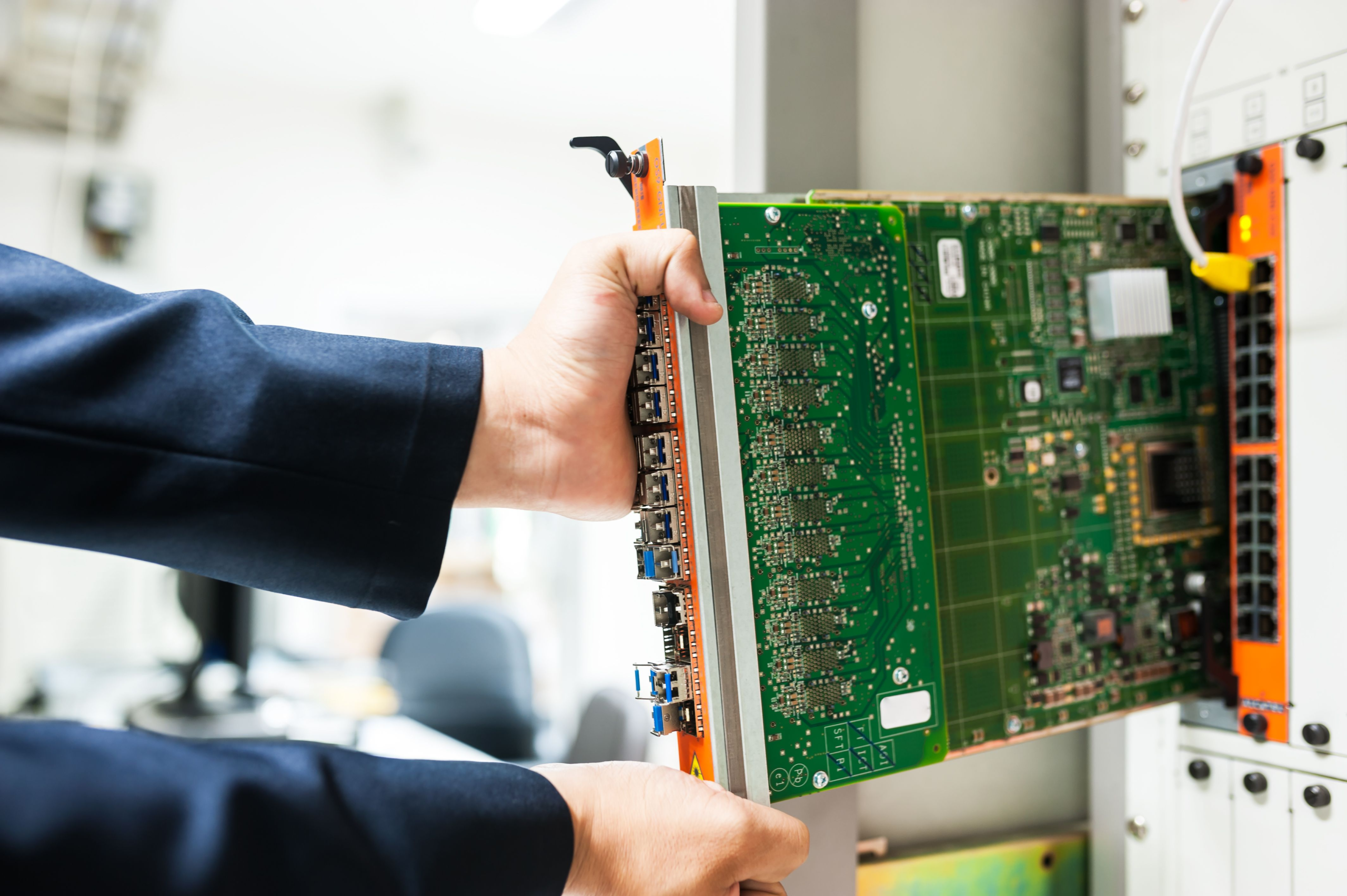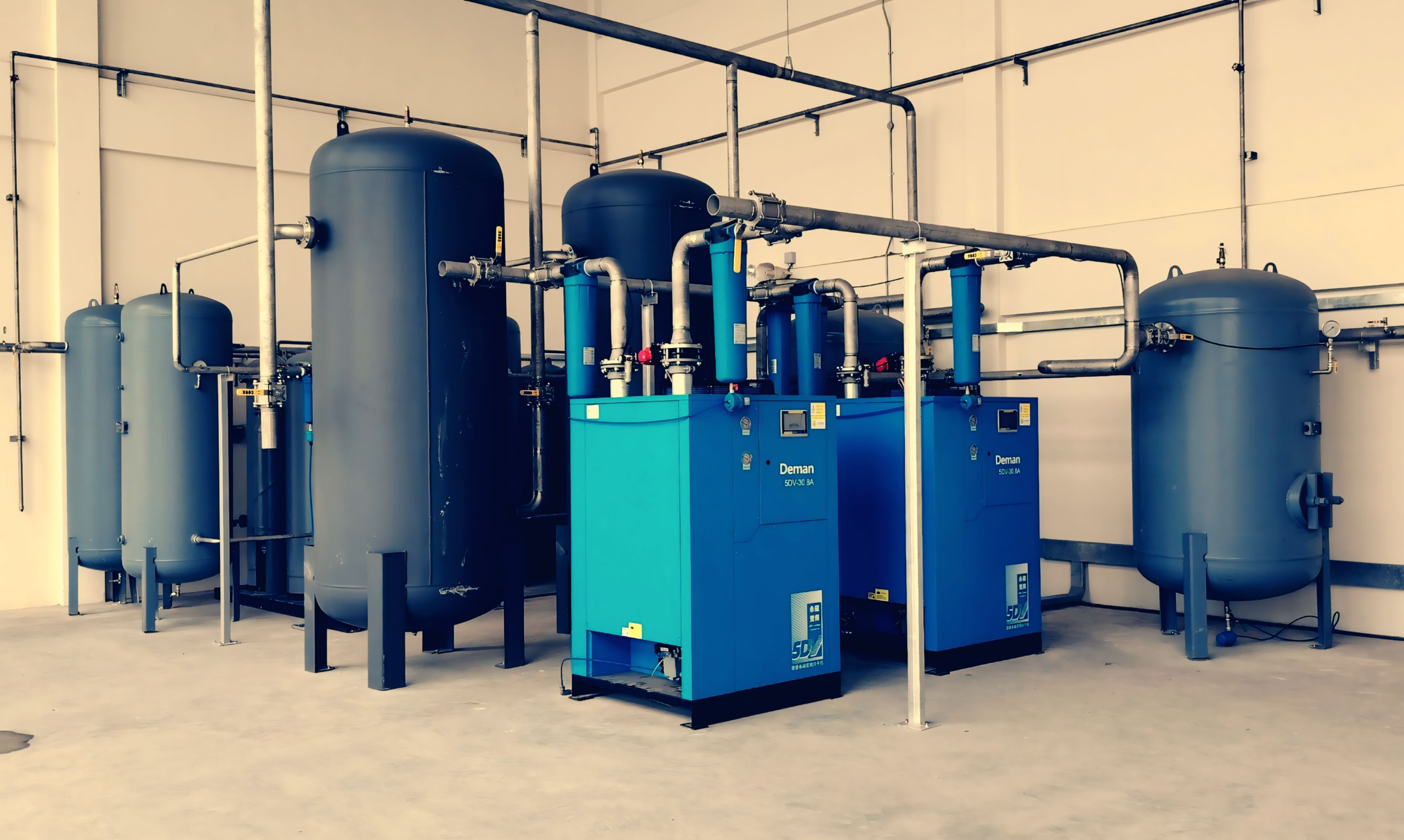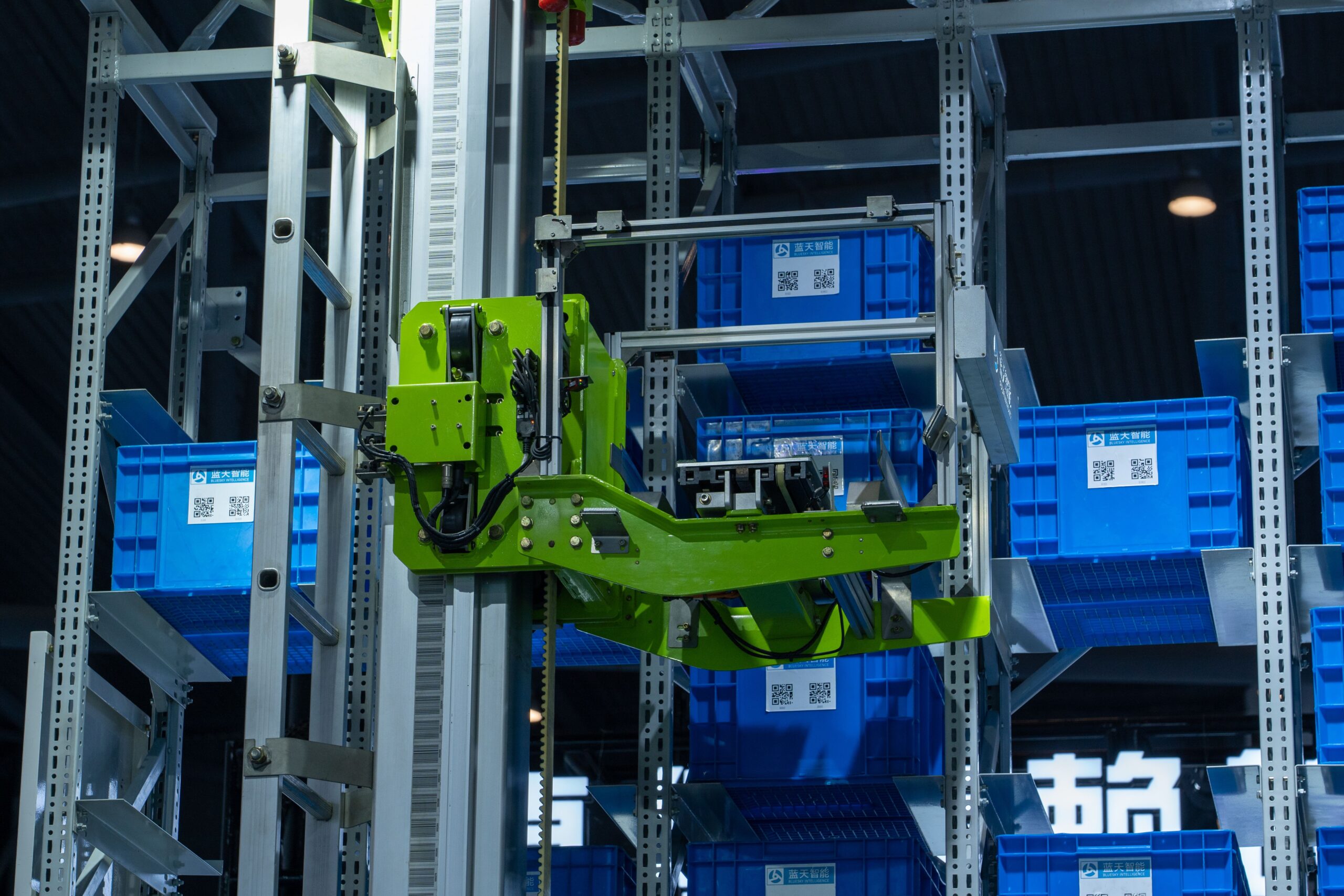
ZKH Group has launched LingLong Insight 1.0 with Intel, bringing image and text recognition to an industrial goods-receipt system running on local computing hardware. Developed by ZKH subsidiary LingLong Intelligence, the four-billion-parameter model compares delivered items, packaging and documents with industrial product information to identify potential mismatches before materials enter inventory.
The initial application addresses a practical weakness in maintenance, repair and operations procurement: parts that are visually similar can have different dimensions, ratings or other specifications. A bearing with the wrong designation, for example, may be placed into stores if staff rely on its general appearance or an incomplete description. The error can remain undiscovered until a technician attempts to fit the replacement during a planned or emergency repair.
Industrial cameras capture goods, packaging, labels and delivery documents at the receiving station. LingLong Insight combines the images with text recognition and structured product knowledge, then compares the identified item and its specifications against the expected delivery. When a discrepancy appears, the application presents the relevant images for a worker to examine before confirming receipt.
A visual match provides only part of the evidence. Two components can share a housing or packaging design while differing in an electrical rating, tolerance or operating pressure, and a supplier may use several labels for equivalent goods. Reading visible markings alongside the delivery record and the product specification allows the system to identify which characteristic requires attention. Exceptions still pass through the receiving team’s existing inspection and approval procedure.
The four-billion-parameter model runs on LingLong Agent Box using Intel Core Ultra processors, which combine CPU, GPU and neural processing resources. On-site inference limits the need to send every inspection image to a distant service and can keep the immediate comparison responsive where external connectivity is limited. Inventory updates and cross-site records can still rely on the company’s normal enterprise systems.
The workload has to fit the computing capacity of the receiving station. Processing a succession of images and delivery documents involves recognition, retrieval of relevant product records and comparison of specification fields. Camera placement, lighting, product variety and the number of checks per shift will affect the local processing requirement. These operating conditions will determine the number of items each receiving station can process and the level of inspection review it requires.
The model’s engineering context comes from ZKH’s industrial supplies business. Over nearly three decades, the company has accumulated more than 27 million product records containing approximately four billion product parameters, including the specifications used to distinguish superficially similar items. Those four billion product-data parameters are a separate quantity from the model’s four billion learned parameters.
Converting that catalogue information into reliable checks requires consistent units, product identifiers and revision records. A newly issued supplier code may refer to an unchanged component, while a similar part number can conceal a different material or rating. Matching this information with a manufacturer’s approved parts list is therefore part of implementing the system, particularly when several replacements are authorised for one machine.
Visual verification fits into the existing quality process rather than replacing it. A correctly labelled bearing can still require dimensional or material checks, and safety-critical parts may need certification or batch traceability. By resolving obvious discrepancies at goods receipt, the system can reserve detailed inspection and supplier queries for items whose identity or specification remains uncertain.
An item accepted under the wrong stock code can later be picked for maintenance and reach a production line before the error is discovered. Identifying the mismatch at receipt keeps the component available for quarantine or return, with the discrepancy linked to the incoming documentation. The point-of-receipt record then helps procurement and maintenance teams reconcile what was ordered, delivered and actually placed into stores.
LingLong Intelligence plans to extend the same approach to outbound warehouse checks, production-line materials verification and equipment operation and maintenance. Each setting calls for additional connections: a picking check needs the issue order, while production verification needs the work order and permitted material configuration. The current launch establishes the inbound inspection workflow, with those further applications on the development roadmap.
The partners plan further work on industrial AI and possible international applications. Intel contributes the local computing architecture, while LingLong Intelligence supplies the industrial product data and model development. Adoption across different countries will depend on the ability to handle regional catalogues, language variations, supplier naming conventions and the records used by local manufacturers.
A receiving station may also encounter products whose packaging has changed while the underlying specification has not. Systems that learn only visual similarity risk false mismatches when labels are redesigned, and false matches when near-identical parts carry different ratings. The comparison against structured product knowledge is intended to address both problems, but field validation will have to assess how reliably the system handles them under warehouse lighting and normal handling conditions.
LingLong Insight 1.0 was launched at Intel Connection 2026 in Suzhou. By combining local inference with detailed industrial catalogue data, ZKH is initially concentrating on a defined materials-control problem at receiving stations. The proposed expansion into factory materials verification will require the same item-level traceability to be maintained between procurement, stores and production.