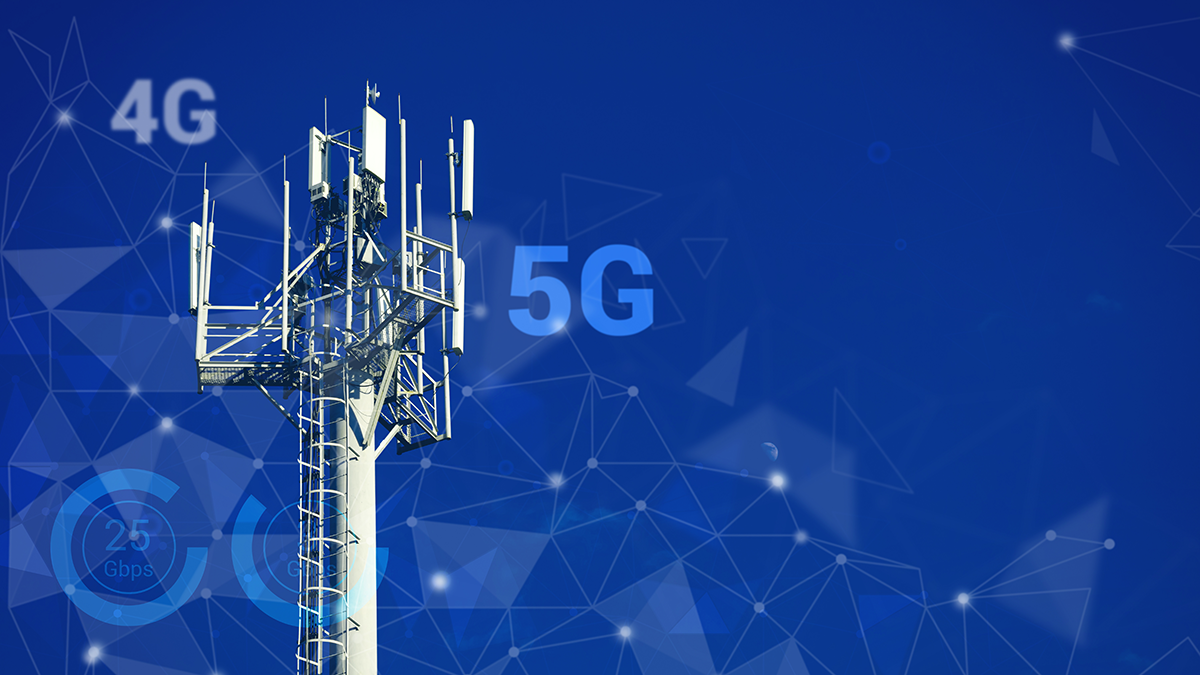

Vodafone has enabled Long Term Evolution for Machines (LTE-M), also known as CAT-M, aimed at providing business customers with a complementary IoT service for low-power, low-data applications.
LTE-M is tailored for IoT devices that are not connected to mains electricity and only transmit small amounts of data. These devices require a connectivity service that is specifically suited to their needs.
“When you have a data-led business, decisions are driven by insight not by assumption. IoT has the potential to revolutionise business, but we must make it accessible to all,” said Nick Gliddon, Business Director, Vodafone UK. “The power of LTE-M is the ability to choose the right tools for the right job. 5G might be the right choice for some IoT use cases, whereas LTE-M might be better for others. By enabling LTE-M to sit alongside 4G, 5G and NB-IoT, we are providing a technology-agnostic solution for customers. This is about picking the right solution, at the right price point.”
While 4G and 5G solutions cater to IoT use cases that demand high data throughput, constant connectivity, and low latency for micro- or millisecond responses, LTE-M and NB-IoT are designed for low data throughput and non-time sensitive use cases. LTE-M can provide continuous connectivity and low latency services in certain scenarios, but primarily for transmitting small data batches.
LTE-M and NB-IoT differ in their typical download/upload speeds (300 kbps and 20 kbps respectively). NB-IoT is optimised for hard-to-reach locations and batch data uploads, such as underground water pipes or smart meters in basements, while LTE-M is ideal for mobility, such as asset tracking and wearable devices, and event-based connectivity.
Like NB-IoT, LTE-M is a Low Powered, Wide Area Network (LPWAN) technology. This means that its signal travels further than 4G and 5G networks and is designed to preserve the battery life of the devices. LPWAN technology can enable IoT devices to operate reliably for up to 10 years on a single battery charge.
With Vodafone offering LTE-M, NB-IoT, 4G, and 5G IoT connectivity, there is a technology solution for every type of use case and customer need. Vodafone also supports customers on a broader digital transformation journey, investing in other technology segments such as Mobile Private Networks and Multi-access Edge Compute, and developing partner ecosystems to help create applications and services.
All Vodafone IoT customers have access to Vodafone’s Managed IoT Connectivity Platform, which provides insights into device performance with advanced diagnostic and analytics tools to manage operations in real-time, as well as a range of APIs for integration with customer backend IT systems.
There’s plenty of other editorial on our sister site, Electronic Specifier! Or you can always join in the conversation by commenting below or visiting our LinkedIn page.