Umicore is investing €450 million in its precious metals refining operation at Hoboken, Belgium, to introduce additional hydrometallurgical processing capacity, extend metal recovery and improve the handling of complex secondary raw materials.
The expansion is scheduled to take place between 2027 and 2030, with commissioning expected in 2030 subject to regulatory approvals. It will increase the capability of Umicore's existing refining operation rather than establish a separate industrial facility.
The investment will extend the refinery's recovery portfolio from 17 to 18 metals by introducing cobalt recovery. It will also increase capacity for minor and specialty metals, including antimony and tin, while reducing processing times for platinum group metals and other precious metals.
Umicore expects the expanded flowsheet to accommodate a wider range of incoming materials, providing greater flexibility as the composition of secondary feedstocks changes. The European Commission has selected the project as a strategic development under the Critical Raw Materials Act.
Hoboken processes complex materials containing combinations of valuable metals. Its established operation uses both pyrometallurgical and hydrometallurgical technologies to separate and recover individual constituents from incoming feedstocks.
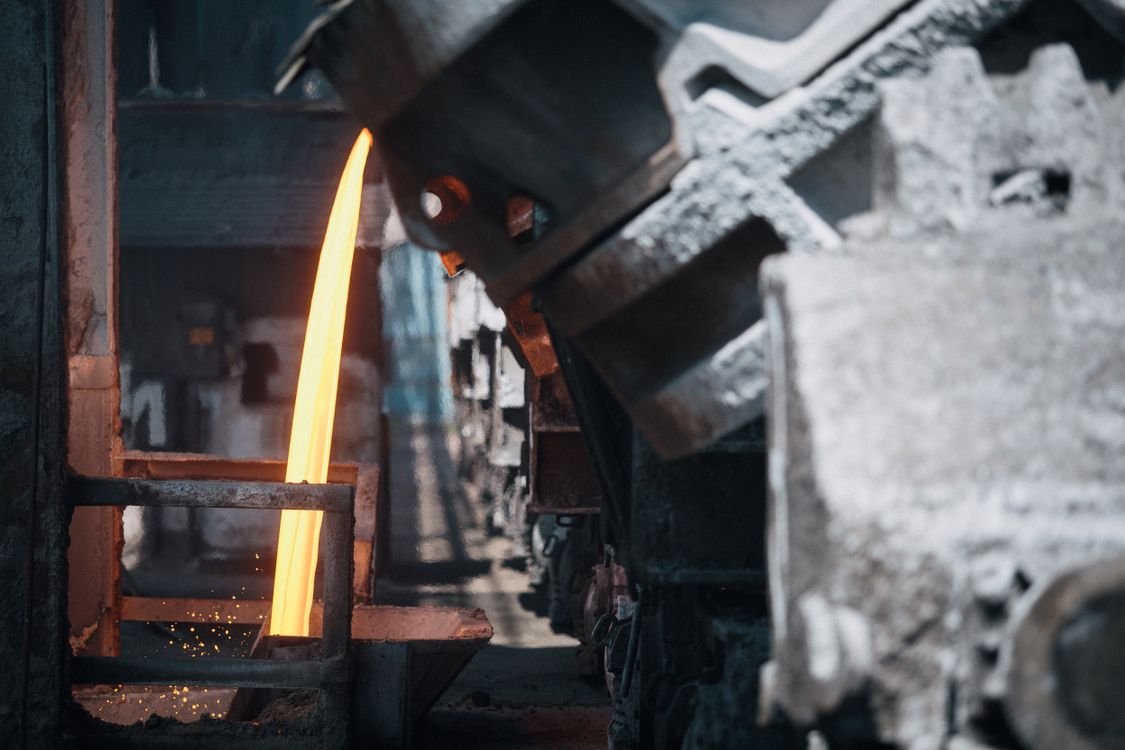
High-temperature treatment forms part of the initial processing arrangements. Umicore uses submerged lance technology to introduce gases and fuel into a molten bath, creating conditions in which different materials can be separated into streams for subsequent refining.
The resulting intermediate products require further processing before individual metals can be recovered. Copper-rich material containing precious metals is treated through additional refining stages, while other constituents follow different recovery routes according to their chemical and physical characteristics.
Hydrometallurgical processing uses chemical solutions to dissolve and separate selected metals. The composition of those solutions, operating conditions and recovery methods are selected according to the materials being treated and the separation required.
The new Hoboken flowsheet will extend this capability through proprietary technology developed by Umicore. The company has not published a complete engineering specification for the installation or disclosed the individual treatment stages that will be added.
Greater flexibility in the refining process is particularly important when incoming material contains different proportions of recoverable metals. A feedstock with a higher concentration of one constituent may require different treatment conditions from material containing a broader combination of metals.
Processing arrangements must therefore account for the quantity and composition of material entering each stage. The ability to adjust those arrangements can influence how efficiently recoverable metals move through the refinery.
Umicore intends to shorten throughput times for platinum group metals and other precious metals. These materials undergo specialist separation and refining operations, and the time required to complete those stages affects the quantity of valuable material held within the production system.
Reducing processing time may improve the movement of material through the refinery, although the resulting effect on total output depends on the capacity of the complete flowsheet. Umicore has not disclosed a revised annual processing tonnage or quantified increase in finished metal production.
The addition of cobalt recovery will broaden the range of metals available from the operation. Cobalt is used in several industrial applications, including battery materials and high-performance alloys, while antimony and tin are important constituents of other manufacturing supply chains.
Recovering these materials from secondary sources can provide an additional supply route alongside primary mineral extraction. The amount available to industrial customers will depend on feedstock composition, recovery efficiency and the scale of the completed processing operation.
The project also includes environmental and operational safety improvements. Umicore says the expanded flowsheet will help the site comply with requirements associated with the European Union's Ambient Air Quality Directive, while increased automation is intended to improve safety.
Environmental performance at a metals refinery depends on the combined operation of processing equipment, material handling, gas treatment, emissions controls and supporting infrastructure. Changes to one part of the flowsheet must therefore be assessed against the effects on the wider installation.
Automated control can help maintain selected operating conditions and reduce the need for manual intervention in certain processes. Its effectiveness depends on the measurements available, the equipment being controlled and the procedures used to manage abnormal operating conditions.
Umicore has not identified the individual operations that will receive additional automation or published quantified reductions in emissions or workplace risk attributable to the expansion.
The €450 million investment was outlined at the company's Capital Markets Day in March 2025. Umicore currently expects a payback period of approximately six years, with the assessment influenced by metal prices and the performance of the completed operation.
The company is undertaking a separate programme to simplify its organisational structure and increase the standardisation of support functions. The changes involve greater use of automation, digital tools, artificial intelligence and selected external services.
Umicore is targeting approximately €60 million in annualised savings from that programme by the fourth quarter of 2028. Proposed organisational changes could affect up to approximately 350 employees over the following two years, excluding external contractors also within the scope of the initiative.
Consultations with trade unions and works councils have begun. Implementation is expected to continue in phases until the end of 2029, while the industrial investment at Hoboken follows its separate construction and commissioning timetable.
The company reiterated its full-year 2026 guidance for adjusted EBITDA slightly above €1 billion following third-quarter trading in line with expectations. It does not expect exceptional results recorded earlier in the year by Recycling and Specialty Materials to recur at the same level during the second half.
The Hoboken expansion will add cobalt recovery and additional hydrometallurgical capacity to an established multi-metal refining operation. Subject to approvals, commissioning in 2030 will determine when the new processing stages can begin contributing to European secondary materials supply.