United Kingdom National Nuclear Laboratory (UKNNL) is seeking suppliers for a proposed £15 million engineering framework covering fabrication, machining, technical services and the construction of experimental rigs for nuclear and non-nuclear applications.
Reference NNLC703F divides the proposed framework into five lots covering distinct types of fabrication, machining and engineering support. The advertised £15 million estimate is a notional ceiling for the overall arrangement, excluding VAT, rather than an order already placed or a separate allowance for each lot. Individual work packages will arise through later call-offs, and neither the final supplier allocations nor expenditure are yet known.
Bids are due by 1pm GMT on 8 December 2026, with enquiries closing at 1pm on 2 December. The current timetable anticipates an award decision in January 2027 and operation from 8 March 2027 to 7 March 2031, with provision for extension to 2035. Those dates remain subject to the procurement process and should not be treated as confirmed start dates for particular fabrication projects.
The first lot covers non-nuclear rig fabrication and machining, while the second is dedicated to nuclear rig fabrication. A third lot addresses infrastructure fabrication, machining and engineering systems. The fourth covers associated supplies, products, services and technical support, and the fifth is reserved for more complex or higher-value rig fabrication and machining requirements.
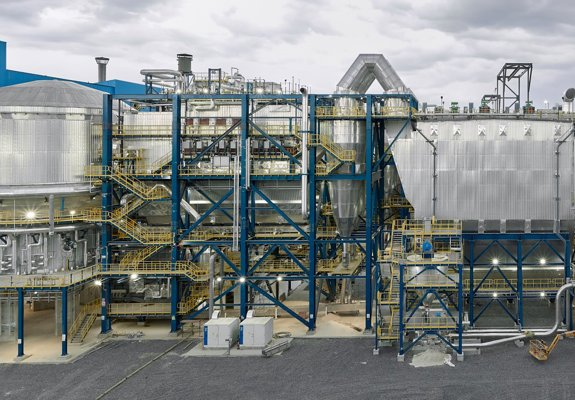
The lot structure reflects the different fabrication requirements of experimental rigs and more substantial industrial installations. An inactive research assembly may need precision-machined brackets, small vessels and instrument interfaces, while a larger installation can involve fabricated steelwork, pipework, lifting arrangements and coordination of electrical and mechanical services. Equipment intended for use in a nuclear environment can also carry additional requirements for traceability, inspection records and quality assurance.
Designing a reliable rig involves more than producing the structural frame. Pipe connections, process sampling, pressure and temperature control, sensors and access provisions can all affect the validity and repeatability of test results. Dimensional tolerances and clearly documented interfaces become particularly important where equipment is assembled in stages, transferred between facilities or connected to an existing plant. The scope of individual call-offs will establish which design, manufacturing and integration capabilities are required.
The framework’s classification includes metalworking, fabrication, specialist machinery, pumps and compressors, tanks, pressure vessels, filtering apparatus, ventilation works, technical inspection and engineering analysis. This breadth does not mean every supplier will deliver every element. Individual requirements will be placed through the appropriate lot and may include defined technical, quality, commercial and delivery conditions.
UKNNL proposes several routes for awarding work under the framework, including direct awards, quick quotations and mini-competitions. The latter would be conducted among suppliers admitted to the appropriate lot, with commercial and technical requirements defined for the particular project. Call-off contracts may be fixed-price or cost-reimbursable, allowing the procurement approach to reflect differences in design maturity and technical uncertainty.
Lot 5 has additional direct-award provisions for complex or higher-value rig work. The tender describes an initial supplier ranking based equally on technical and commercial evaluation, as well as a mechanism for reassessing a specific requirement using technical and price criteria. That framework admission weighting should not be mistaken for a fixed evaluation formula applied to every subsequent project; the notice permits different call-off weightings within defined ranges.
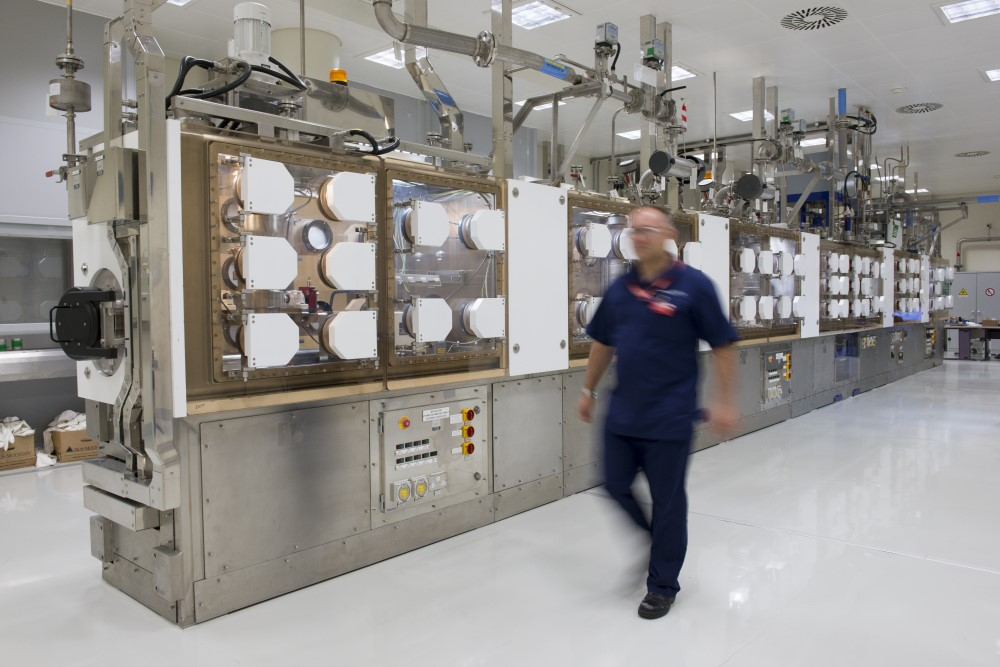
UKNNL’s research portfolio includes nuclear fuels, materials, reactor technologies and environmental restoration. Work across its facilities can require specialist test systems and instrumentation as well as manufactured components. Hardware may initially be assembled and tested in a non-active environment before being adapted for more tightly controlled conditions, where installation access, cleanliness and documentation can impose further constraints.
Earlier procurement activity under the same general engineering remit included planning for machining, coded welding, component repair and quality documentation. The current notice sets out the more detailed five-lot structure and call-off arrangements. Manufacturers should therefore use the November tender documentation when assessing eligibility, rather than assuming the earlier planning notice establishes the final commercial requirements.
The framework provides a possible route for specialist machining companies, fabricators and engineering integrators to compete for UKNNL requirements over several years. The notice identifies the lots as suitable for smaller businesses, subject to the published selection criteria and the capabilities demanded by each project. The tender closes on 8 December, after which UKNNL will assess applications before selecting framework suppliers and placing any subsequent work.