The UK Metals Council (UKMC) has proposed an eight-point programme addressing industrial energy costs, trade restrictions, workforce shortages and the retention of domestic metal resources, following a survey of 200 businesses across the manufacturing supply chain.
The council’s latest State of the Metals Industry research found that 89% of respondents considered raw material prices too high, while 79% said existing trade policies did not support their competitiveness. Energy costs remained a major challenge for 69% of the companies surveyed.
The findings were presented during UK Metals Expo at the NEC in Birmingham on 4 and 5 November. UKMC represents a sector comprising approximately 11,500 businesses and one million employees, including producers, processors, stockholders, fabricators, recyclers and specialist engineering suppliers.
Although the survey covers 200 companies rather than the entire sector, its results identify several operating constraints affecting manufacturers at different points in the metals supply chain.
Only 14% of respondents reported high confidence in the future, despite continuing interest in product development and investment opportunities. The council is seeking policy changes that would lower manufacturing costs and improve the commercial conditions for maintaining and expanding industrial capacity.
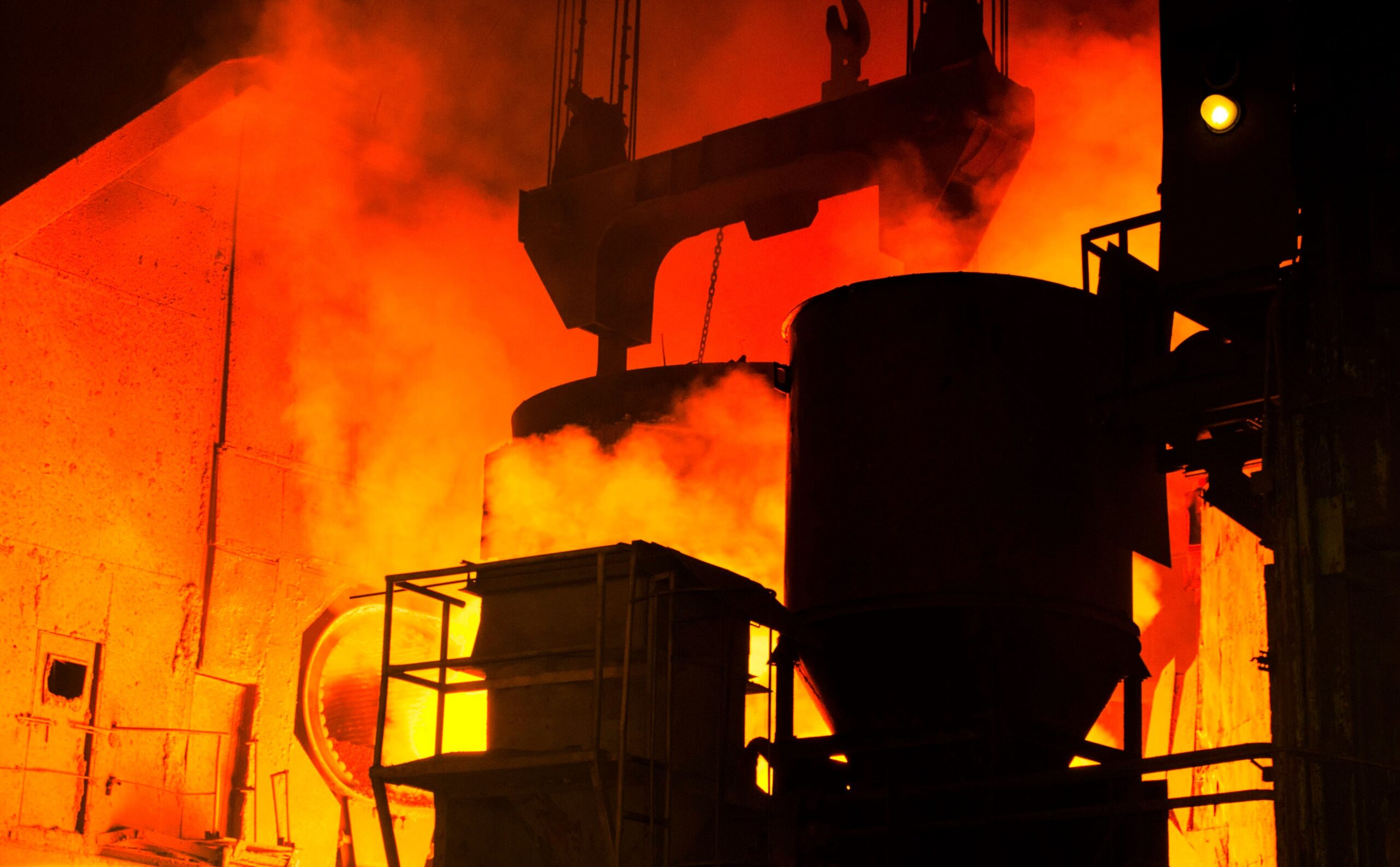
Energy expenditure is a substantial part of the production cost for many metals processes. Melting, casting, heat treatment and finishing require controlled operating conditions, while the equipment involved can consume significant amounts of electricity, gas or process heat.
Production efficiency depends on more than the price of energy alone. Furnace loading, operating temperature, production scheduling and heat recovery can influence consumption per unit of finished material.
Manufacturers seeking to improve performance may need to invest in new equipment, process controls or supporting infrastructure. The commercial case for those investments depends on capital costs, expected operating savings and confidence in future demand.
UKMC is consequently calling for more competitive industrial energy prices alongside improvements to the policy and infrastructure conditions affecting manufacturing investment.
Raw material costs create a separate constraint. Metals manufacturers often purchase material against defined composition, dimensional and quality requirements, with prices influenced by international supply, processing capacity and transport arrangements.
Manufacturers cannot necessarily replace expensive feedstocks with lower-cost alternatives without changing production processes or qualifying the resulting materials. Alloy composition, impurities and mechanical properties can determine whether a particular input is suitable for an industrial application.
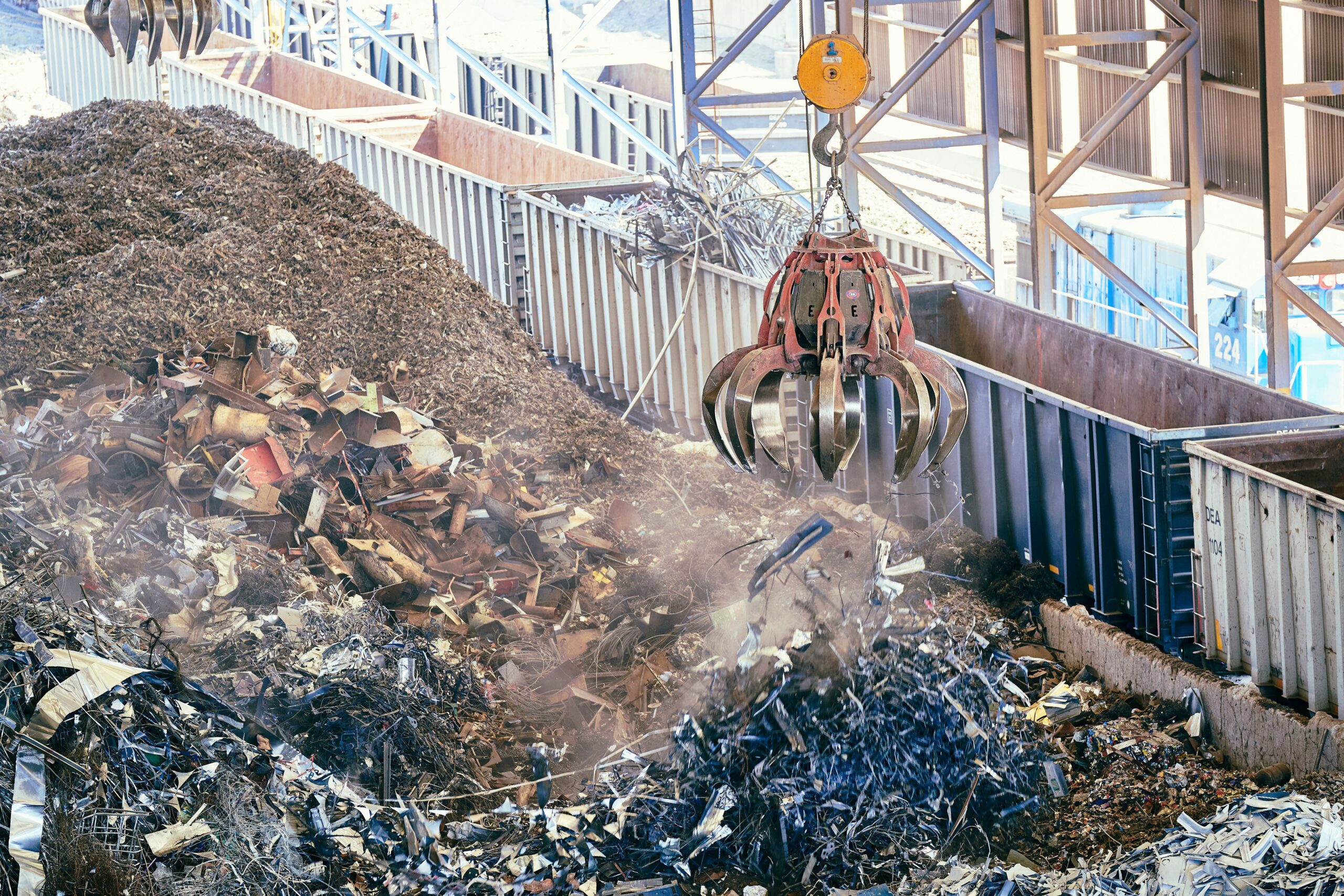
The council’s circular economy proposals concentrate on retaining more value from UK scrap and expanding domestic processing capability.
Metal recycling requires appropriate material identification, separation and preparation before recovered products can re-enter manufacturing. Different alloys may have similar appearances but substantially different compositions, making sorting and testing important where customers require consistent material properties.
Contamination can also limit the applications for which recovered metal is suitable. Additional separation, refining or alloy adjustment may be necessary to manufacture products meeting demanding engineering specifications.
Expanding these capabilities could allow domestic manufacturers to make greater use of recovered materials, although investment must be matched to the available scrap streams and the requirements of downstream customers.
UKMC also wants unnecessary customs requirements, quotas and other sources of trade friction reduced. Metals businesses frequently move raw materials, semi-finished products and components across international borders as part of established manufacturing arrangements.
Changes to tariffs, market access and documentation can affect the cost of these movements and influence decisions about sourcing, production location and inventory.
Procurement policy is another priority, particularly for defence, energy and infrastructure projects. The council is calling for stronger opportunities for British producers and processors to supply programmes that depend on specialised materials and engineering products.
Industrial procurement requirements can involve material traceability, testing records and compliance with detailed specifications. Production equipment and workforce investment may therefore depend on securing a sufficiently predictable pipeline of qualifying orders.
Rachel Eade MBE, chair of UKMC, said: “The findings leave little doubt about where action is needed.”
Eade identified competitive energy, domestic scrap resources, skills development, procurement and protection of the manufacturing value chain among the council’s priorities.
Workforce availability emerged as a substantial concern in the survey. Three quarters of respondents reported a limited pool of qualified candidates, while almost half said they struggled to attract employees with the necessary skills or expertise.
Skills shortages can constrain production even when machinery is available. Metalworking equipment requires operators, maintenance specialists, production engineers and inspection personnel familiar with the processes and materials involved.
For precision manufacturing, knowledge of machining conditions, material behaviour and measurement requirements influences the ability to produce components consistently. Casting and heat treatment operations likewise depend on employees who understand how process conditions affect finished products.
Interest in vocational learning has also weakened. The survey reported an 11% decline in businesses identifying apprenticeships or vocational training as a priority, leaving 57% selecting it. The reported change should not be interpreted as an 11-percentage-point fall without the corresponding earlier survey figures.
Despite the recruitment difficulties, 65% of respondents described innovation as a high priority, while only 21% said they were looking to explore grants or funding opportunities.
These figures describe different aspects of the surveyed companies’ priorities. They do not establish the reasons individual businesses may be reluctant to pursue external funding.
Environmental and carbon policy is another area of concern. The survey found that 54% of respondents were making steady progress towards net zero, while fewer than 10% considered themselves fully ready for carbon border adjustment requirements.
Carbon-related reporting can involve collecting information about energy use, material production and associated emissions. The extent of the administrative and financial requirements depends on the applicable rules, products and markets.
UKMC wants government to consider the effects of trade, carbon and industrial policy together, rather than introducing measures without assessing the consequences across different stages of the metals supply chain.
The action plan also calls for proportionate regulation and a planning framework that supports industrial investment. Expanding a metal processing facility may involve new production equipment, utility connections, storage arrangements and environmental controls, with delays affecting the cost and timing of projects.
Construction, energy and automotive manufacturing were identified as important customer sectors in the latest research. Their demand for metal products offers opportunities for domestic manufacturers, provided suppliers can meet the required cost, quality and delivery conditions.
The council’s leadership will also change following the report’s publication. Eade is stepping down after four years as chair, with Dr Pam Murrell, who has extensive experience in the cast metals sector, succeeding her.
UKMC intends to use the eight-point programme in discussions with government on industrial competitiveness, resource retention and manufacturing growth. The next decisions will concern how its proposals on energy, skills, trade and procurement are translated into measures affecting businesses operating across the metals supply chain.