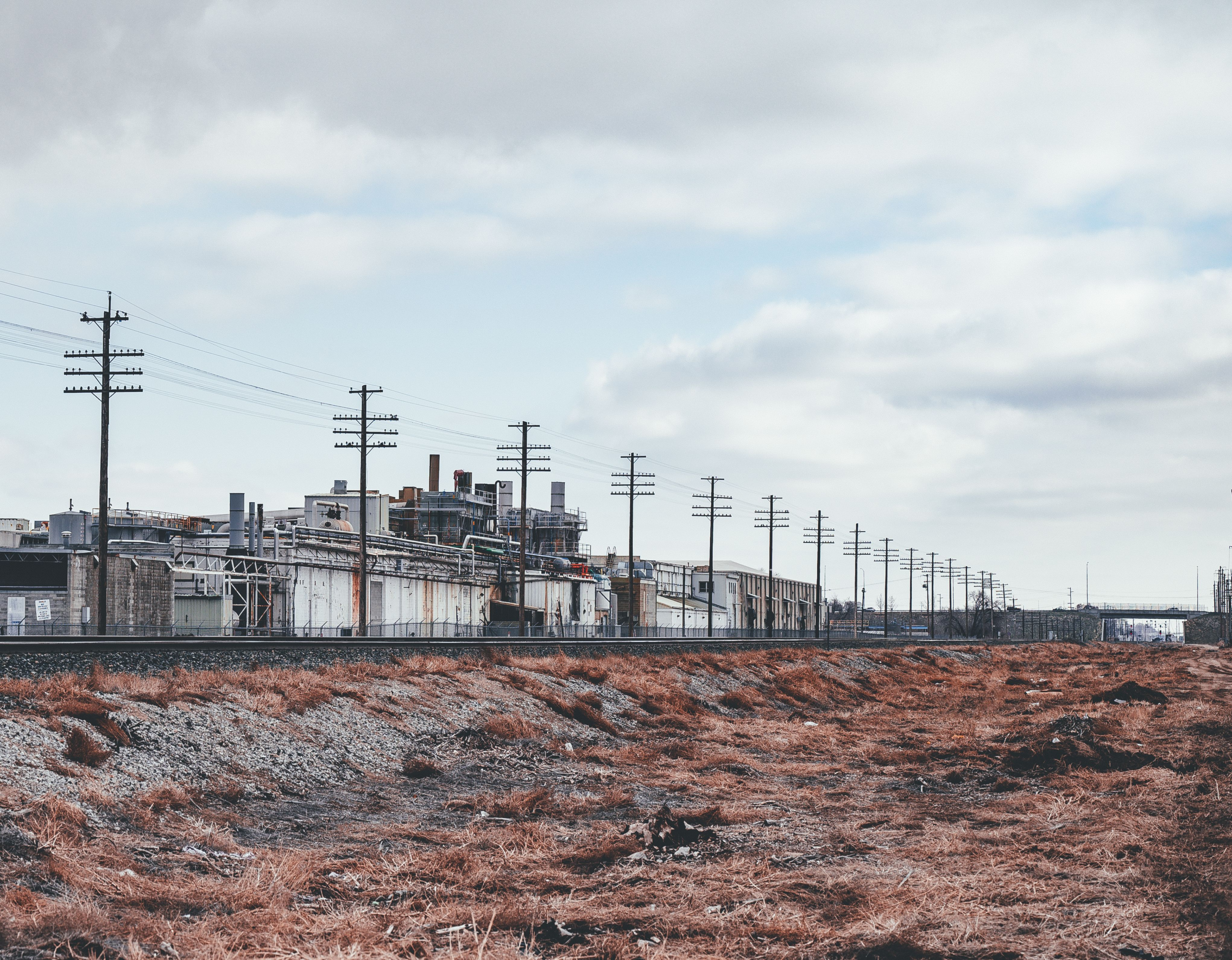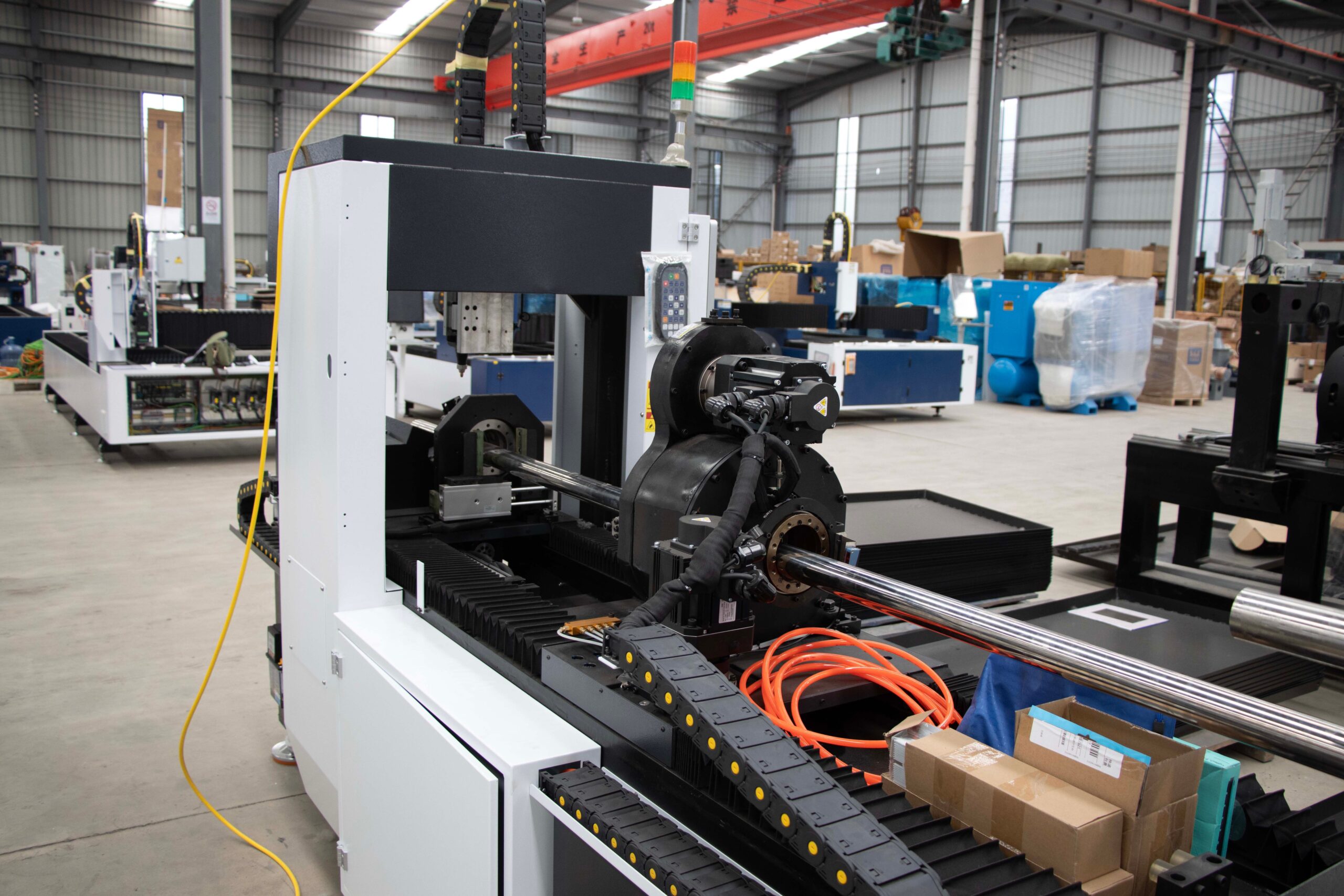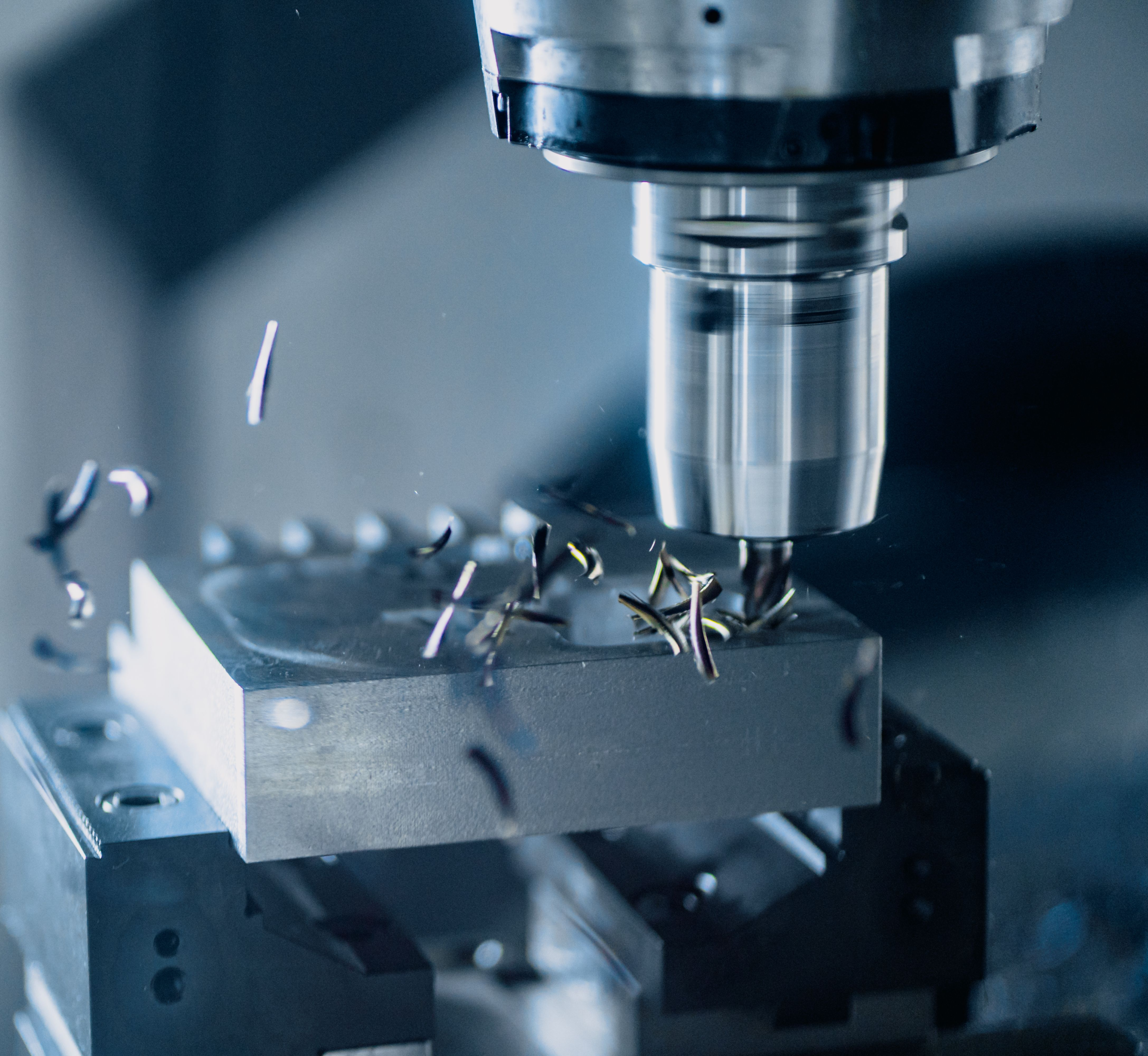
TII Group is investing a sum in the upper tens of millions of euros in the redevelopment of its Pfedelbach operation in Germany, combining a completed headquarters with the phased replacement of production halls in the largest investment programme in the company’s history.
More than 200 workstations have been created in the headquarters, while the manufacturing programme will progressively dismantle and replace existing factory buildings. The new halls are being designed around revised material routes, larger assembly areas and improved manoeuvring space, linking the physical redevelopment directly with the way large vehicle structures move through production.
Pfedelbach is TII’s largest manufacturing location and the base of its SCHEUERLE heavy transport business, with more than 600 people working at a site that builds and tests equipment used to move exceptionally large industrial loads. The wider group employs more than 1,000 people and also manufactures at Ulm in Germany and Bawal in India.
Replacing the factory in phases allows TII to redesign material flow instead of recreating the existing layout inside newer buildings. Raw material, fabricated structures, components and completed vehicle modules all require substantial handling space, so the distance and sequence between workstations can influence throughput as directly as the capacity of individual machines.
Heavy transport equipment makes those layout constraints especially pronounced because the products occupy large footprints and need clear access for fabrication, fitting, inspection and movement. Self propelled modular transporters consist of structural assemblies that may later be combined into much larger vehicle configurations, requiring aisles, turning areas and transfer routes capable of handling both partly completed modules and finished equipment.
TII has consequently placed material flow, assembly space and manoeuvring areas at the centre of the redevelopment. Shorter transfer routes can reduce repeated handling, while larger turning and staging areas can prevent oversized structures from interrupting adjacent work. The new infrastructure is also intended to accommodate future machinery and vehicle designs without requiring another major change to the factory layout.
The breadth of TII’s customer base reinforces that need for flexibility. Its equipment is used in heavy industrial logistics, shipyards, energy, construction, aerospace and metallurgy, where load dimensions and operating conditions vary widely. Vehicle configurations can therefore differ materially in axle count, power arrangement and structural specification between projects.
SCHEUERLE’s self propelled modular transporter requires individual modules to remain dimensionally compatible when assembled into much larger platforms. Electronically controlled multidirectional steering allows those combinations to manoeuvre precisely, while hydraulically supported pendulum axles distribute load and help individual wheels remain in contact across uneven ground.
TII traces development of the SPMT concept at Pfedelbach to 1983, with the pendulum axle technology used across heavy transport systems reaching back to the 1950s. Those systems now move structures weighing several thousand tonnes, placing substantial demands on manufacturing accuracy and consistency across individual modules.
Projects during 2026 include movement of the approximately 3,700 tonne Stern Bridge in Hamburg on SPMTs, while other examples referenced by TII involve a 17,500 tonne offshore platform in Norway and an offshore wind installation vessel exceeding 23,000 tonnes in Texas. At those loads, small dimensional or hydraulic inconsistencies across modules can be repeated over large numbers of axle lines.
Pfedelbach therefore operates around low volume, high value production rather than the tightly repeated cycle of automotive manufacturing. Capacity depends on how efficiently large fabrications move through welding, machining, assembly, inspection and testing while preserving room for project specific engineering and movement of oversized structures.
Phased replacement of the halls adds a temporary constraint because live manufacturing must continue beside demolition, construction and changes to internal logistics. Temporary routes and work areas will influence throughput during the programme, requiring construction sequencing to remain aligned with production and customer delivery commitments.
TII is also investing elsewhere in its network, with Ulm developing technologies including electric industrial vehicles and Bawal near New Delhi expanding manufacturing capacity in India. Pfedelbach remains the group’s largest German operation, and the replacement halls are intended to reduce internal material movement, increase usable assembly space and accommodate future vehicle designs as the redevelopment progresses.